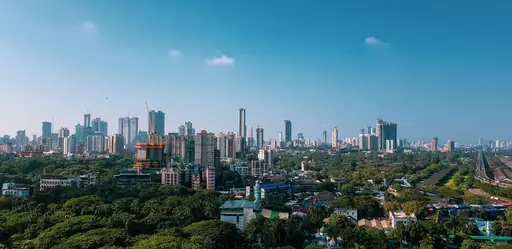
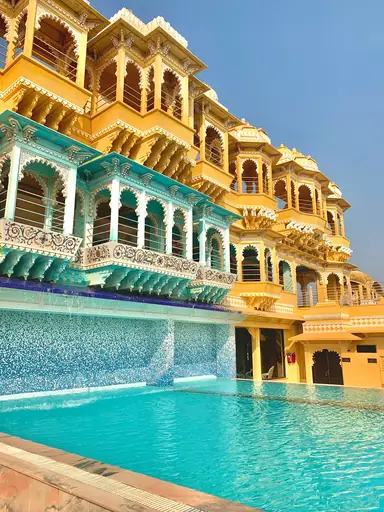
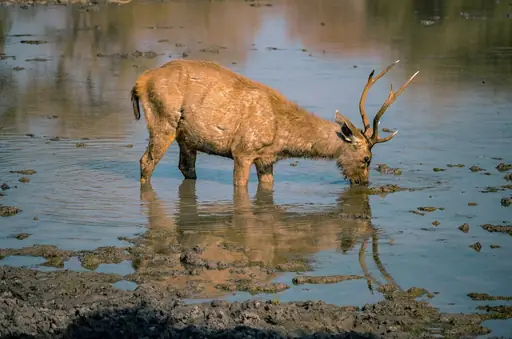
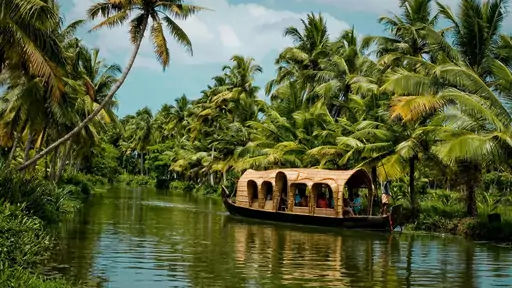
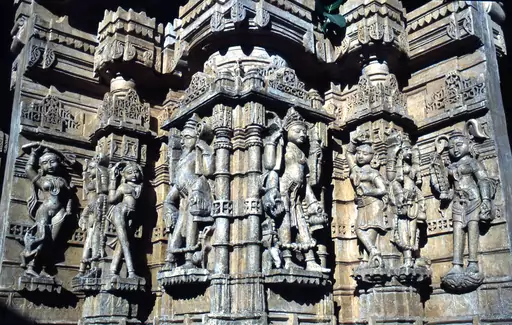
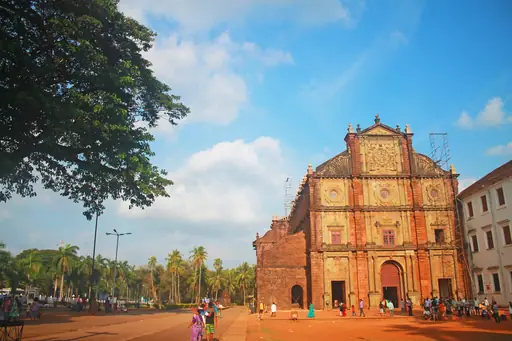
Rishabh Tatiraju, CC BY-SA 3.0, via Wikimedia Commons
Asia › India › Pune › Climate

Pune climate data

Pune features a tropical wet and dry climate with three distinct seasons: hot summers, a lush monsoon, and mild winters. Thanks to its elevation, the city enjoys cooler nights year-round. While summer days can be scorching, winters are pleasant and the monsoon brings refreshing greenery, making Pune a diverse destination for all types of travellers.

Best times to travel

The best times to travel section shows how the months compare for a visit, so you can find the time of year that fits what you want to do.

Background colours of the months:
The colour shows the typical temperature: yellow (hot), green (mild) and blue (cold). How strong the colour is shows the travel season: full colour means high season, soft colour means shoulder season and soft-striped means off season.

Weather symbols:
Each month has one symbol showing what the weather is typically like, such as hot and sunny, freezing or a rainy or snowy season. Use them to quickly spot months that match the weather you want, or to avoid the ones that don't.

Crowdedness:
The people icon shows how busy the place usually is. The more people, the more crowded it gets.

Additional notes:
The grey info boxes point out special things worth knowing, like recurring weather issues or seasonal events.

for Pune, India
🔥
Jan
🔥
Feb
🔥
Mar
🔥
Apr
🔥
May
🔥
Jun
🌦️
Jul
☁️
Aug
🔥
Sep
🔥
Oct
🔥
Nov
🔥
Dec
High season: Jan. - Feb., Nov. - Dec.
Shoulder season: March, July - Oct.
Crowdedness: 8 (Very crowded)
Tap on a month for more info Hover over a month for more info
Monsoon runs June to September, heaviest in July and August
Ganesh Chaturthi (Ganeshotsav) late August to September: huge processions, road closures and crowds across the city
April and May regularly exceed 38°C, so plan sightseeing for early morning

The climate of Pune

Pune’s climate is shaped by its location on the Deccan Plateau and proximity to the Western Ghats. The city experiences three main seasons: summer (March to early June), monsoon (June to October), and winter (November to February). Summers are hot and dry, with daytime highs often reaching 37–40°C, and occasional heatwaves pushing temperatures above 42°C. Despite the heat, Pune’s altitude ensures cooler nights, with lows around 17–23°C. Dusty winds are common in May, and humidity is moderate until the arrival of the monsoon.

The monsoon season starts in June, bringing moderate to heavy rainfall and a dramatic transformation of the landscape. July is the wettest month, with up to 26 rainy days and temperatures ranging from 21–26°C. Rainfall is heaviest from June to September, with annual totals around 700–750 mm. The city rarely experiences cyclones directly, as the Western Ghats offer some protection. Winters are mild and dry, with daytime highs of 28–32°C and nighttime lows dropping to 12–15°C. December and January are the coolest months, with crisp mornings and pleasant afternoons. Sunshine is abundant outside the monsoon, with 8–10 hours per day, and wind speeds are generally light, averaging 8–14 km/h.

Average climate data for Pune, India
Month Jan Feb Mar Apr May Jun Jul Aug Sep Oct Nov Dec Year
Average maximum temperature (°C) 30 33 36 38 37 32 28 27 29 32 31 30 38
Average minimum temperature (°C) 11 13 17 21 23 23 22 21 21 19 15 12 11
Average precipitation (mm) 0 0 5 16 41 117 189 121 120 78 30 5 722
Average rainfall days (days) 0 0 1 1 3 8 13 11 7 5 2 1 51
Average relative humidity (%) 56 47 36 37 49 71 79 83 79 64 58 59 60
Average daily daylight hours (h) 11 11 12 12 13 13 13 12 12 11 11 11 12
Average daily sunshine hours (h) 9 10 9 10 10 6 3 3 5 8 9 9 8

Travel info

  • Spring (March–May): Hot and dry, with highs from 33°C to 37°C. Nights are cooler. Outdoor activities are best in the early morning or evening. Hydration and sun protection are essential.
  • Monsoon (June–October): Moderate to heavy rain, especially in July and August. Temperatures drop to 21–28°C. Lush landscapes and cooler weather, but frequent showers – carry an umbrella and waterproof shoes.
  • Autumn (October): Rain tapers off, with pleasant temperatures (28°C) and occasional showers. Good for outdoor sightseeing and festivals.
  • Winter (November–February): Mild and dry, with highs of 28–32°C and cool nights (12–15°C). Ideal for sightseeing, trekking, and cultural events. Light layers are recommended for chilly mornings.
  • General Tips: Pune weather changes quickly – pack layers, sunblock, and a hat. During the monsoon, bring waterproof gear. Summer afternoons can be very hot, so plan indoor activities or rest during peak heat.

The best time to visit Pune

The best time to visit Pune is from November to February, when the weather is mild, dry, and comfortable for sightseeing, trekking, and outdoor events. Daytime temperatures are pleasant (28–32°C), nights are cool, and humidity is low. The city’s parks and gardens are lush, and cultural festivals add to the vibrant atmosphere.

The worst time to visit Pune

The least favourable time to visit Pune is from late April to early June, when summer temperatures can soar above 40°C and dusty winds are common. Outdoor activities can be uncomfortable due to the heat. The peak monsoon months (July and August) can also disrupt travel plans with frequent heavy rain and occasional flooding.

Frequently asked questions

What are the main seasons in Pune?

Pune has three main seasons: a hot, dry summer (March–early June), a monsoon season (June–October) with heavy rain, and a mild, dry winter (November–February). Each season offers a different travel experience.

When is Pune the hottest?

The hottest months are April and May, when daytime temperatures can exceed 40°C. Nights remain cooler due to the city’s elevation, but outdoor activities are best avoided during peak afternoon heat.

How much rain does Pune get during the monsoon?

Pune receives most of its annual rainfall—about 700–750 mm—during the monsoon (June–September). July is the wettest month, with up to 26 rainy days. Rain typically falls in heavy bursts, followed by clear intervals.

Is winter a good time to visit Pune?

Yes, winter (November–February) is the best time for travel. Temperatures are mild (28–32°C by day, 12–15°C at night), humidity is low, and the weather is ideal for sightseeing, festivals, and outdoor activities.

Does Pune experience cyclones or snow?

Pune is rarely affected by cyclones, as the Western Ghats provide protection. Snow is extremely rare due to the city’s tropical climate—winters are mild and dry, with no risk of freezing.

What should I pack for Pune’s weather?

Pack light, breathable clothes for summer, layers for cool winter mornings, and waterproof gear for the monsoon. Sunblock, a hat, and comfortable walking shoes are useful year-round.

How much sunshine does Pune get?

Pune enjoys abundant sunshine outside the monsoon, with 8–10 hours per day. The sunniest months are January to May, while July and August are cloudier due to frequent rain.

Minimum and maximum temperatures in Pune

The warmest month, with the highest average maximum temperature, is April (38 °C). The month with the lowest average maximum temperature is August (27.4 °C). Overall, the average maximum temperature over the whole year is 32 °C.

The month with the highest average minimum temperature is June (23 °C). The coldest month, with the lowest average minimum temperature, is January (11.4 °C). Overall, the average minimum temperature over the whole year is 18 °C.

Rainfall amount in Pune

The wettest month, with the highest amount of precipitation, is July (189 mm). The driest month, with the least amount of precipitation, is January (0 mm). Over the whole year there are 721.7 mm of rainfall on average.

Rainfall days in Pune

The month with the most days of rain is July (12.9 days). The month with the fewest days of rain is January (0.1 days). Over the whole year there are 50.7 days of rain on average.

Relative humidity in Pune

The month with the highest average relative humidity is August (83.2 %). The month with the lowest average relative humidity is March (36.5 %). The overall average relative humidity over the whole year is 59.9 %.

Daylight hours and sunshine hours in Pune

The months with the longest days, so the most daylight, are June and July (Average daylight: 13 h). The month with the shortest days, so the least daylight, is December (Average daylight: 11 h). Over the whole year there are 11.9 h of daylight per day on average.

The month with the most sunshine per day is May (Average sunshine: 10 h). The month with the least sunshine per day is August (Average sunshine: 2.9 h). Over the whole year there are 7.6 h of sunlight per day on average.

Was this page helpful?
Feedback