Asia › China › Qingdao › Climate

Qingdao climate data

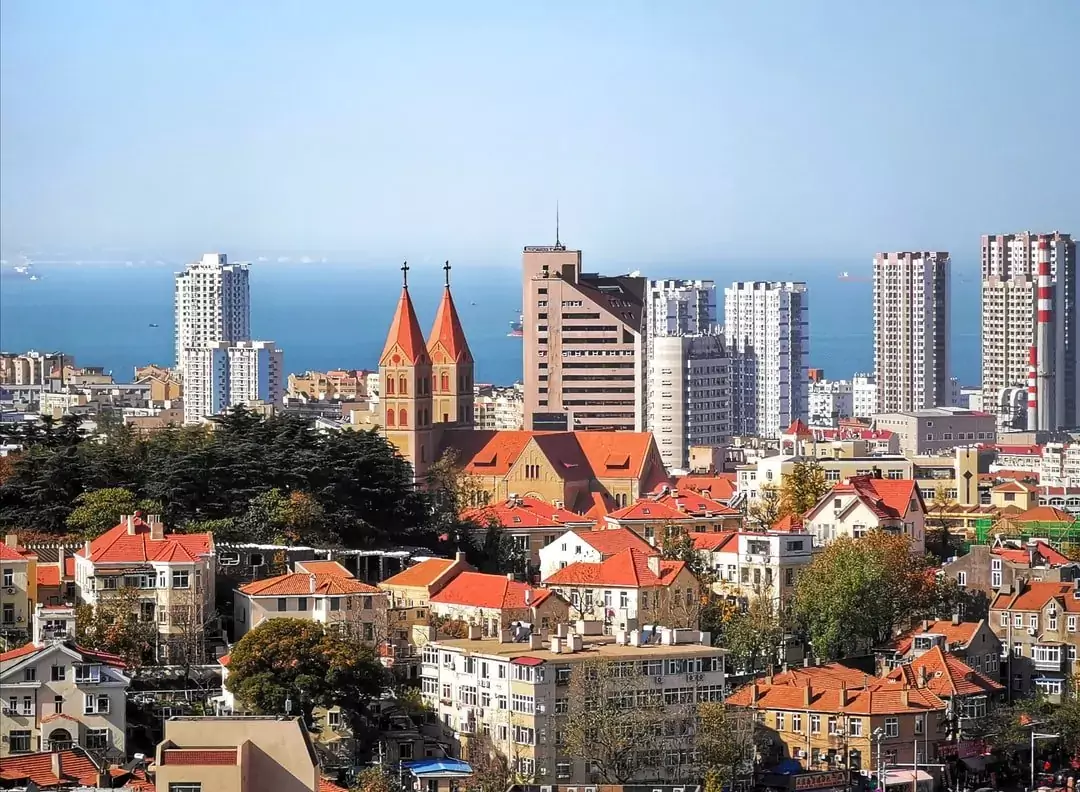
Qingdao, a coastal city on China’s Shandong Peninsula, enjoys a temperate monsoon climate with four distinct seasons. Winters are cold, dry, and breezy, while summers are warm, humid, and rainy. Thanks to its maritime influence, Qingdao rarely experiences temperature extremes, making it a popular destination for beachgoers, seafood lovers, and festival visitors throughout much of the year.

Best times to travel

The best times to travel section shows how the months compare for a visit, so you can find the time of year that fits what you want to do.

Background colours of the months:
The colour shows the typical temperature: yellow (hot), green (mild) and blue (cold). How strong the colour is shows the travel season: full colour means high season, soft colour means shoulder season and soft-striped means off season.

Weather symbols:
Each month has one symbol showing what the weather is typically like, such as hot and sunny, freezing or a rainy or snowy season. Use them to quickly spot months that match the weather you want, or to avoid the ones that don't.

Crowdedness:
The people icon shows how busy the place usually is. The more people, the more crowded it gets.

Additional notes:
The grey info boxes point out special things worth knowing, like recurring weather issues or seasonal events.

for Qingdao, China
❄️
Jan
❄️
Feb
☀️
Mar
🌤️
Apr
🌤️
May
🌤️
Jun
🌦️
Jul
🌦️
Aug
☀️
Sep
☀️
Oct
☀️
Nov
☀️
Dec
High season: May, July - Oct.
Shoulder season: April, June
Crowdedness: 8 (Very crowded)
Tap on a month for more info Hover over a month for more info
Qingdao International Beer Festival, late July to August: beer halls and concerts, hotels book up
Chinese national holidays (Golden Week, 1 to 7 October): beaches, Laoshan and the old town are extremely crowded
Swimming season June to September: seaweed (green algae) can wash up on beaches in June and July

The climate of Qingdao

Qingdao’s climate is shaped by its coastal location and the East Asian monsoon, resulting in mild springs, hot and humid summers, crisp autumns, and cold, dry winters. Winters (December to February) are chilly and breezy, with average highs around 3–6°C and lows dipping to -3°C or lower. Snow is infrequent but possible, and rainfall is minimal, with just 10–20 mm per month. Northerly winds can bring cold snaps, occasionally dropping temperatures below -10°C, but sunny days are common.

Spring (March to May) is cool to mild, with temperatures rising from 9°C in March to 20°C in May. Rainfall increases gradually, and fog or drizzle is common, especially in April and May. Summer (June to August) is warm, humid, and the rainiest season, with highs of 24–29°C and lows of 19–23°C. July and August are the wettest months, each receiving 140–170 mm of rain, often in heavy downpours or thunderstorms. Despite the humidity, extreme heat is rare due to the moderating effect of the sea. Autumn (September to November) is considered the best season, with mild temperatures (13–25°C), less rain, and clear skies. Qingdao enjoys about 2,500 hours of sunshine annually, with the sunniest months in late spring and autumn. Winds are moderate year-round, and the sea is warmest in August, reaching 24–26°C, ideal for swimming and water sports.

Average climate data for Qingdao, China
Month Jan Feb Mar Apr May Jun Jul Aug Sep Oct Nov Dec Year
Average maximum temperature (°C) 3 5 9 15 20 24 27 28 25 20 12 6 28
Average minimum temperature (°C) -3 -2 2 8 13 18 22 23 19 13 6 -1 -3
Average precipitation (mm) 11 12 21 35 54 83 140 151 63 48 28 12 658
Average rainfall days (days) 3 4 5 7 8 9 13 10 7 6 5 3 78
Average water temperature (°C) 6 4 5 9 14 20 24 26 24 20 16 10 15
Average daily daylight hours (h) 10 10 12 13 14 14 14 13 12 11 10 9 12
Average daily sunshine hours (h) 6 6 7 7 7 7 5 7 7 7 6 5 6
Average UV index 2 3 5 7 9 9 10 9 7 5 3 2 6

Travel info

  • Spring (March–May): Cool to mild, with highs from 9–20°C. Fog and drizzle are common, especially in April and May. Great for flower viewing and city walks. Bring a jacket and umbrella.
  • Summer (June–August): Warm, humid, and rainy, with highs of 24–29°C. Ideal for beaches, sailing, and the Beer Festival. Expect heavy showers and pack lightweight clothes, rain gear, and sun protection.
  • Autumn (September–November): Mild and clear, with highs from 13–25°C. The best season for sightseeing, hiking, and seafood. Bring layers for cooler evenings and enjoy vibrant cityscapes.
  • Winter (December–February): Cold and dry, with highs of 3–6°C and lows near -3°C. Occasional snow, brisk winds, and sunny days. Dress warmly and prepare for chilly sea breezes.
  • General tips: Weather can change quickly, especially in spring and autumn. The sea breeze is refreshing but can feel chilly outside summer. Book summer accommodation early due to festivals and crowds.

The best time to visit Qingdao

The best time to visit Qingdao is from late April to early October, especially in late spring and autumn, when the weather is mild, skies are clear, and rainfall is moderate. Summer is perfect for beach activities and festivals, with warm sea temperatures and lively events, though it can be humid and rainy at times.

The worst time to visit Qingdao

The least favourable time to visit Qingdao is during winter (December to February), when temperatures are cold, winds are brisk, and outdoor activities are limited. While the city is quieter and less crowded, beach activities are not possible, and the sea is too cold for swimming.

Frequently asked questions

What is the climate like in Qingdao year-round?

Qingdao has a temperate monsoon climate with four seasons. Winters are cold and dry, summers are warm, humid, and rainy, and spring and autumn are mild. The city rarely experiences temperature extremes due to its coastal location.

When is the best time to visit Qingdao?

The best time to visit is from late April to early October, especially in late spring and autumn, when temperatures are mild, rainfall is moderate, and the city is lively with festivals and outdoor activities.

Does it snow in Qingdao?

Snowfall in Qingdao is rare and usually light, occurring mainly in winter. Most precipitation falls as rain, especially during the summer monsoon, but occasional snow flurries can dust the city in colder months.

How much does it rain in Qingdao?

Qingdao receives about 660–780 mm of precipitation annually, with most rain falling from June to August. July and August are the wettest months, while winter is much drier with minimal rainfall.

How hot does it get in Qingdao during summer?

Summer temperatures in Qingdao typically reach 24–29°C, with high humidity. Extreme heat is rare due to the moderating effect of the sea, but brief heatwaves can push temperatures above 30°C.

What should I pack for a trip to Qingdao?

In summer, bring lightweight clothes, rain gear, and sun protection. For spring and autumn, pack layers and a jacket for cool evenings. In winter, warm clothing and a windproof coat are essential.

Is Qingdao suitable for beach activities?

Yes, Qingdao’s beaches are most popular from June to September, when sea temperatures reach 24–26°C. This period is ideal for swimming, sailing, and sunbathing, though occasional rain showers are likely.

Minimum and maximum temperatures in Qingdao

The warmest month, with the highest average maximum temperature, is August (28.3 °C). The month with the lowest average maximum temperature is January (2.7 °C). Overall, the average maximum temperature over the whole year is 16.2 °C.

The month with the highest average minimum temperature is August (22.9 °C). The coldest month, with the lowest average minimum temperature, is January (-3.2 °C). Overall, the average minimum temperature over the whole year is 9.9 °C.

Water temperature in Qingdao

The month with the highest average water temperature is August (25.5 °C). The month with the lowest average water temperature is February (4.4 °C). Overall, the average water temperature over the whole year is 14.9 °C.

Rainfall amount in Qingdao

The wettest month, with the highest amount of precipitation, is August (150.6 mm). The driest month, with the least amount of precipitation, is January (11.5 mm). Over the whole year there are 657.9 mm of rainfall on average.

Rainfall days in Qingdao

The month with the most days of rain is July (12.5 days). The month with the fewest days of rain is January (3 days). Over the whole year there are 78.5 days of rain on average.

Daylight hours and sunshine hours in Qingdao

The month with the longest days, so the most daylight, is June (Average daylight: 14.1 h). The month with the shortest days, so the least daylight, is December (Average daylight: 9.1 h). Over the whole year there are 11.9 h of daylight per day on average.

The month with the most sunshine per day is September (Average sunshine: 7.1 h). The month with the least sunshine per day is July (Average sunshine: 5 h). Over the whole year there are 6.5 h of sunlight per day on average.

UV index in Qingdao

The month with the highest average UV index is July (UV index: 10). The months with the lowest average UV index are January and December (UV index: 2). Over the whole year the average UV index is 5.9.

Was this page helpful?
Feedback