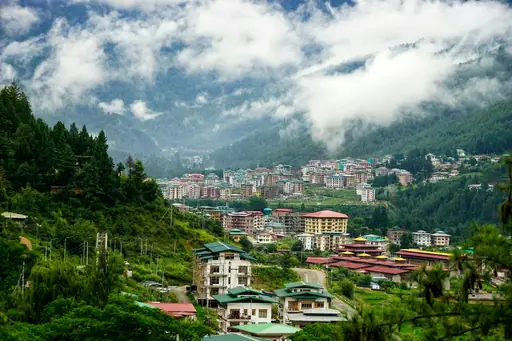
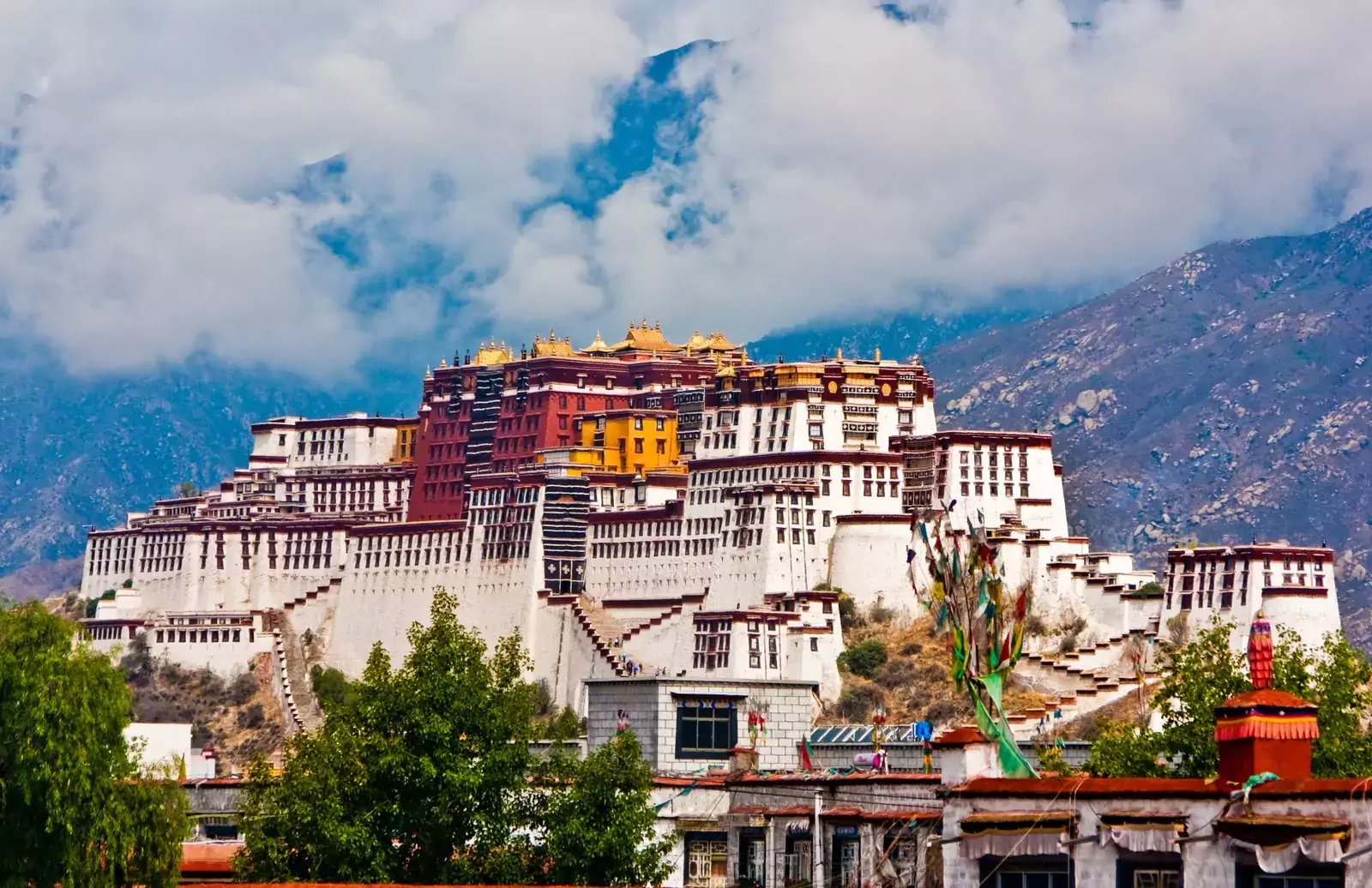
Antoine Taveneaux, CC BY-SA 3.0, via Wikimedia Commons
Asia › China › Lhasa › Climate

Lhasa climate data

Lhasa, at the heart of Tibet, features a high-altitude semi-arid climate with mild, sunny summers and cold, dry winters. The city experiences dramatic temperature swings between day and night, low annual rainfall, and over 3,000 hours of sunshine each year. With clear skies and unique seasonal contrasts, Lhasa is a captivating destination for culture and adventure year-round.

Best times to travel

The best times to travel section shows how the months compare for a visit, so you can find the time of year that fits what you want to do.

Background colours of the months:
The colour shows the typical temperature: yellow (hot), green (mild) and blue (cold). How strong the colour is shows the travel season: full colour means high season, soft colour means shoulder season and soft-striped means off season.

Weather symbols:
Each month has one symbol showing what the weather is typically like, such as hot and sunny, freezing or a rainy or snowy season. Use them to quickly spot months that match the weather you want, or to avoid the ones that don't.

Crowdedness:
The people icon shows how busy the place usually is. The more people, the more crowded it gets.

Additional notes:
The grey info boxes point out special things worth knowing, like recurring weather issues or seasonal events.

for Lhasa, China
☀️
Jan
☀️
Feb
☀️
Mar
☀️
Apr
☀️
May
☀️
Jun
🌦️
Jul
🌦️
Aug
☀️
Sep
☀️
Oct
☀️
Nov
☀️
Dec
High season: May - Oct.
Shoulder season: April, Nov.
Crowdedness: 9 (Very crowded)
Tap on a month for more info Hover over a month for more info
Foreign visitors need a Tibet Travel Permit and a guided tour; entry is often closed to foreigners around March
Potala Palace has capped daily entry; tickets sell out in summer and during Golden Week, book well ahead
Chinese Golden Week, October 1 to 7: Lhasa is very crowded and prices peak

The climate of Lhasa

Lhasa’s climate is shaped by its elevation at 3,650 metres, resulting in four distinct seasons and significant daily temperature variation. Summers (June–August) are mild and comfortable, with average highs of 22–24°C and lows of 10–12°C. July and August are the warmest and wettest months, yet even then, rainfall is moderate (120–135 mm/month) and usually falls at night, leaving days mostly sunny. The sun is intense due to the thin atmosphere, and the UV index is very high, so sun protection is essential. Even at the height of summer, nights remain cool, and daytime temperatures rarely exceed 29°C.

Winters (December–February) are cold and extremely dry, with average highs of 7–9°C and lows of -8 to -6°C. Despite the chill, days are often sunny and pleasant, with minimal rainfall (less than 1 mm/month) and humidity as low as 15–20%. Snow is rare and melts quickly. Spring (March–May) and autumn (September–November) are transitional, with mild to cool temperatures (10–20°C in May/September), rapidly changing weather, and clear blue skies. Annual precipitation is low, averaging 400–460 mm, and the city enjoys over 3,000 hours of sunshine per year. Winds are generally light to moderate (7–12 km/h), but can be brisk in winter and early spring. The large difference between day and night temperatures means layered clothing is always recommended.

Average climate data for Lhasa, China
Month Jan Feb Mar Apr May Jun Jul Aug Sep Oct Nov Dec Year
Average maximum temperature (°C) 7 9 13 16 20 23 23 21 20 17 12 8 23
Average minimum temperature (°C) -9 -6 -2 2 6 10 10 10 8 2 -4 -8 -9
Average precipitation (mm) 1 1 3 6 28 71 116 122 67 9 1 1 427
Average rainfall days (days) 1 1 2 4 10 14 19 20 15 5 1 1 92
Average relative humidity (%) 27 26 27 38 45 52 62 65 65 49 37 33 44
Average daily daylight hours (h) 10 11 12 12 13 14 13 13 12 11 10 10 12
Average daily sunshine hours (h) 8 8 7 8 8 8 7 7 7 9 8 8 8
Average UV index 5 7 10 12 12 12 12 12 12 9 6 5 10

Travel info

  • Spring (March–May): Cool to mild, with highs from 11–20°C. Dry, sunny days and chilly nights. Ideal for sightseeing and trekking – bring layers and sun protection.
  • Summer (June–August): Mild and wet, with highs of 22–24°C. Most rain falls at night; days remain mostly sunny. Perfect for festivals and outdoor activities – pack sunblock, light clothing, and a rain jacket for evenings.
  • Autumn (September–November): Pleasant in September (up to 21°C), cooling to 11°C by November. Clear skies and minimal rain. Great for photography and fewer crowds – bring layers for cool nights.
  • Winter (December–February): Cold and very dry, with highs of 7–9°C and lows of -8 to -6°C. Sunny days, rare snow, and brisk winds. Dress warmly and bring moisturiser. Enjoy peaceful monasteries and bright blue skies.
  • General tips: Weather changes quickly – dress in layers year-round. The sun is intense at high altitude – use strong sun cream and sunglasses. Nights are cold even in summer. Rainy season (June–September) mostly brings night rain, so daytime sightseeing is rarely affected. Altitude may affect some visitors – plan to acclimatise.

The best time to visit Lhasa

The best time to visit Lhasa is from May to October, especially in late spring and early autumn, when temperatures are mild (15–24°C), skies are clear, and rainfall is minimal. These months offer ideal conditions for sightseeing, trekking, and enjoying the city’s vibrant culture, with comfortable weather and stunning mountain views.

The worst time to visit Lhasa

The least favourable time to visit Lhasa is from late November to early March, when temperatures are coldest, nights can drop below -8°C, and the air is extremely dry. While days are sunny, the harsh cold and risk of altitude-related discomfort may limit some outdoor activities, though the city remains tranquil and atmospheric.

Frequently asked questions

What is the climate like in Lhasa year-round?

Lhasa has a high-altitude semi-arid climate with mild, sunny summers and cold, dry winters. Rainfall is low, and the city enjoys over 3,000 hours of sunshine annually, with large temperature swings between day and night.

When is the best time to visit Lhasa?

The best time to visit Lhasa is from May to October, when temperatures are mild, skies are clear, and rainfall is minimal. Spring and autumn offer the most comfortable weather for sightseeing and trekking.

Does it rain a lot in Lhasa?

No, Lhasa receives low annual rainfall (400–460 mm), with most rain falling at night during the summer monsoon (June–September). Days remain mostly sunny, even in the wettest months.

How cold does it get in Lhasa during winter?

Winter highs in Lhasa are 7–9°C, but nights can drop to -8°C or lower. Despite the cold, days are sunny and dry, and snow is rare. Layered clothing is essential for warmth.

Is the sun strong in Lhasa?

Yes, the sun is very strong due to the high altitude and thin atmosphere. Lhasa enjoys over 3,000 hours of sunshine per year. Sun cream, sunglasses, and hats are highly recommended year-round.

What should I pack for a trip to Lhasa?

Pack layers for large day-night temperature swings, sun protection, moisturiser for dry air, and a rain jacket for summer evenings. Even in summer, nights can be cold, so warm clothing is always needed.

Does Lhasa get snow?

Snow is rare in Lhasa and usually melts quickly due to strong sunlight. Most winter precipitation falls as light rain or snow, but the city remains dry and sunny for most of the season.

Minimum and maximum temperatures in Lhasa

The warmest month, with the highest average maximum temperature, is June (23.1 °C). The month with the lowest average maximum temperature is January (7.2 °C). Overall, the average maximum temperature over the whole year is 15.8 °C.

The month with the highest average minimum temperature is July (10.4 °C). The coldest month, with the lowest average minimum temperature, is January (-9.1 °C). Overall, the average minimum temperature over the whole year is 1.4 °C.

Rainfall amount in Lhasa

The wettest month, with the highest amount of precipitation, is August (122 mm). The driest month, with the least amount of precipitation, is January (0.8 mm). Over the whole year there are 426.9 mm of rainfall on average.

Rainfall days in Lhasa

The month with the most days of rain is August (20.1 days). The month with the fewest days of rain is January (0.6 days). Over the whole year there are 92.4 days of rain on average.

Relative humidity in Lhasa

The month with the highest average relative humidity is August (65 %). The month with the lowest average relative humidity is February (26.4 %). The overall average relative humidity over the whole year is 43.9 %.

Daylight hours and sunshine hours in Lhasa

The month with the longest days, so the most daylight, is June (Average daylight: 14 h). The month with the shortest days, so the least daylight, is December (Average daylight: 10 h). Over the whole year there are 11.8 h of daylight per day on average.

The month with the most sunshine per day is October (Average sunshine: 9.1 h). The month with the least sunshine per day is July (Average sunshine: 6.9 h). Over the whole year there are 7.8 h of sunlight per day on average.

UV index in Lhasa

The months with the highest average UV index are April, May, June, July, August and September (UV index: 12). The months with the lowest average UV index are January and December (UV index: 5). Over the whole year the average UV index is 9.5.

Was this page helpful?
Feedback