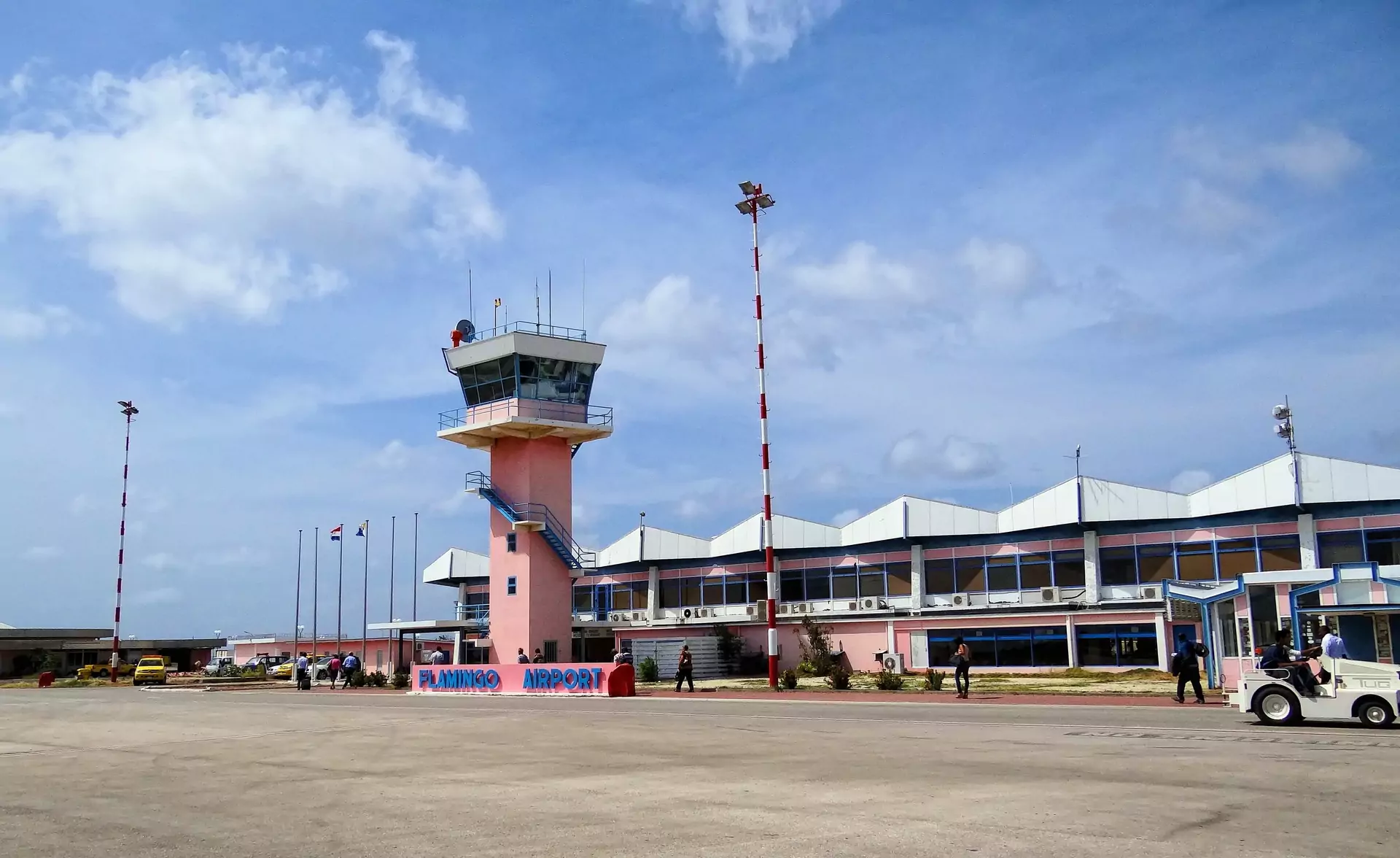
The main gateway to the region is Flamingo International Airport (BON) on Bonaire, located just four miles from the capital, Kralendijk. With a 2,880-meter asphalt runway capable of accommodating wide-body aircraft like the Airbus A330, it serves as a hub for Z Air and a focus city for several regional carriers. Major airlines including KLM, United Airlines, Delta Air Lines and JetBlue offer direct flights from Amsterdam, Atlanta, Houston, Newark and New York, making Bonaire the most internationally accessible of the three islands. The airport features modern facilities such as a renovated terminal, a dedicated cargo area and 24-hour Jet A1 fuel availability, supporting both commercial and general aviation. Historically significant, the airport evolved from a U.S. military airfield built in 1945 and has undergone multiple expansions to meet growing tourism demand, with a master plan guiding ongoing improvements to the apron, taxiways and terminal capacity.
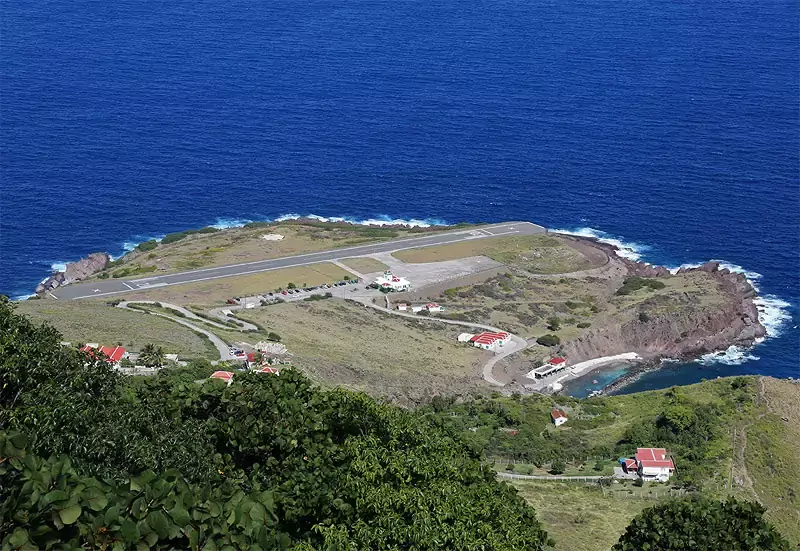
In contrast, Juancho E. Yrausquin Airport (SAB) on Saba holds the distinction of having the world’s shortest commercial runway at just 400 meters, nestled between steep hills and ocean cliffs. This extreme STOL (short takeoff and landing) facility is restricted to propeller aircraft like the de Havilland Canada DHC-6 Twin Otter and Britten-Norman BN-2 Islander, operated exclusively by Winair on 15-minute flights to Sint Maarten. Jet traffic is prohibited and aviation fuel is not available on the island, underscoring its role as a lifeline rather than a commercial hub. The airport, named after Aruban minister Juancho Yrausquin, opened in 1963 and was instrumental in connecting Saba to the outside world. A new fire station was completed in 2023, enhancing emergency response capabilities, while the terminal includes customs, immigration and an advisory-only air traffic service.
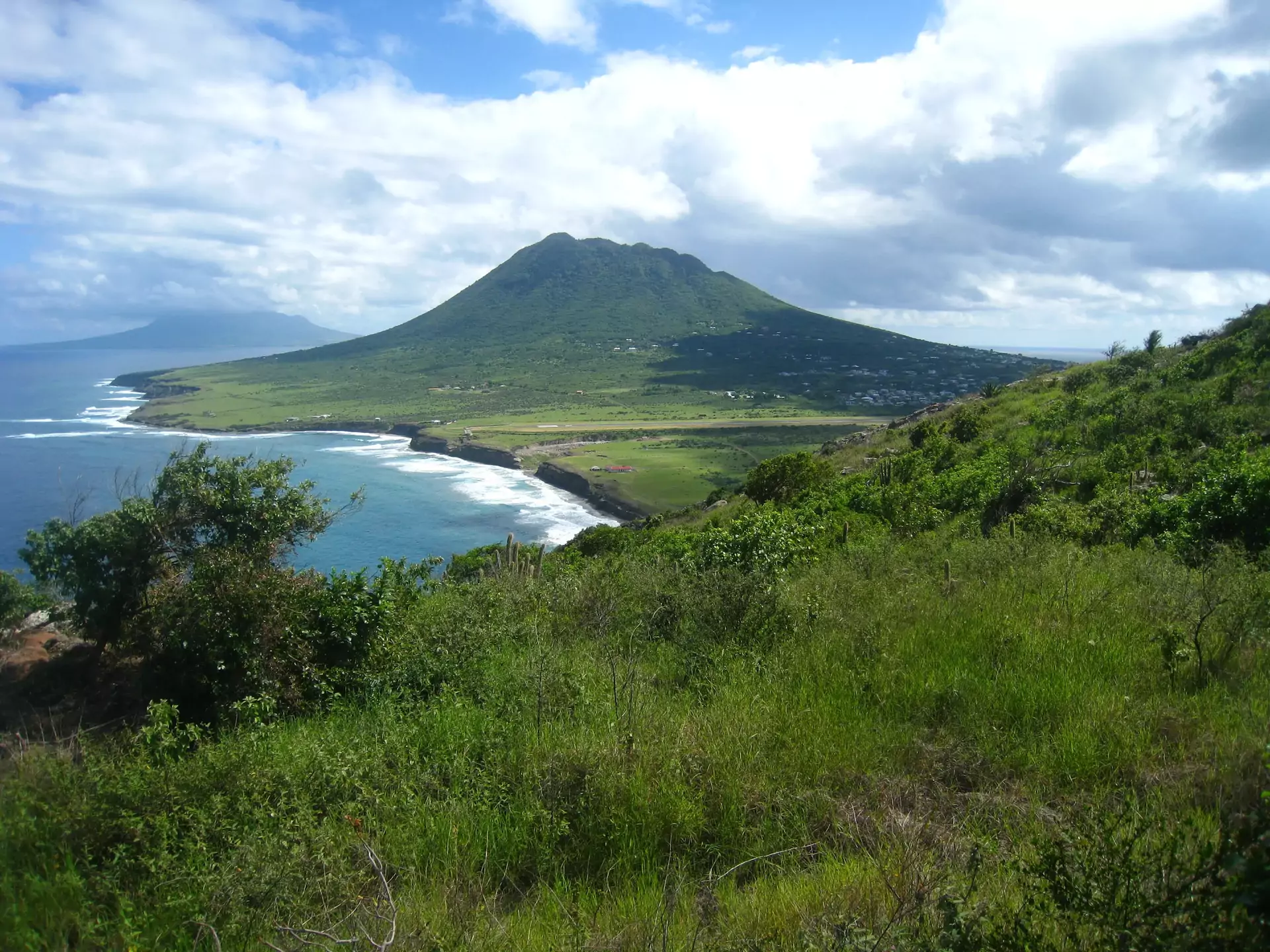
F. D. Roosevelt Airport (EUX) on Sint Eustatius, also known historically as Golden Rock Airport, features a runway capable of handling turboprops and smaller jets, with the ATR 42 being the largest aircraft type currently operating. Located near Oranjestad, the airport supports scheduled services by Winair, Coastal Air, Trans Anguilla Airways and Z Air, linking the island to Saba, Bonaire, Sint Maarten, Anguilla, Nevis, Saint Kitts and Saint Croix. The terminal is modest, with no control tower or jetways and passengers disembark directly onto the apron. Named after President Franklin D. Roosevelt, whose Dutch ancestors once lived on the island, the airport plays a key role in regional connectivity. Future development plans include a 300-meter runway extension to attract larger aircraft and boost tourism, capitalizing on the island’s unspoiled dive sites, the Quill volcano and colonial heritage.