Vilnius International Airport (VNO), located approximately 6 kilometers south of Lithuania’s capital city Vilnius, stands as the country’s largest and busiest airport. It handles around 5 million passengers annually and offers extensive connections to European capitals and key global hubs. Serving as a base for airlines such as airBaltic, Ryanair and Wizz Air, it blends low-cost and legacy carrier offerings. Vilnius Airport features modern facilities including shops, restaurants, lounges and efficient public transport links such as buses and taxis that connect travelers to the city centre quickly. Its strong network, including flights to destinations like London, Frankfurt and Istanbul, makes it a vital gateway into Lithuania.
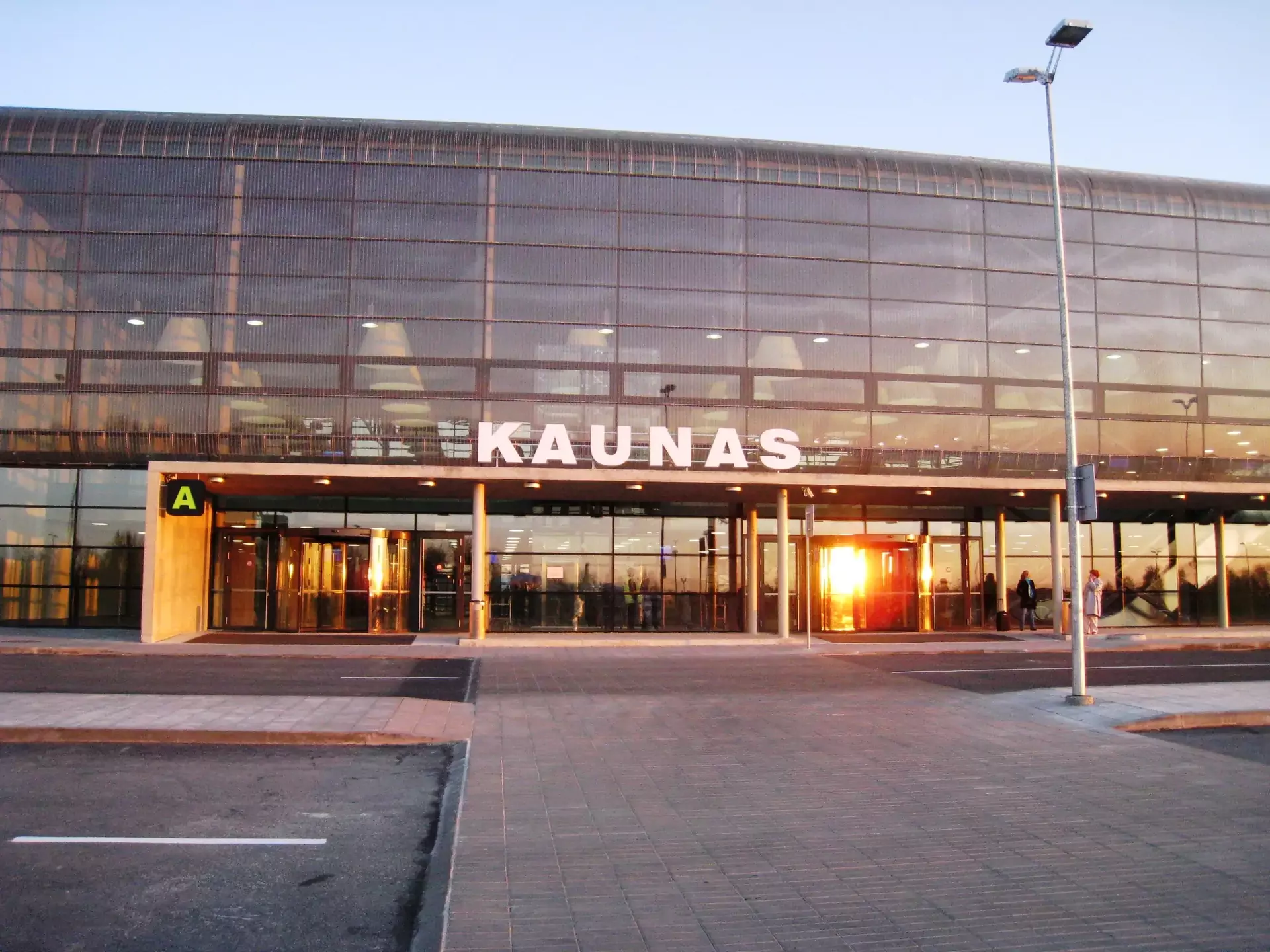
Kaunas Airport (KUN), situated 14 kilometers northeast of the city of Kaunas and about 100 kilometers west of Vilnius, is Lithuania’s second-largest airport. Since its establishment in 1988, it has grown into a popular hub for budget travel, attracting low-cost carriers like Ryanair and Wizz Air, which operate flights to numerous European cities. Kaunas Airport serves travelers from various regions of Lithuania, offering affordable flight options and convenient access to the central part of the country. Facilities include cafes, car rentals and shuttle services, making it a favored choice for budget-conscious travelers and tourists looking to explore Lithuania’s central region.
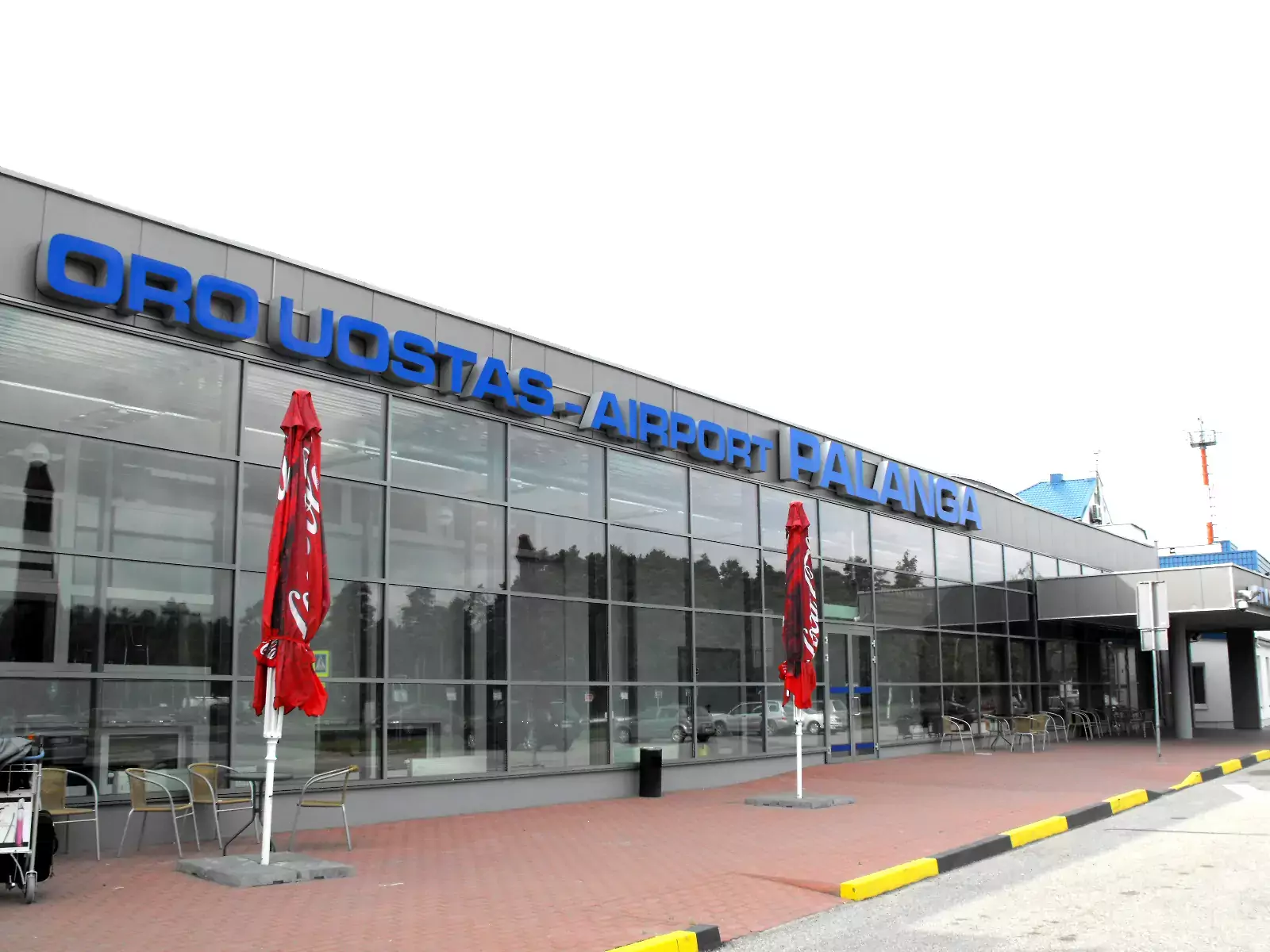
Palanga International Airport (PLQ), located near the Baltic Sea resort town of Palanga in western Lithuania, is the country’s third international airport. It mainly caters to short and medium-haul flights, focusing on connections to popular European destinations. Palanga Airport supports the coastal region’s tourism, serving visitors heading to beach resorts and the nearby port city of Klaipėda. Though smaller than Vilnius and Kaunas airports, it offers essential passenger services like cafes, car rentals and shuttle transport. The airport’s catchment area includes around 570,000 people, reflecting its regional importance.
Lithuania’s aviation scene is characterized by a healthy competition between legacy and low-cost carriers, with Ryanair and Wizz Air commanding significant market shares at all three main airports. The presence of these budget airlines particularly enhances access through Kaunas Airport, commonly regarded as the low-cost airline hub. This setup provides travelers with various price points and route options, from convenient direct flights to major European cities to more affordable, flexible choices.
All three airports are managed by the state-owned Lithuanian Airports company, ensuring consistent quality standards and ongoing infrastructure development. This includes recent renovations and expansions aimed at improving passenger comfort, safety and route capacity. Vilnius remains the premium gateway for business and international travelers, while Kaunas and Palanga excel in serving regional and budget-oriented markets. Together, these airports play a crucial role in boosting Lithuania’s connectivity, tourism and economic growth by linking the country seamlessly to the wider world.