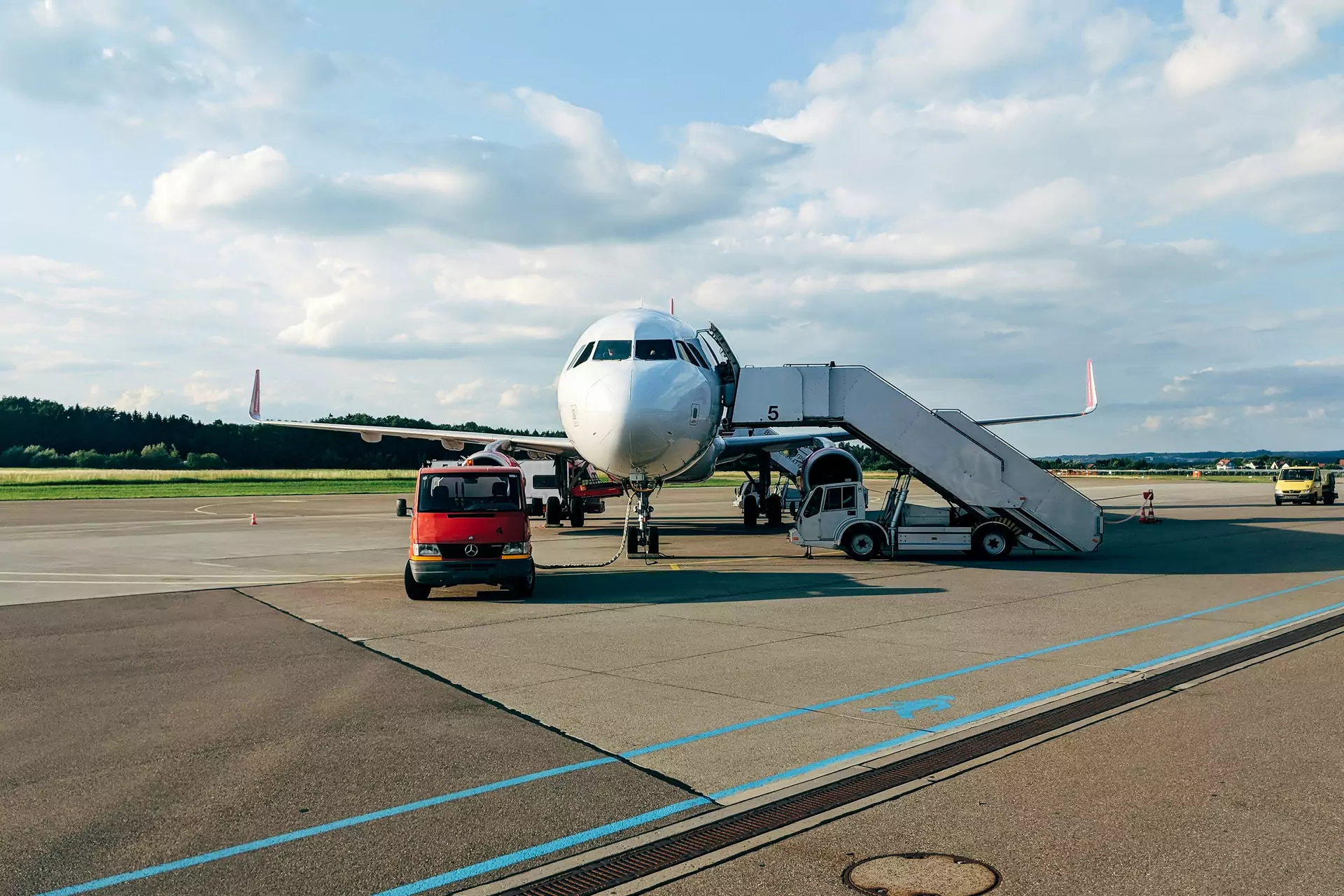
Keflavík International Airport serves as Iceland's undisputed aviation center, with Icelandair maintaining its primary hub here and controlling approximately 54% of the airport's capacity. The airport features two runways measuring roughly 3,050 meters each, accommodating wide-body aircraft for transatlantic operations. Until recently, the low-cost carrier PLAY also operated from Keflavík as a major hub, offering competitive fares to Europe and North America before ceasing operations in September 2025. The airport's strategic location enables efficient connections between continents, with flights to the US, UK, Ireland and Canada departing from D gates on level one, while European flights utilize gates A and C on level two.
Reykjavík Airport handles all domestic operations within Iceland, with Icelandair operating daily flights to major regional centers including Akureyri in the north, Egilsstaðir in the east and Ísafjörður in the west. The airport also serves Vestmannaeyjar and other smaller communities, maintaining essential connectivity for Iceland's distributed population. Due to its shorter runways compared to Keflavík, the facility is limited to smaller aircraft but plays a crucial role in medical evacuations and serves as an alternate landing site during adverse weather conditions at the international airport.
Akureyri Airport in northern Iceland and Egilsstaðir Airport in the east represent the country's regional international gateways, both operated by Isavia. Akureyri Airport offers seasonal international connections to destinations including London, Manchester, Zurich and Amsterdam, while also providing unique access to Grímsey Island on the Arctic Circle. Both regional airports maintain daily connections to Reykjavík and serve as important entry points for tourists seeking to explore Iceland's diverse landscapes. These facilities handle approximately 200,000 passengers annually and provide essential infrastructure for Iceland's tourism industry, offering alternatives to the more congested Keflavík route while supporting regional economic development.