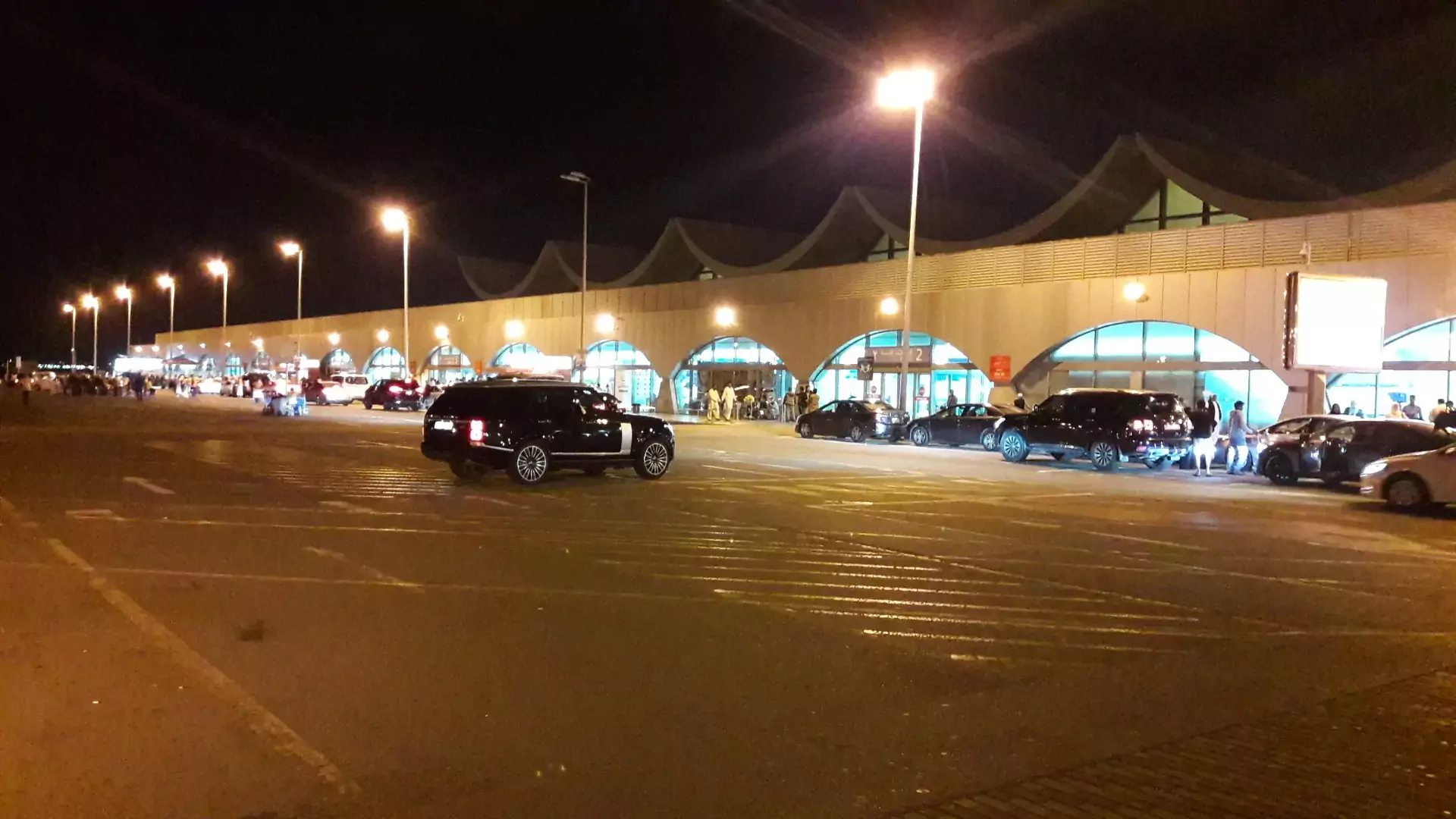
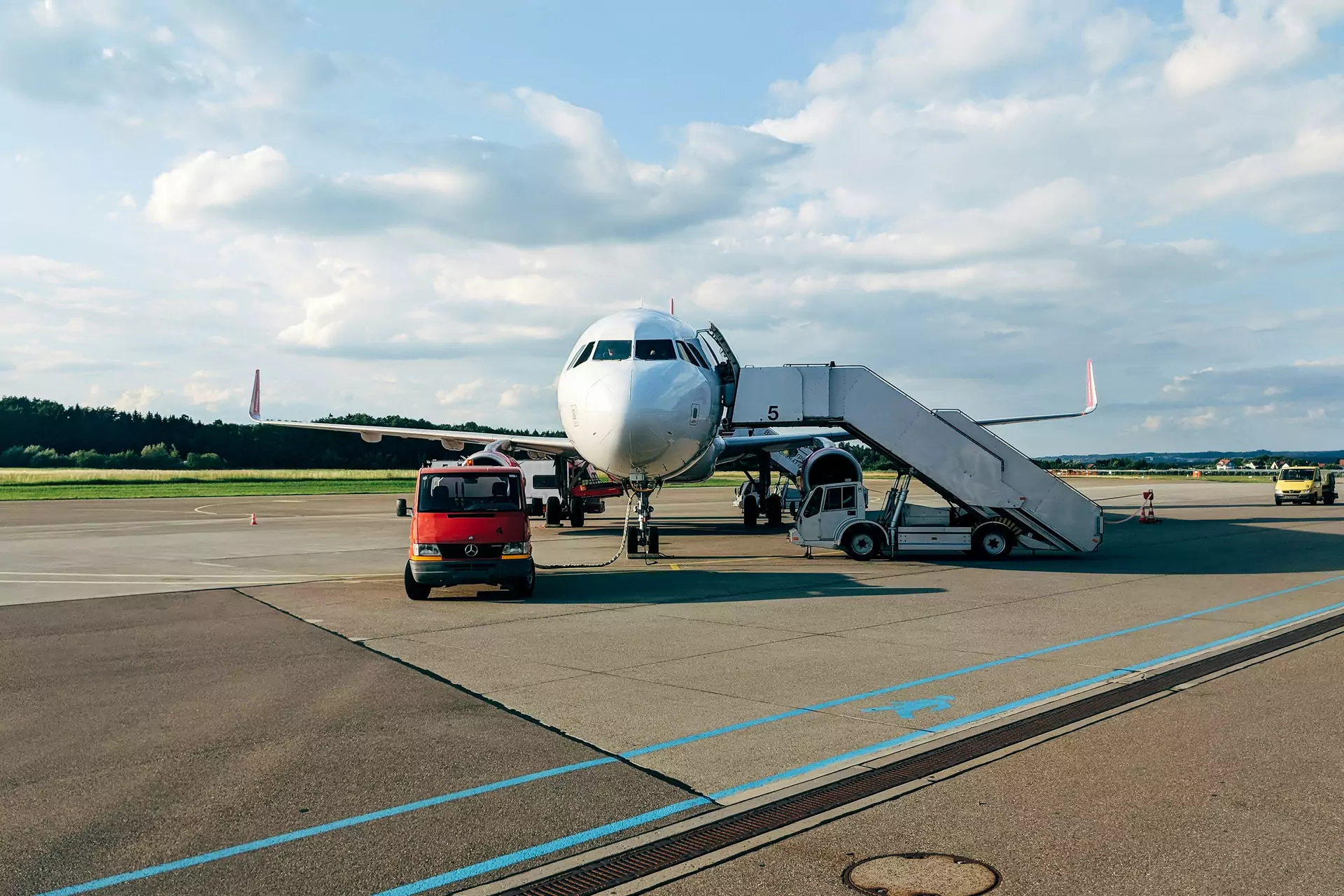
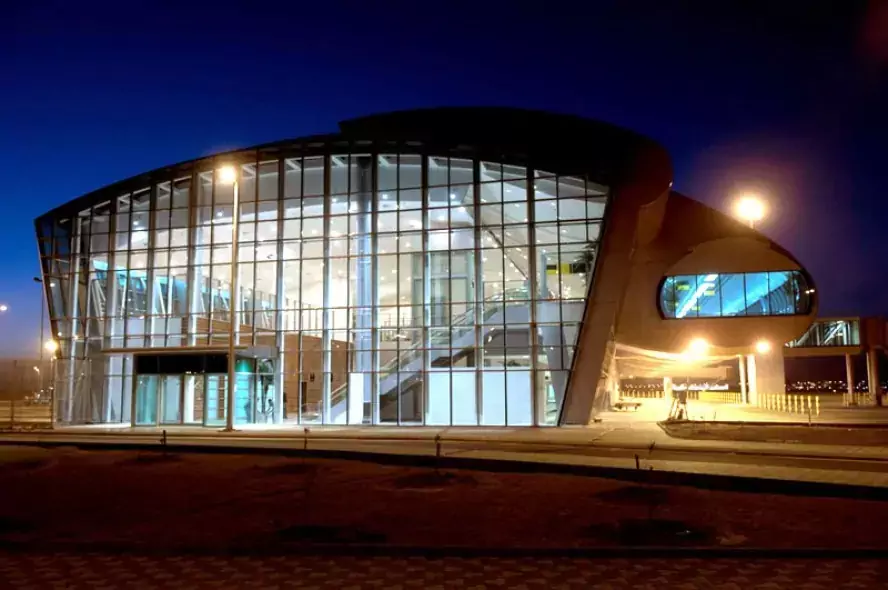
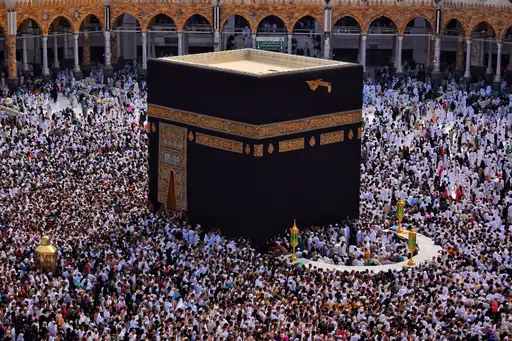
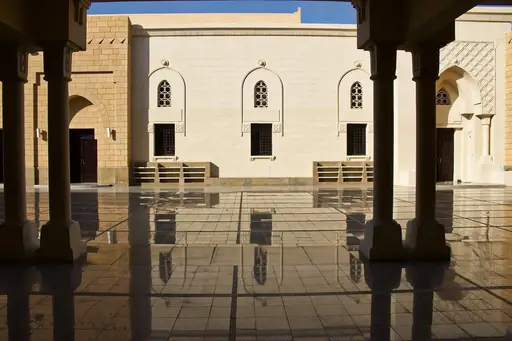
King Abdulaziz International Airport (JED), located near Jeddah on the Red Sea coast, is Saudi Arabia’s busiest airport and a primary hub for religious pilgrimage, notably serving as the main gateway for millions of Hajj and Umrah pilgrims visiting Mecca. It operates extensive international flights and is a hub for Saudia (the national carrier) and Flyadeal, the Saudi low-cost airline. The airport features a dedicated Hajj Terminal for pilgrims, expansive terminals with modern amenities and excellent transport links to Jeddah city and nearby holy sites.
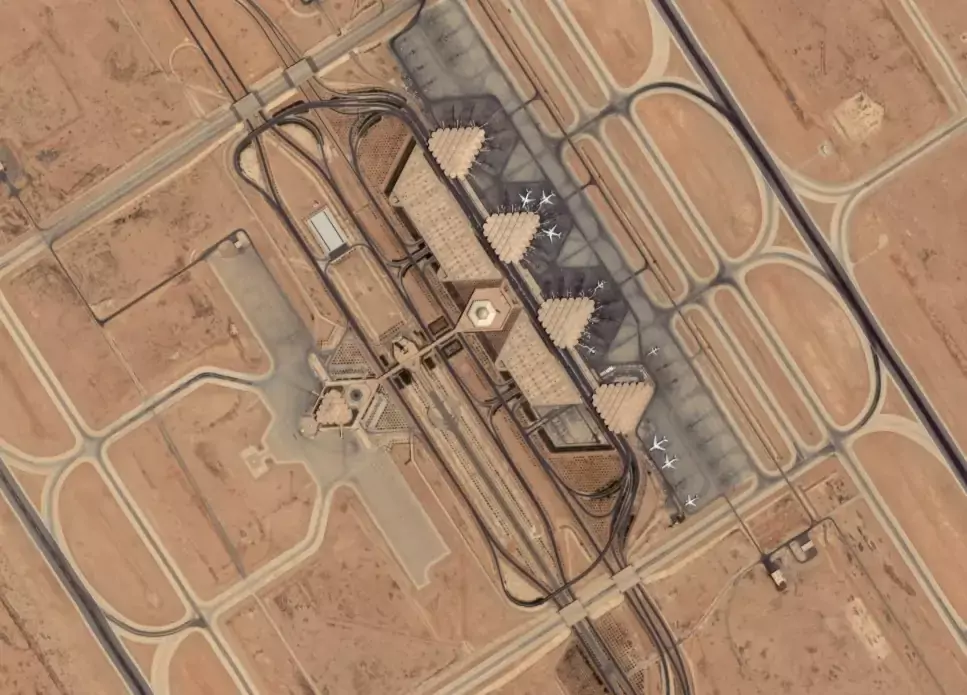
King Khalid International Airport (RUH), situated roughly 35 kilometers north of Riyadh, is the Kingdom’s business and governmental aviation center. It handles large volumes of domestic and international traffic and serves as a major hub for Saudia and Flynas (a prominent Saudi low-cost airline). The airport offers state-of-the-art facilities, multiple passenger terminals and convenient access to Riyadh’s commercial and cultural districts.
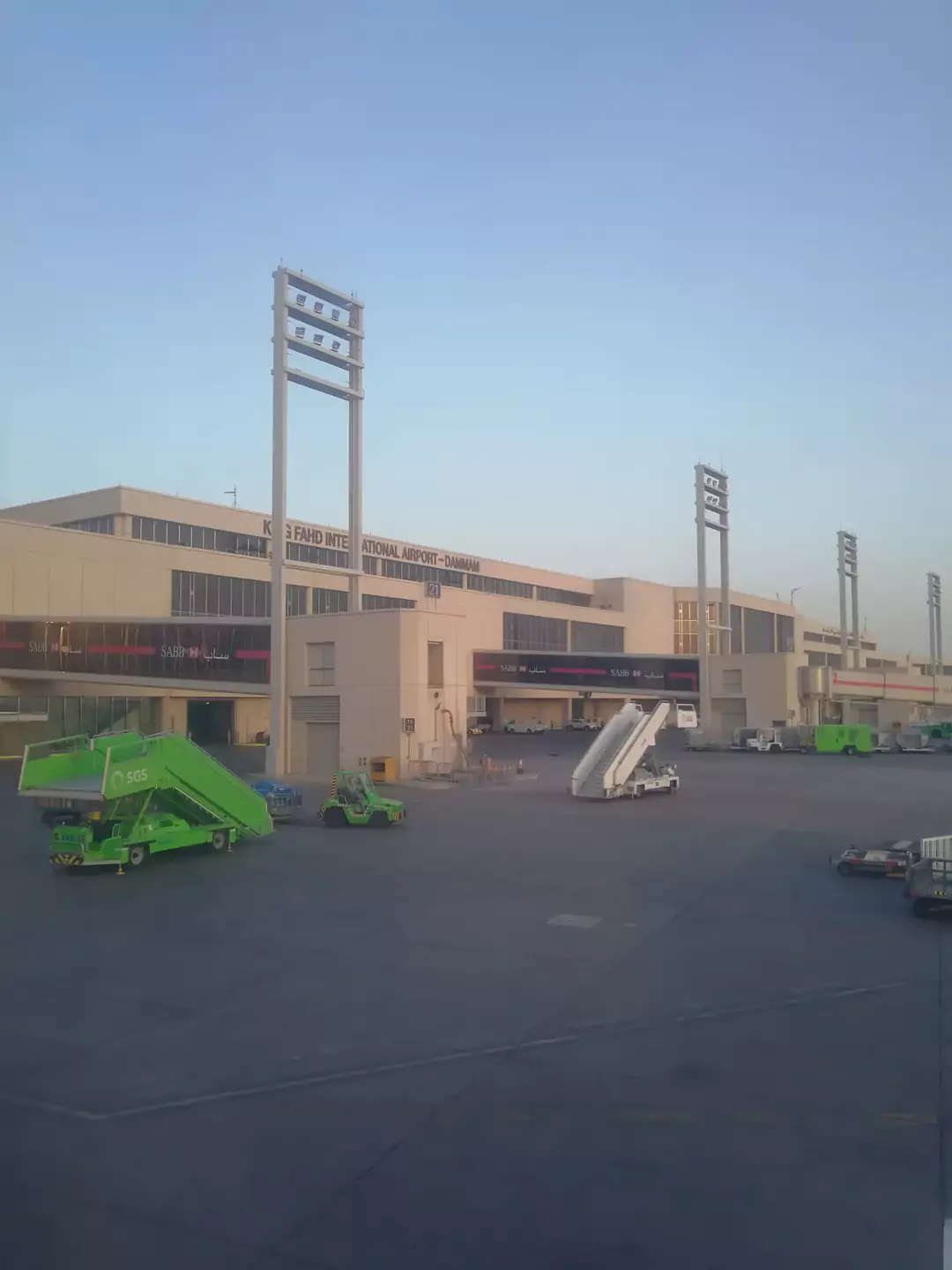
King Fahd International Airport (DMM) in Dammam is the largest airport in Saudi Arabia by land area and serves the Eastern Province. It acts as a key gateway to neighboring Gulf countries and beyond. Major airlines, including Saudia and Flynas, operate significant schedules here. The airport supports both commercial and cargo traffic, reflecting the industrial and economic importance of the region.
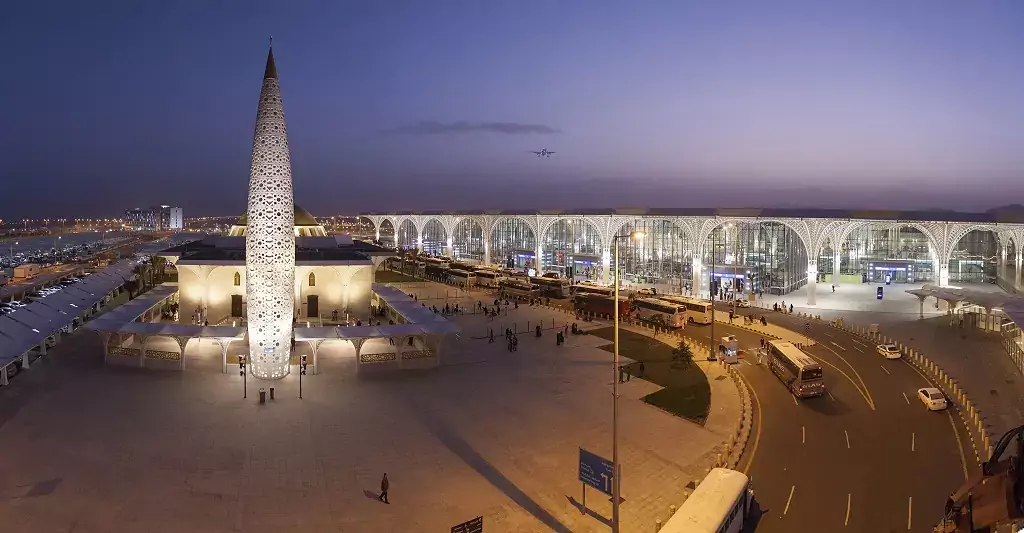
Prince Mohammad bin Abdulaziz International Airport (MED) in Medina specializes in serving the religious tourism sector, especially for Umrah and Hajj pilgrims. It features modernized terminals, robust services and is a base for Saudia operations focused on regional and international flights.
Abha International Airport (AHB) is a crucial aviation hub in the southern mountainous region, supporting tourism and local travel. It handles increasing domestic flights and some international routes, facilitating access to the Asir region’s unique cultural and natural attractions.
Saudi Arabia is also expanding its low-cost airline presence with new carriers, such as the announced airline operating from King Fahd International Airport, aiming to enhance air connectivity for the Eastern Region and beyond. This move aligns with Vision 2030 goals to diversify transportation options and increase competition, providing travelers more choice and affordable fares.
Other notable airports include Taif International Airport supporting pilgrims and summer tourists due to its proximity to Mecca, Prince Abdul Mohsin bin Abdulaziz International Airport in Yanbu serving the western industrial areas and Al-Ahsa International Airport catering to eastern desert oases.
Collectively, Saudi Arabia’s airport network, blending large international hubs and regional centers with a growing low-cost airline infrastructure, supports one of the world’s fastest-growing aviation markets. Efforts to enhance capacity, passenger experience and connectivity are reshaping air travel in the Kingdom and strengthening its role as a global transit and tourism destination.