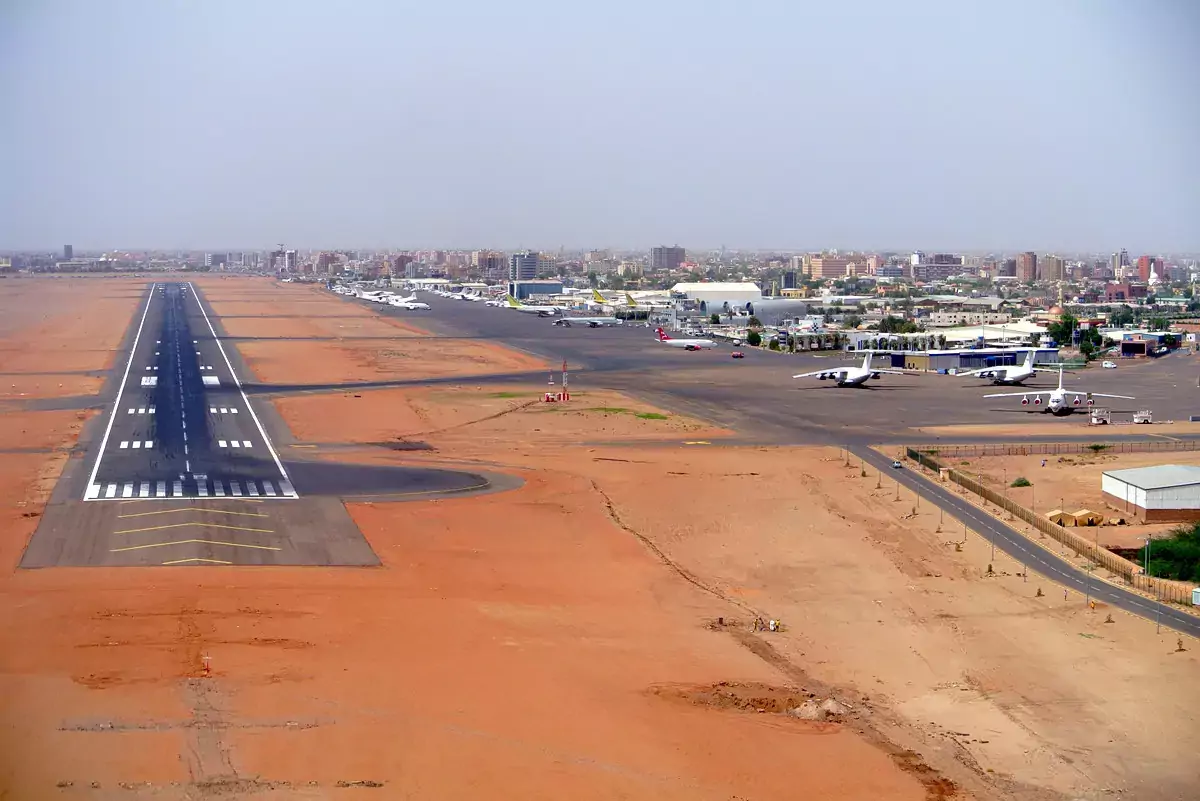
Khartoum International Airport is Sudan's largest and busiest airport, serving the capital city Khartoum. Situated about 20 minutes from the city center, it acts as the primary international gateway and hub for airlines including Sudan Airways, Badr Airlines and Tarco Aviation. The airport accommodates flights to many destinations in Africa, the Middle East and Europe, with carriers such as Ethiopian Airlines, EgyptAir, Emirates, Turkish Airlines, Qatar Airways, Kenya Airways and Saudia operating regular services. The facility features modernized terminals handling both passenger and cargo flights, although operations have been intermittently affected by recent conflicts and repairs. Efforts to reopen fully are ongoing, with a new international airport planned south of Khartoum in Omdurman.
Port Sudan Airport serves the important Red Sea coastal city of Port Sudan and acts as a vital hub for trade and tourism linked to the port activities. It handles domestic flights and international connections, primarily servicing travelers heading to the Red Sea resorts and trade centers.
Other significant regional airports include Nyala Airport, El Fasher Airport, Geneina Airport and Dongola Airport, which provide connectivity to western and southern regions affected by geography and infrastructure limitations. These airports support important domestic and regional routes, facilitating humanitarian aid and local economic activities.
Sudan's domestic air travel is supported by a growing number of airlines such as Tarco Aviation, Badr Airlines and Nova Airways, which offer affordable options connecting the major cities and airports. Budget carriers focus on key domestic routes, providing essential services to both business and leisure travelers seeking access to remote areas.
Overall, Sudan’s airport network, featuring key international and domestic hubs, plays a crucial role in overcoming geographic challenges while supporting the country’s socio-economic recovery and integration into regional air travel markets.