Back to grid

Best historical destinations in South America

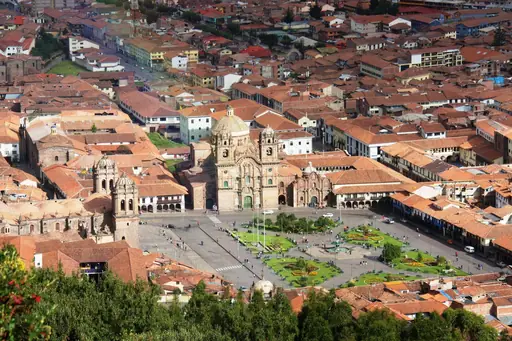
Cusco
Gateway to the Incan Empire's Heart
8.4
Cusco served as capital of the Inca Empire before Spanish conquest in 1533. Inca stonework, fitted without mortar, still forms the base of several colonial buildings. Spanish colonisers built churches directly atop demolished Inca temples and palaces. Narrow cobbled streets throughout the centre still follow the original Inca layout.
Highlights:
  • 🏛️ Stroll through Plaza de Armas and admire colonial architecture
  • 🏔️ Take the train or trek to the awe-inspiring Machu Picchu
  • 🧱 Visit the ancient Inca site of Sacsayhuamán overlooking the city
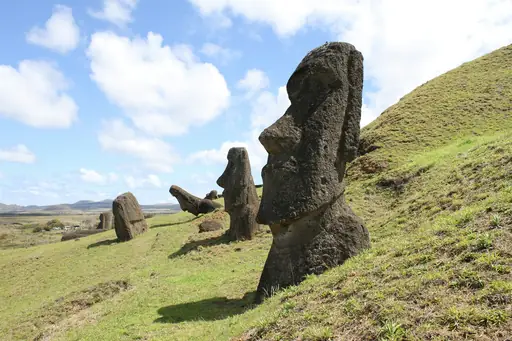
Easter Island
Mysterious Moai and Volcanic Landscapes
8.1
Polynesian settlers reached Easter Island roughly 900 years ago after a long ocean voyage. Islanders carved nearly 900 moai statues from volcanic stone over succeeding centuries. Each statue represented an ancestor believed to watch over the community below. Deforestation and social upheaval eventually stalled the statue-carving tradition centuries later.
Highlights:
  • ⛏️ Explore the Rano Raraku volcanic quarry of moai
  • 🏖️ Relax on the white sands of Anakena Beach
  • 🗿 Visit the massive moai statues at Ahu Tongariki
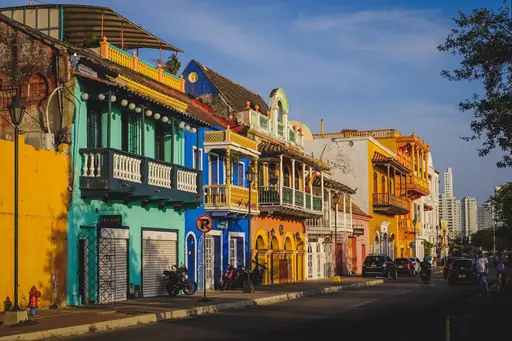
Cartagena
Walled city of Caribbean color
7.2
Spanish colonisers founded Cartagena in 1533 along Colombia's Caribbean coast. Thick stone walls built to defend against pirate raids still encircle the old city. Cartagena served as a major hub for the Spanish treasure fleet system. Colourful colonial balconies and plazas throughout the walled city date back centuries.
Highlights:
  • 🍉 Photograph the vibrant Palenqueras fruit vendors
  • 🛡️ Explore Castillo de San Felipe de Barajas fortress
  • 🏰 Walk the historic Walled City and soak in colors
Lima
Historic Charm Meets Coastal Vibes
7.3
Spanish conquistador Francisco Pizarro founded Lima in 1535 as Peru's colonial capital. The city grew into a wealthy hub for Spanish trade across South America. Lima Cathedral, built over decades, still overlooks the city's central plaza. Balconied colonial mansions throughout the historic centre reflect that early wealth.
Highlights:
  • 🌊 Stroll the scenic Malecón along the Pacific coast
  • 🎨 Visit the Museo Larco for ancient Peruvian art
  • 🏛️ Explore the historic Plaza de Armas and Cathedral
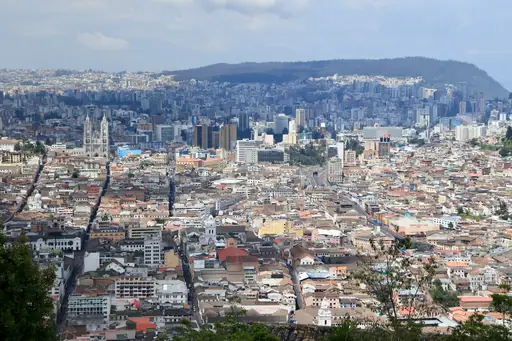
Quito
Andean Charm Meets Colonial Splendor
6.9
Quito grew atop an earlier Inca settlement after Spanish conquest in 1534. Churches and monasteries built over the following centuries filled the colonial centre with ornate interiors. Gold leaf covers much of the interior of the Church of the Society of Jesus. UNESCO recognised Quito's old town as a World Heritage site in 1978.
Highlights:
  • 🌍 Visit the Middle of the World monument and stand on the equator line
  • 🚠 Ride the TelefériQo for stunning Andean mountain views
  • 🏛️ Explore the historic center, a UNESCO World Heritage site
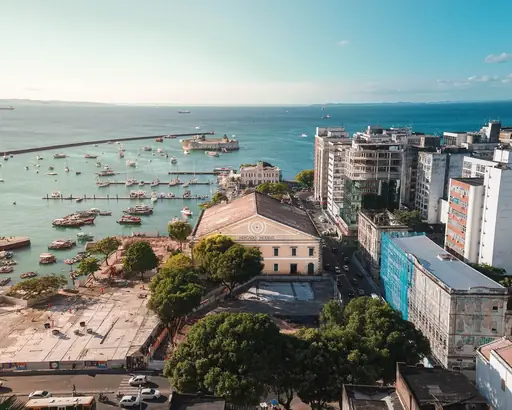
Salvador
Afro-Brazilian Soul on the Sea
6.6
The Portuguese crown founded Salvador in 1549, making it Brazil's earliest colonial capital. Enslaved Africans brought through Salvador's port shaped much of the region's culture and religion. Pelourinho, the historic centre, preserves colourful colonial buildings and cobbled streets. Afro-Brazilian traditions, including Candomble, still thrive throughout the old city today.
Highlights:
  • 🌅 Watch the sunset over All Saints Bay from the São Marcelo Fort
  • 🥁 Listen to live samba rhythms on the streets at night
  • 🎨 Explore the colorful Pelourinho district and its colonial architecture
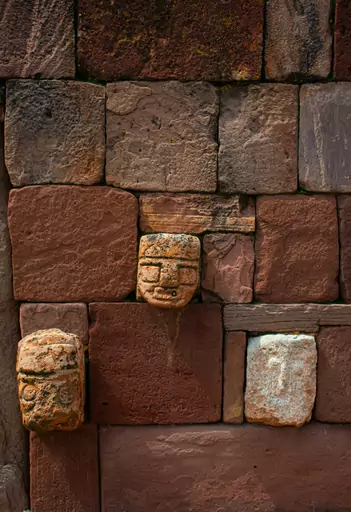
Tiwanaku
Ancient pre-Incan civilization's mysterious ruins
6.5
Builders at Tiwanaku raised monumental stone structures centuries before the Inca Empire existed. The civilisation flourished near Lake Titicaca as a major religious and political centre. Carved gateways, including the Gate of the Sun, reflect advanced stoneworking skill. Tiwanaku's civilisation collapsed around 1000 AD, its causes still debated by archaeologists.
Highlights:
  • 🏛️ Visit the Semi-Subterranean Temple with its carved stone faces
  • 🗻 Climb the Akapana pyramid, a terraced ceremonial platform
  • ⛩️ Explore the ancient Gateway of the Sun carved from stone
Rio de Janeiro
The heartbeat of Brazil's coast
8.1
Portuguese colonisers founded Rio de Janeiro in 1565 along Guanabara Bay. The city served as capital of Portugal's empire after the royal court fled there in 1808. Rio later became Brazil's capital until Brasilia replaced it in 1960. Colonial forts and churches throughout downtown still trace that long imperial history.
Highlights:
  • 🏖️ Relax on the iconic sands of Copacabana Beach
  • ✝️ Stand before Christ the Redeemer atop Corcovado Mountain
  • 🚠 Take the cable car up Sugarloaf Mountain for breathtaking views
Machu Picchu
Lost Inca city among clouds
Inca rulers built Machu Picchu as a royal estate high in the Andes around 1450. Spanish conquistadors never discovered the site, leaving it largely undisturbed for centuries. American explorer Hiram Bingham brought international attention to the ruins in 1911. Terraced fields and stone temples remain remarkably intact along the mountain ridge.
Highlights:
  • 🏛️ Explore the ancient Inca temples and ceremonial sites
  • 🥾 Climb Huayna Picchu for panoramic mountain views
  • 🌅 Watch sunrise from the iconic Guardian’s House viewpoint
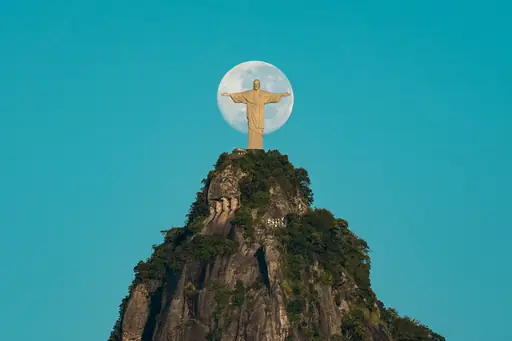
Cristo Redentor
Iconic guardian of Rio's skyline
Brazilian engineers completed the Christ the Redeemer statue atop Corcovado Mountain in 1931. French sculptor Paul Landowski designed the Art Deco figure overlooking Rio de Janeiro. Workers used soapstone tiles to cover the statue's reinforced concrete frame. A funicular railway built in 1884 still carries visitors most of the way up the mountain.
Highlights:
  • ✝️ Admire the iconic statue's immense 28-metre arm span
  • 🌆 Enjoy panoramic views of Rio from Corcovado summit
  • 🚋 Take the cogwheel train through lush Tijuca Forest
Feedback