
Best running destinations in South America
Best running destinations in South America
Highland valley dirt paths and continuous urban park networks in South America
Southern Patagonia's ultra trail races have built a serious international reputation over the past decade, drawing runners specifically for terrain and weather that test genuine endurance rather than pace. A major coastal city's marathon offers a far more conventional, urban alternative further north.
The destinations on this list range from remote ultra trail events through genuinely demanding mountain terrain to major city marathons built around accessible, well-supported courses. Both require very different kinds of preparation.
Training specifically for wind and weather exposure matters considerably for the southern trail races, where conditions can shift dramatically within a single event. Most courses involve significant elevation change. Training plans should account for significant elevation gain. Packing layers also matters considerably given the dramatic temperature swings common in this terrain.
Lists by region

City in Brazil
Rio de Janeiro
The heartbeat of Brazil's coast
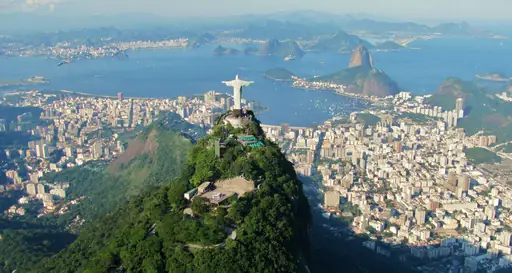
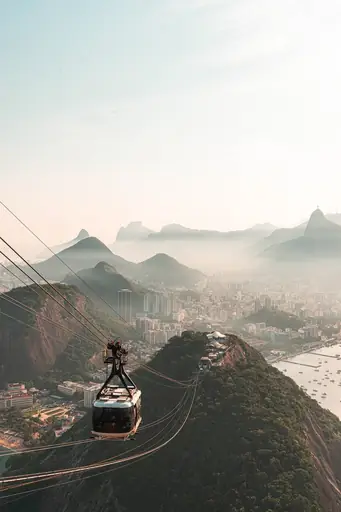
On Sundays one traffic lane closes along Ipanema and Leblon, which allows a loop of about 4.3 miles. The Lagoa loop covers about 4.7 miles with markers every 330 feet. Flamengo Park offers a 2.5 mile tree-lined path along the beach. Parts of the lagoon route are poorly lit, so avoid night runs.
City in Colombia
Medellín
The City of Eternal Spring
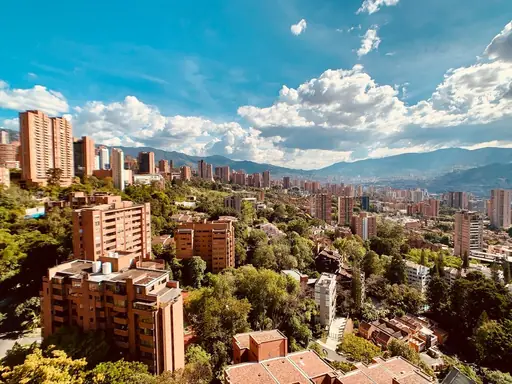
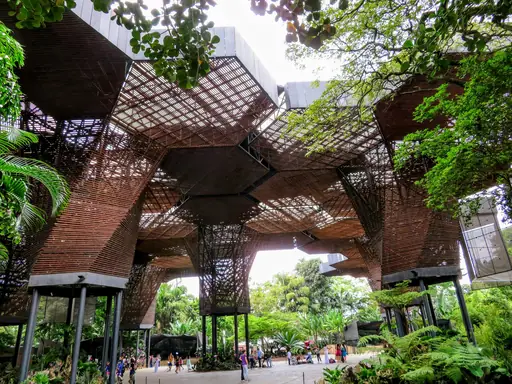
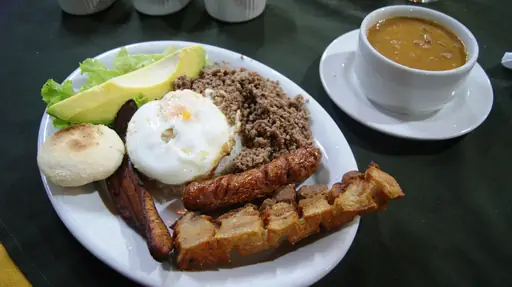
In the Aburrá Valley at 4,905 feet, temperatures typically range from 63 to 82°F. The springlike climate earned the nickname City of the Eternal Spring. Parque Arví covers about 49,000 acres of trails, lakes and forests with views over the city. Metro Line L connects to the park.

City in Brazil
São Paulo
A vibrant mix of culture and cuisine
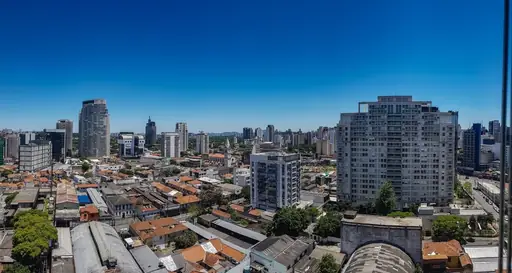
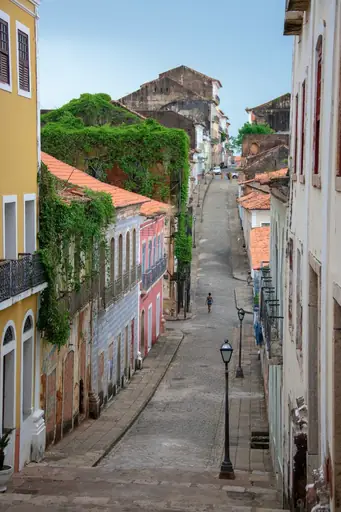
The São Silvestre race began on 31 December 1925 over about 3.9 miles. It has been 9.3 miles since 1991. Since 1989 it has started in the afternoon rather than at 11pm. Kibiwott Kandie set the men's course record of 42 minutes 59 seconds in 2019. Ibirapuera Park covers about 390 acres.

City in Argentina
Buenos Aires
Where Tango and Culture Thrive
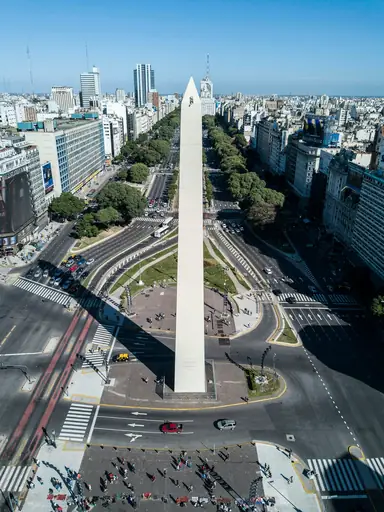
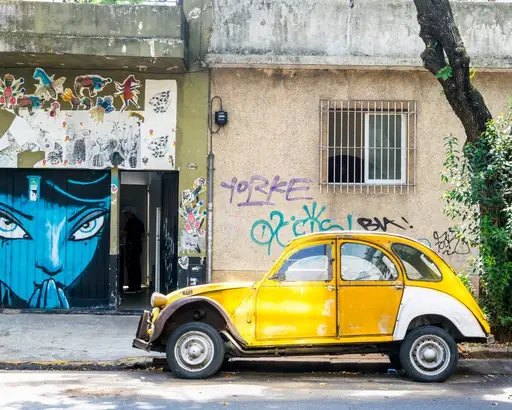
Bosques de Palermo is a popular training ground for local runners. Its flat paths have distance markers and water fountains. The late August half marathon starts there with about 25,000 runners. It passes 9 de Julio Avenue, the Obelisk, Casa Rosada and San Telmo. August is winter at roughly 46 to 59°F.

City in Colombia
Bogotá
Vibrant Culture in the Andean Highlands
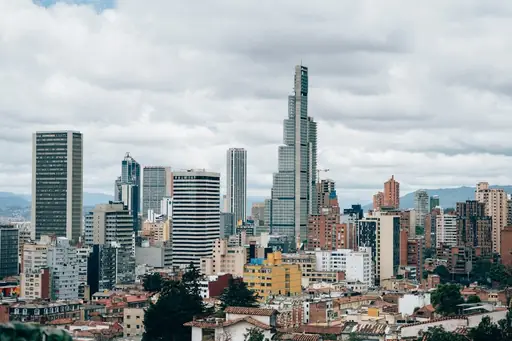
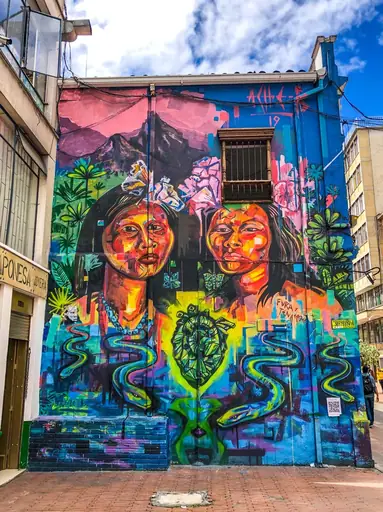
The Ciclovía closes more than 75 miles of streets to cars on Sundays and public holidays from 7am to 2pm. It began in December 1974 and became an official city programme in 1976. Bogotá lies at 8,660 feet. Temperatures average 58°F. Sunny days range from 43 to 66°F.
City in Peru
Cusco
Gateway to the Incan Empire's Heart
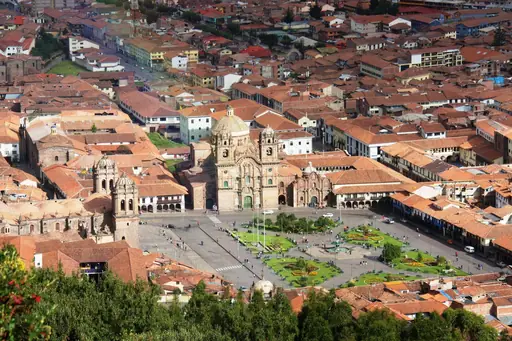
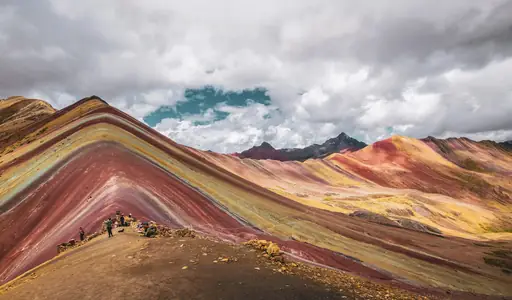
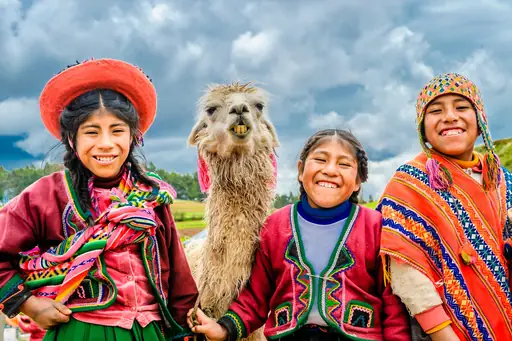
Thin air above 11,000 feet makes acclimatising essential. Start in the Sacred Valley at about 9,500 feet. Within 20 minutes of the centre you can run to Sacsayhuamán, Qenco and Tambomachay. Temperatures rarely exceed 70°F. Muggings happen, so bring a buddy and skip solo night runs.
City in Argentina
Mendoza
Wine, Andes and Adventure Bliss
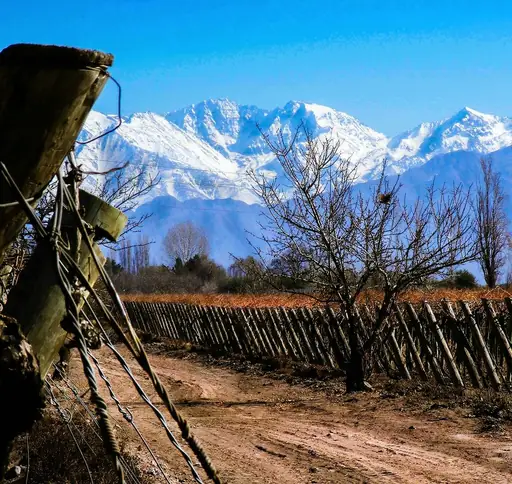
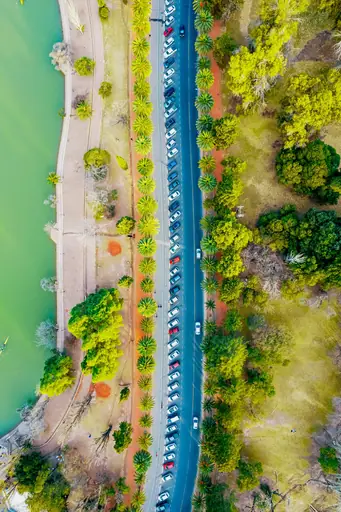
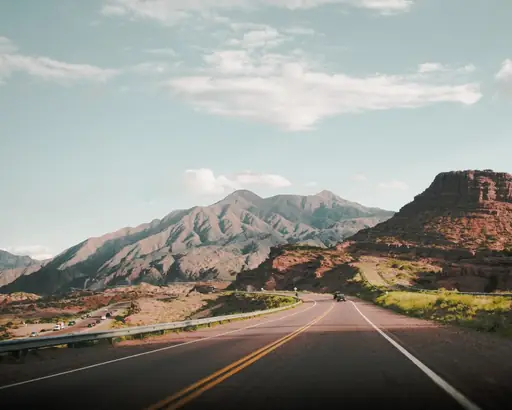
Airport records show about 2,976 sunshine hours a year. That averages 8.1 hours a day. Carlos Thays designed Parque General San Martín, which includes a zoo and a stadium. Irrigation channels called acequias line city streets and water about 100,000 trees. Cerro de la Gloria offers a view of the city.
Region
Patagonia
Untamed Beauty at the End of the World
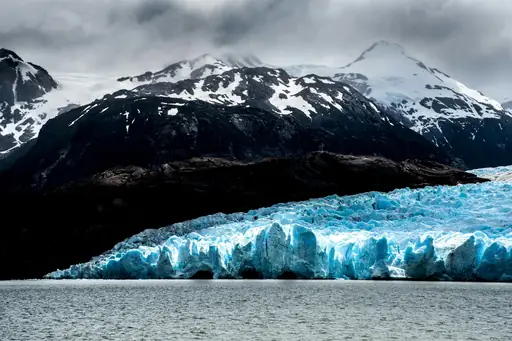
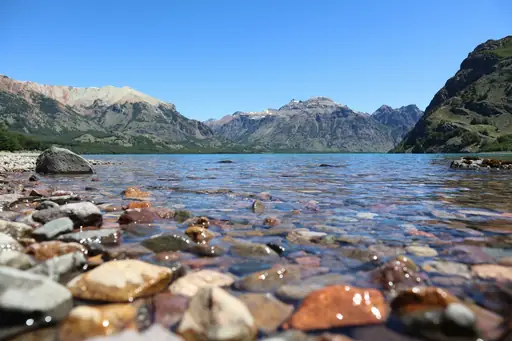
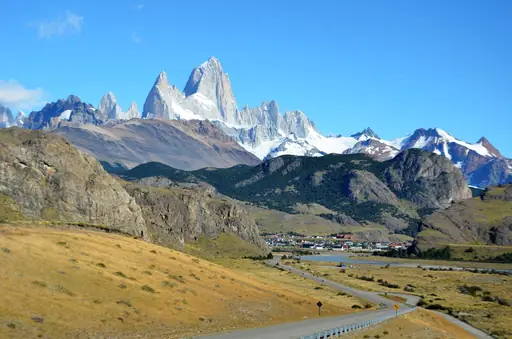
The Patagonian International Marathon began in 2012 as the first marathon in Torres del Paine National Park in Chilean Patagonia. It runs each September on gravel roads with curves and steep slopes. Wind can be relentless. Runners have come from more than 65 countries. Puerto Natales serves as the base town.
Desert in Chile
Atacama Desert
Endless dunes under starlit desert skies
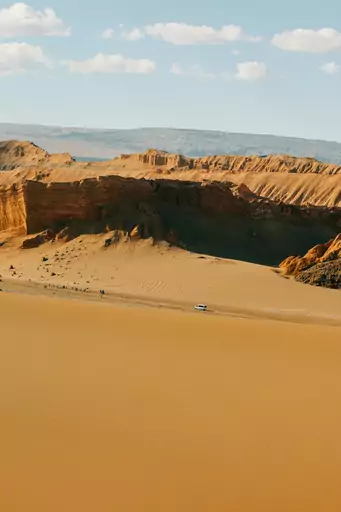
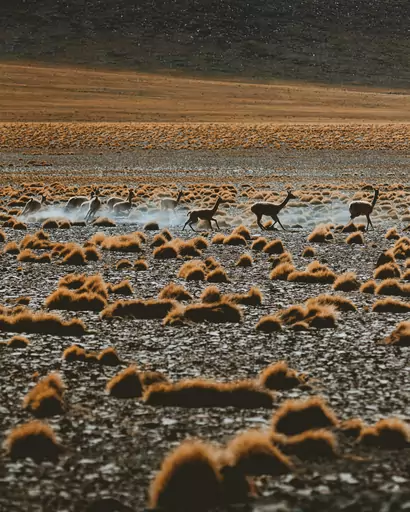
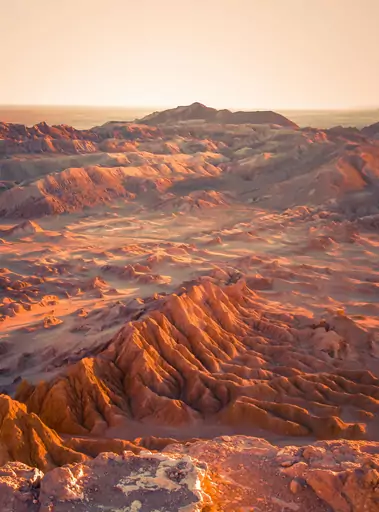
The Atacama Crossing stage race covers 155 miles over six stages in seven days. Runners are self-supported and limited to 100 participants. The route crosses salt flats, sand dunes, slot canyons and rivers at about 7,900 feet. Average rainfall is only 0.6 inches a year, making it the driest nonpolar desert.
Other lists you may like

Discover
Best running destinations in Africa
One East African town, sitting at high altitude, has produced a disproportionate number of the world's best distance runners, drawing serious athletes specifically to train at…
Read more
Discover
Best running destinations in Asia
One East Asian capital's marathon ranks among the world's most significant annual races, drawing elite and recreational runners alike through closed city streets. A Southeast Asian…
Read more
Discover
Best running destinations in Europe
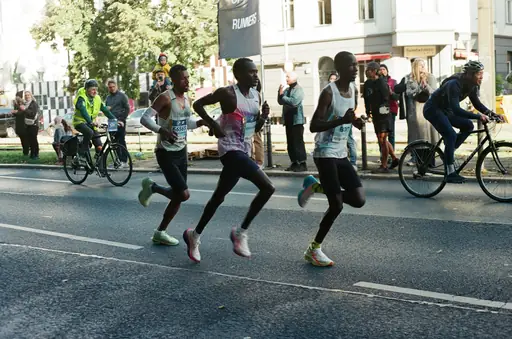
A famously flat marathon course in Central Europe has produced more world records than any other race, while a major Western European capital's marathon combines elite competition…
Read more
Discover
Best running destinations in North America
One major race remains the only major marathon requiring a qualifying time for most entrants, giving it a status unlike any other race on the continent. A larger city's marathon,…
Read more
Discover
Best running destinations in Oceania
Australia and New Zealand's running scene leans heavily toward scenic trail and ultra events rather than major city marathons, with races through national parks and coastal trails…
Read more
Discover
Top running destinations and marathon routes
The world's best running destinations combine a genuinely good route with the kind of organisation, including closed roads, crowd support and logistics, that turns a long run into…
Read more
What other users say about travelfilters
“travelfilters made it easy for me to find ski areas and compare what else they offer, so that I could find the best place for my personal travel style.”

Chris
Snowboarding & Onsen trip to Japan
“I love how transparent the data feels. There is no pushy upsell, just honest information and settings I can tune to my own travel style.”

Maria
After booking her 2027 winter escape
“The level of detail for each destination and how well those are displayed, make planning feel confident instead of overwhelming.”

Mina
Planned a week in New York City
“We used travelfilters for our planning from start to end. The trip turned out even better than expected, thanks to all their tools and customisation options.”

Allan & Etienne
Trip to Japan to see autumn foliage
“Thanks to travelfilters, I found some hidden gems to see. Being able to filter for exactly your interests is a game changer for my travel planning.”

Michael
Tour through the old cities of Northern Italy
“The customizable filters helped me find a quiet beach town with good wifi and low season crowds in under five minutes.”

Diego
Weekend Escape to Llanes, Spain
“The airport connection map saved me hours by showing good flight options from my home airport to lesser-known cities.”

Nguyen
Planning a 2027 trip to France
“The website is clean, fast and focused on the search itself, which makes travelfilters feel more like a professional tool than an ad-heavy booking site.”

Hassan
Christmas Market trip, Germany
