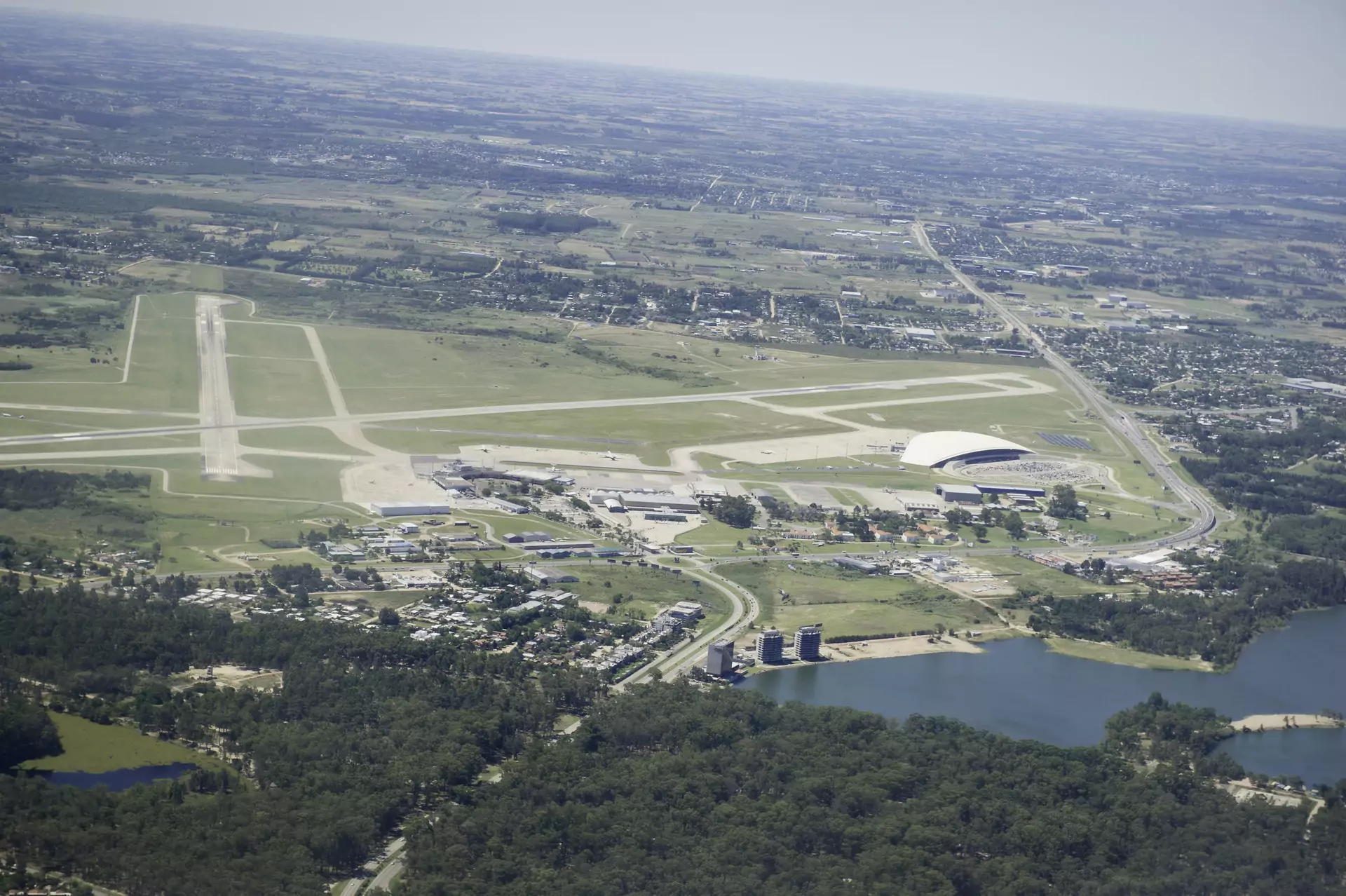
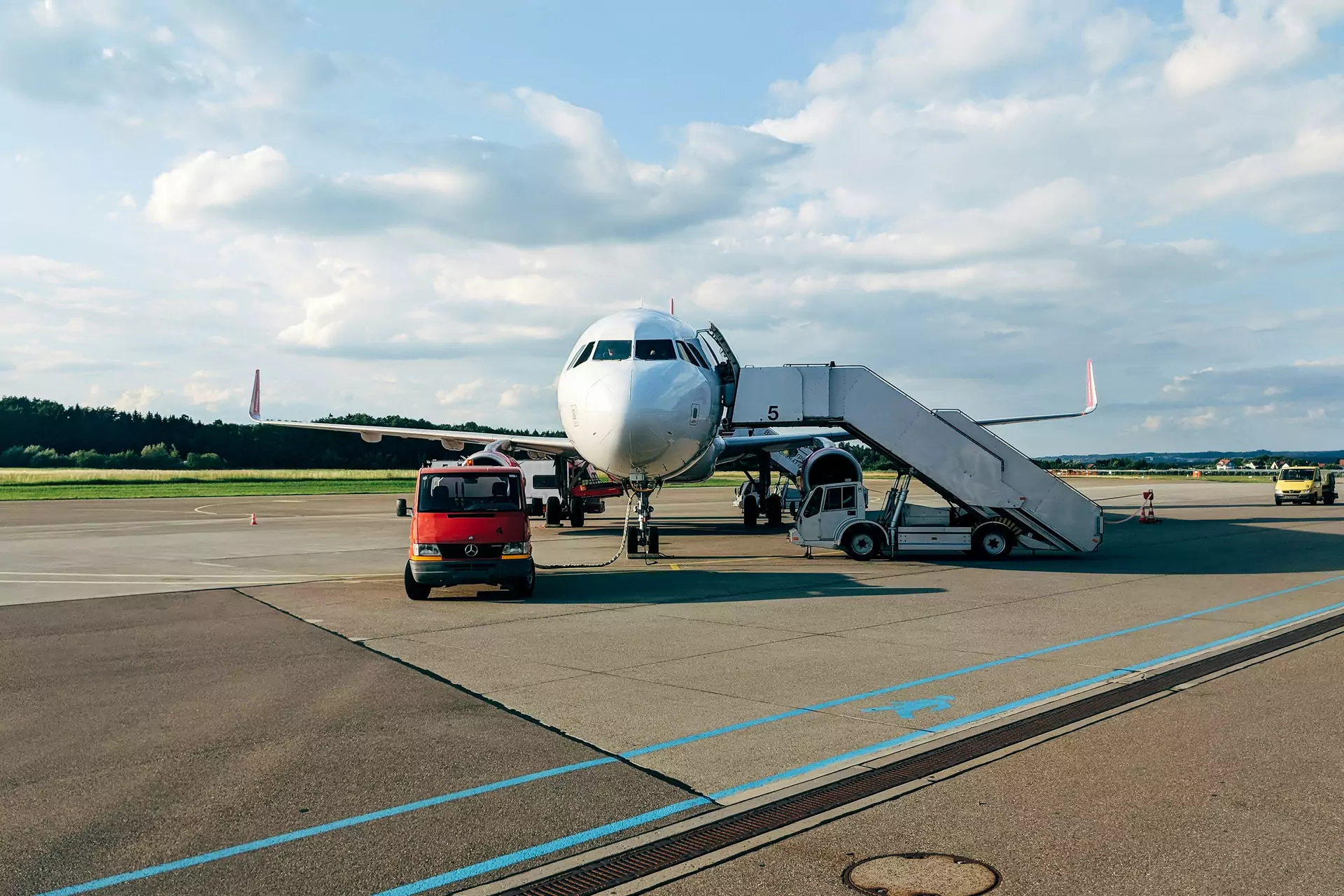
Carrasco International Airport (MVD), also officially known as General Cesáreo L. Berisso International Airport, is Uruguay’s largest and busiest airport. It is situated about 18 km from Montevideo city center, in the Carrasco neighborhood. Opened in 1947 and modernized extensively in recent years, Carrasco provides a traveler-friendly experience with modern facilities, multiple jetways, spacious parking, shopping, dining and lounges. The airport serves as the main hub for national and international airlines including LATAM, Gol and American Airlines, connecting Uruguay with South America, North America and Europe.
Punta del Este International Airport (PDP), located near the popular beach resort city of Punta del Este, primarily caters to seasonal tourism traffic. It offers flights largely focused on regional connections, particularly to Buenos Aires, Rio de Janeiro and São Paulo, catering to leisure travelers visiting the area during peak seasons.
Rivera International Airport (RIU) serves the northern city of Rivera, near the Brazilian border, providing connections mainly for domestic and regional flights with a focus on business and cross-border travel. Other smaller airports across Uruguay support domestic flights and cargo operations, facilitating access to remote areas and boosting regional development.
While low-cost airlines are not deeply entrenched in the Uruguayan market, the country’s carriers maintain competitive pricing and the airport infrastructure continues to improve to accommodate growing traveler demand. The combination of these airports with accessible ground transport options ensures Uruguay remains well connected within South America and beyond.