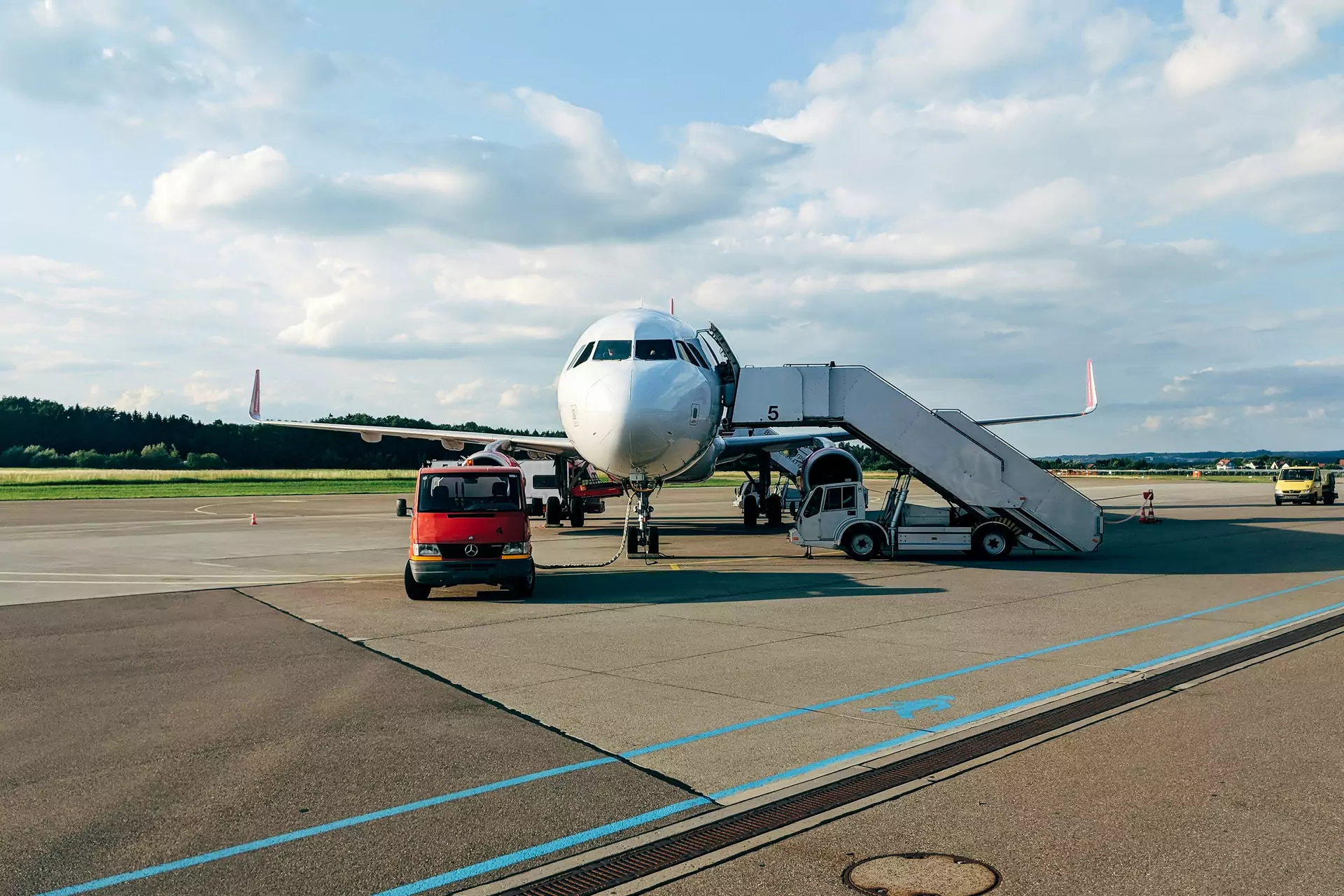
Bauerfield International Airport (IATA: VLI), located approximately 6 km from Port Vila, is Vanuatu's main international gateway. It is equipped to handle wide-body aircraft such as the Boeing 767, facilitating direct flights from Australia (Sydney, Brisbane, Melbourne), New Zealand (Auckland), Fiji and New Caledonia. Airlines including Air Vanuatu (the national carrier), Virgin Australia, Qantas, Jetstar, Fiji Airways and Solomon Airlines operate regular services from this airport. Bauerfield serves as the hub for Air Vanuatu, which operates an extensive network of both international and domestic routes.
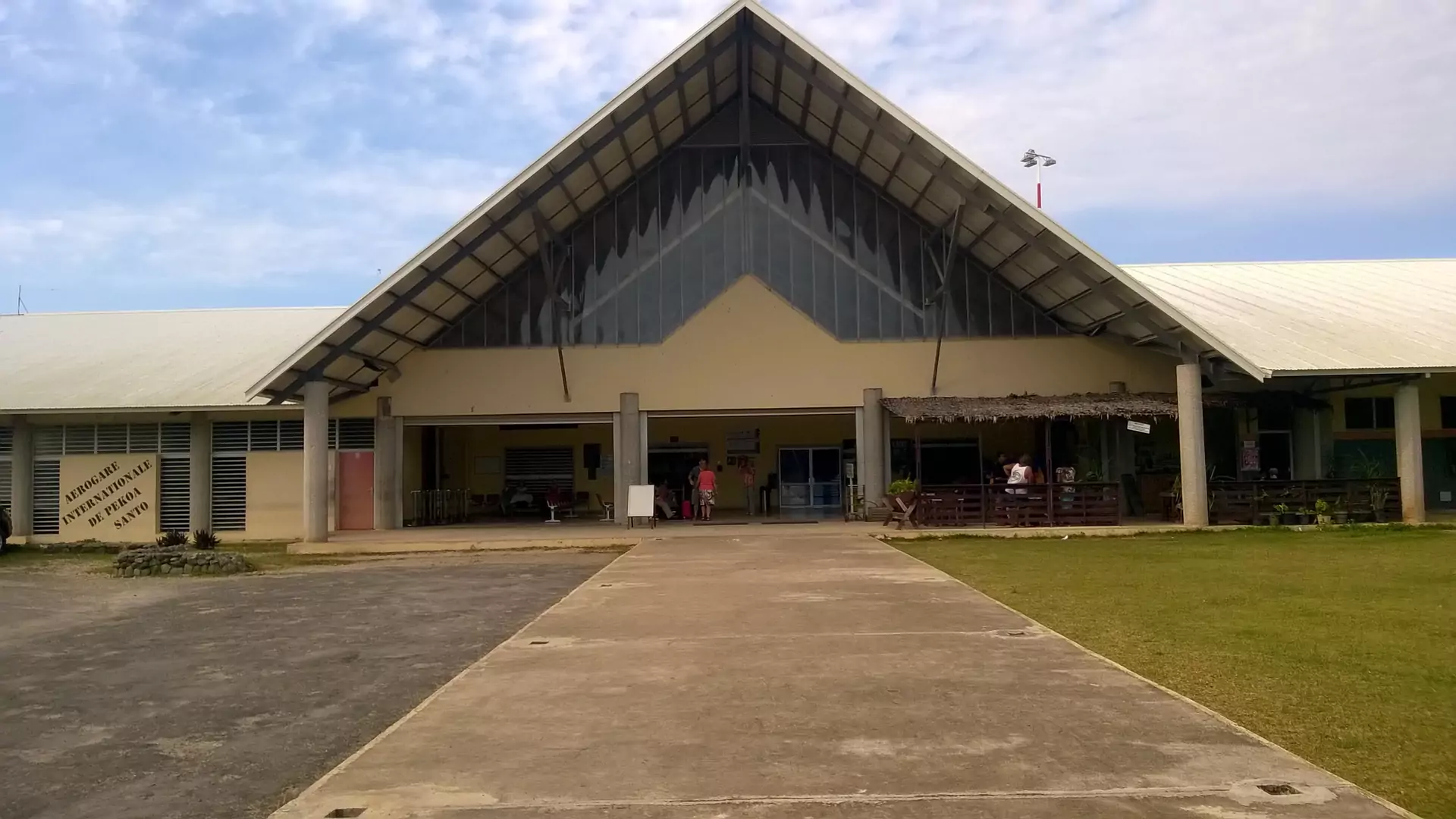
For inter-island travel, Vanuatu relies on a network of regional airports that provide access to its many inhabited islands. These include Santo-Pekoa International Airport (SON) on Espiritu Santo Island, the country’s second-largest airport, serving the northern region and smaller international flights. Other domestic airports like Whitegrass Airport (Tanna), Craig Cove Airport (Ambrym), Malekula Airport (Lamap) and Gaua Airport connect remote communities and support tourism.
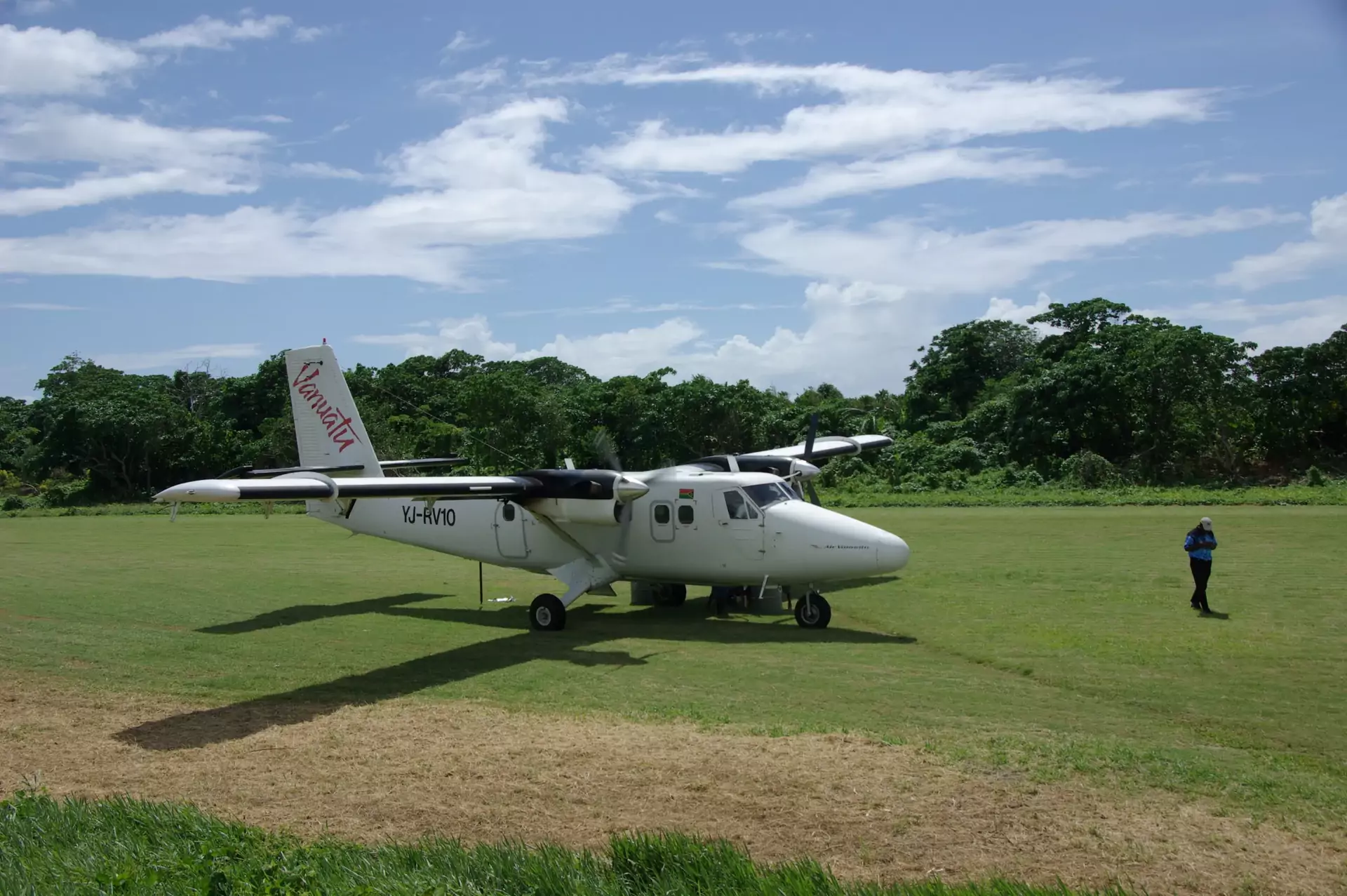
Air Vanuatu plays a central role in domestic connectivity, operating flights to over 26 airports across the 19 inhabited islands of the archipelago. This extensive domestic network enables residents and visitors to move with ease throughout Vanuatu’s diverse geography, from lush volcanic islands to idyllic coastlines.
While there is no specific low-cost airline hub in Vanuatu, budget-conscious travelers can find competitive fares on airlines like Jetstar and Virgin Australia on routes from Australia. Additionally, Air Vanuatu aims to modernize and streamline domestic services to enhance affordability and convenience as part of its longer-term growth plans.
The airports in Vanuatu are essential not only for tourism but also for providing vital connectivity for trade, healthcare and education across the islands. Each airport, from the bustling international terminal at Bauerfield to the modest airstrips on smaller islands, reflects the country’s vibrant culture and commitment to linking its people despite its geographical spread. This network of airports keeps Vanuatu accessible to the world and supports its development as a premier South Pacific destination.