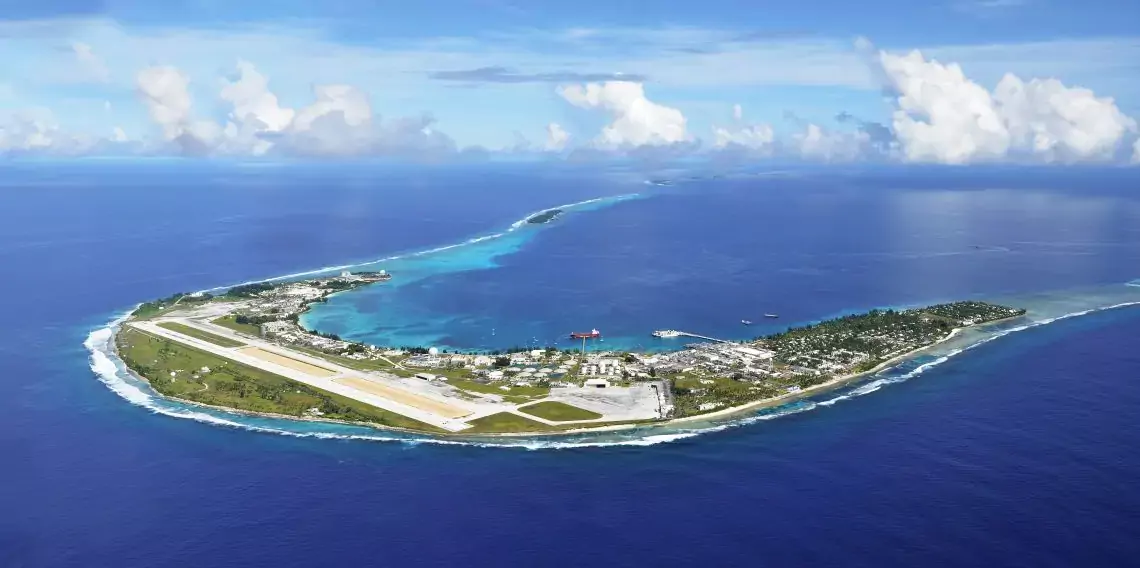
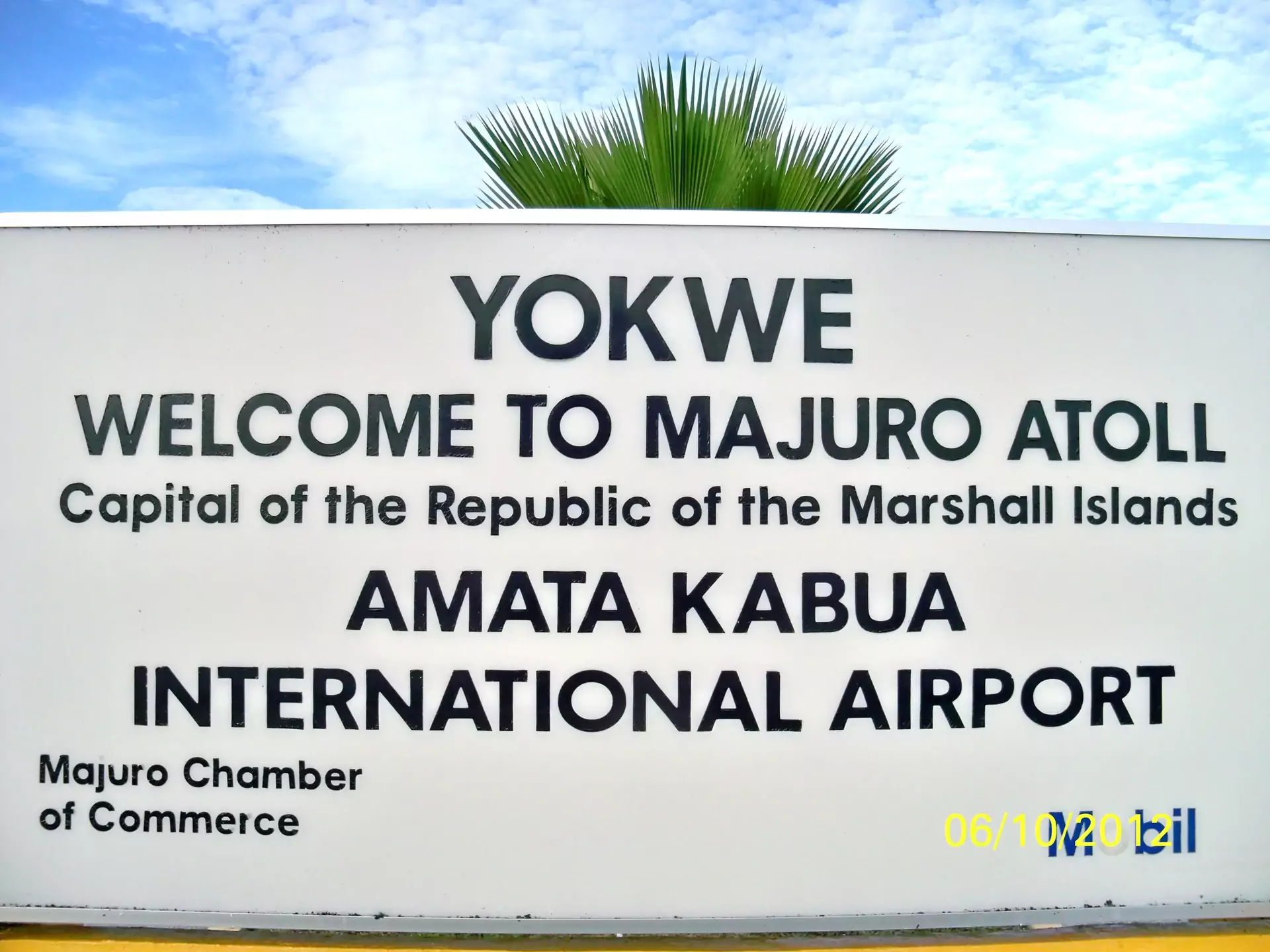
Marshall Islands International Airport (IATA: MAJ, ICAO: PKMJ) is situated on Rairok islet on the southern side of Majuro Atoll. Established during World War II, this airport has been modernized to handle a range of aircraft from propeller planes to midsize jets like Boeing 737s and Airbus A320s. It features a simple terminal comprising a few single-story buildings and essential services such as passenger lounges and fueling facilities. The airport facilitates regular international flights primarily operated by United Airlines, Nauru Airlines and Jeju Air, connecting the Marshall Islands to hubs in the Pacific including Honolulu and Guam.
Domestic aviation is predominantly served by Air Marshall Islands, the national flag carrier, which operates scheduled inter-island flights linking Majuro with outlying atolls such as Bikini, Enewetak, Kwajalein, Rongelap and Ailinglaplap. Given the dispersed geography, this domestic service is critical for logistics, healthcare evacuations and local transport. Smaller airports scattered throughout the islands, such as Ebeye, Kwajalein's Bucholz Army Airfield (restricted) and Maloelap support these essential inter-island links.
The Marshall Islands currently lacks a dedicated low-cost airline hub, although regional carriers provide competitive pricing and connections to nearby countries. Ongoing efforts focus on improving runway conditions and passenger facilities to enhance safety and efficiency. Investment continues to modernize the infrastructure of Marshall Islands International Airport, a key economic lifeline for this remote nation. Whether arriving for tropical recreation or traveling between islands, the airports of the Marshall Islands provide critical gateways into this unique Pacific island country.