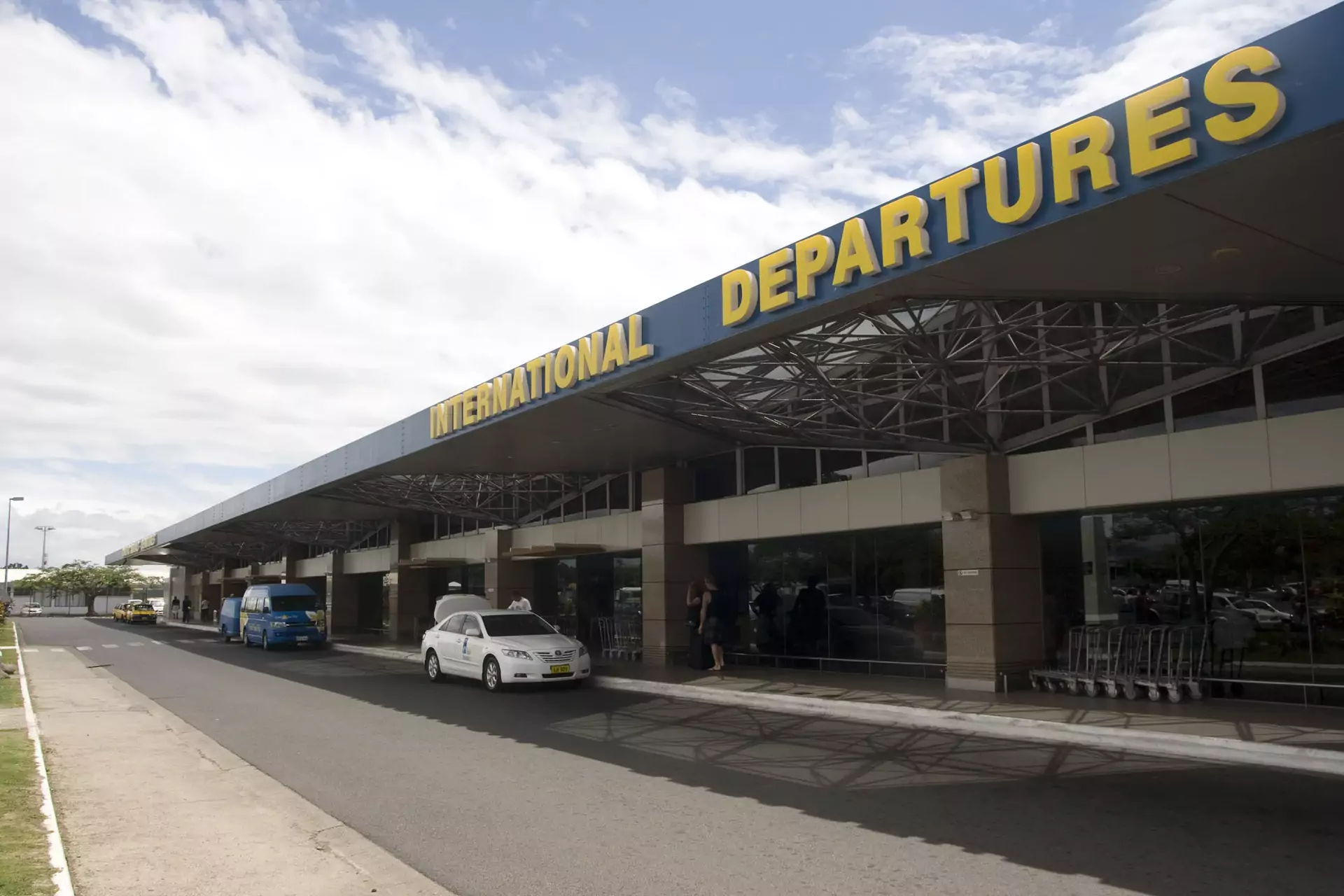
Nadi International Airport stands as Fiji's aviation crown jewel, located on the western coast of Viti Levu island, approximately 10 kilometers from Nadi city and 20 kilometers from Lautoka. This major Pacific hub handles an impressive 97% of Fiji's international visitors, processing over 2.4 million passengers annually through its modern terminal facilities. The airport serves as the main hub for Fiji Airways, the national carrier that captures 64% of all international passengers to Fiji, operating direct services to destinations across North America including Los Angeles, San Francisco, Vancouver and Honolulu. Asian connectivity includes regular flights to Hong Kong, Singapore and Tokyo, while the airport also facilitates extensive connections throughout Oceania to Australia and New Zealand.
Despite being Fiji's primary gateway, Nadi International Airport sits 192 kilometers northwest of the capital Suva, a three-hour drive that reflects the strategic decision to locate the main airport on the drier western side of Viti Levu. The facility operates as both an international and domestic terminal, with Fiji Link, the domestic subsidiary of Fiji Airways, providing essential inter-island connections to destinations including Kadavu, Labasa, Taveuni and numerous outer island communities. The airport's wide-body aircraft capability and role as a Pacific transit point make it a crucial stopover for travelers crossing the vast Pacific Ocean.
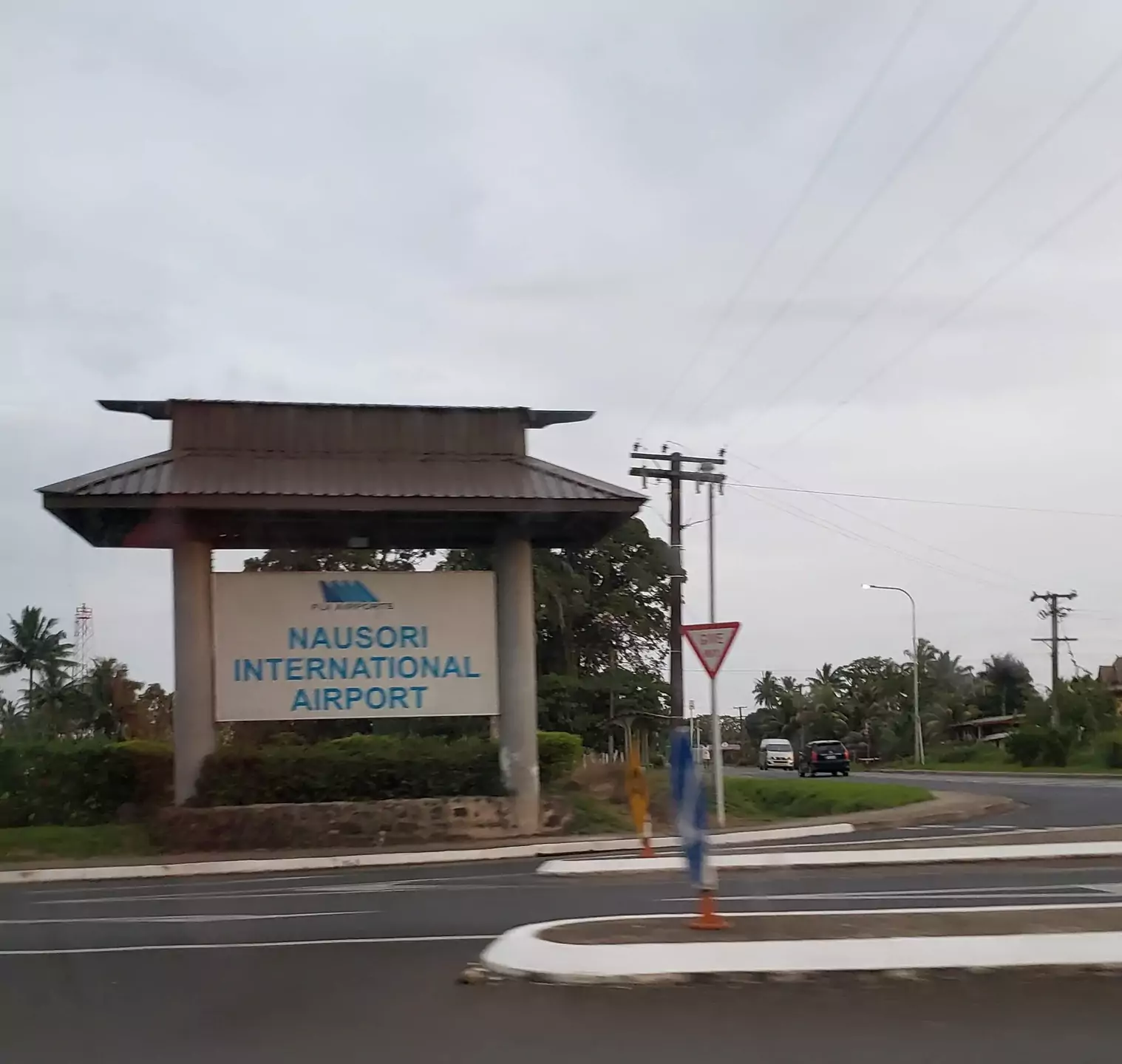
Nausori International Airport, also known as Luvuluvu, serves as Fiji's secondary international gateway, strategically positioned 23 kilometers from the capital city Suva on the southeastern side of Viti Levu. Originally constructed by U.S. Navy Seabees in 1942, the airport underwent significant modernization with a completed $60 million runway extension and widening project in 2021, bringing the runway to 2,148 meters and enhancing its capability for international operations. While smaller than Nadi, Nausori plays a vital role in domestic connectivity, serving as a hub for both Fiji Link and Northern Air, which operate scheduled services to destinations including Labasa, Savusavu, Taveuni, Rotuma and various outer island communities.
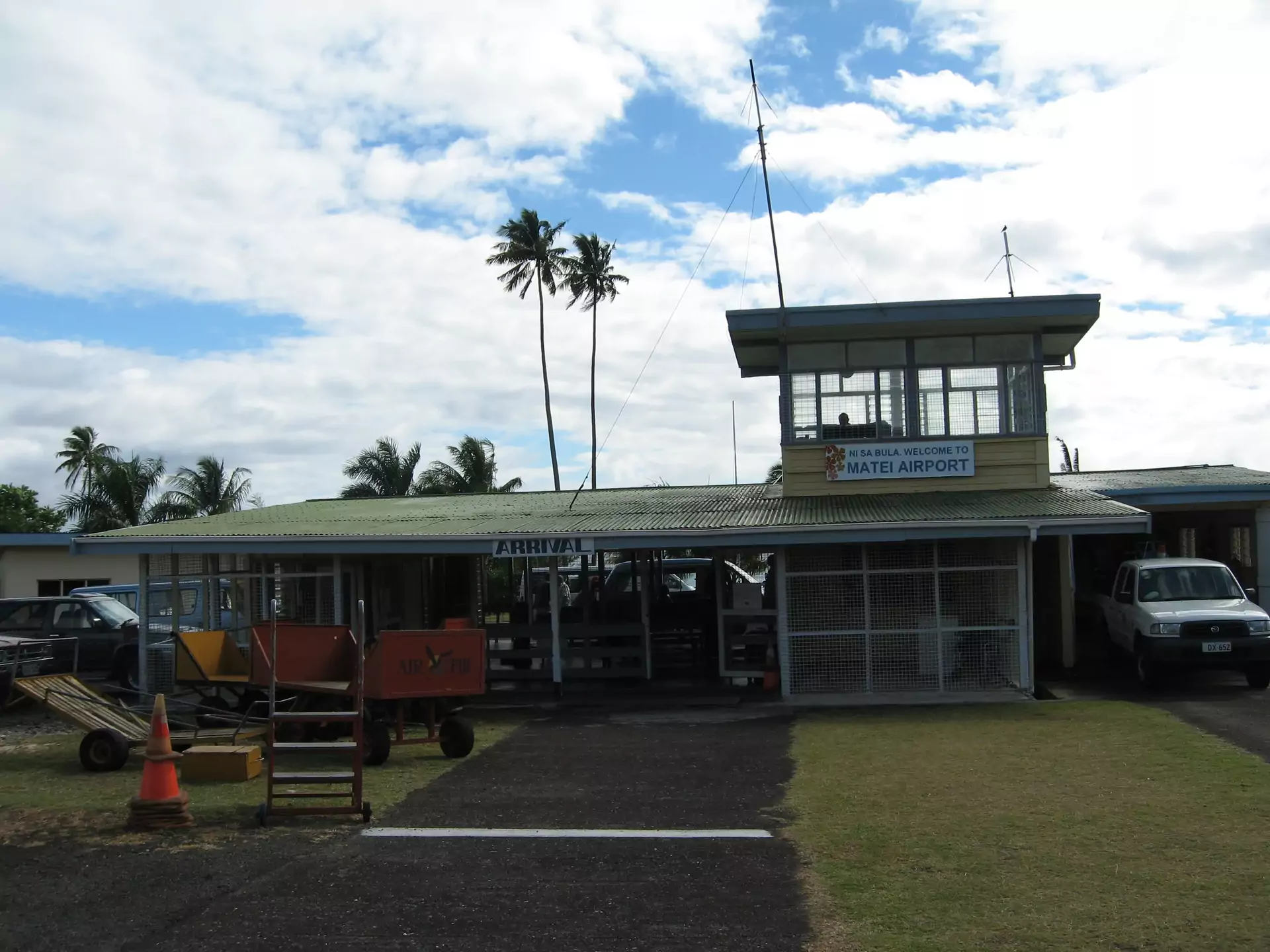
The domestic aviation network extends beyond these two main airports to serve Fiji's scattered island communities through a network of smaller airports and airstrips. Labasa Airport on Vanua Levu, Fiji's second-largest island, provides essential connectivity to the northern region, while Taveuni Airport serves the "Garden Island" with its lush landscapes and diving opportunities. Kadavu Airport connects the remote southern island and numerous smaller facilities including airports at Savusavu, Vanua Balavu, Lakeba, Moala and others ensure that even the most remote communities maintain air links to the main islands. Northern Air Services complements Fiji Link's domestic operations, offering charter services and medical evacuation flights across the archipelago, operating a fleet of seven aircraft from bases at both Nadi and Suva to serve the nation's extensive aviation needs.