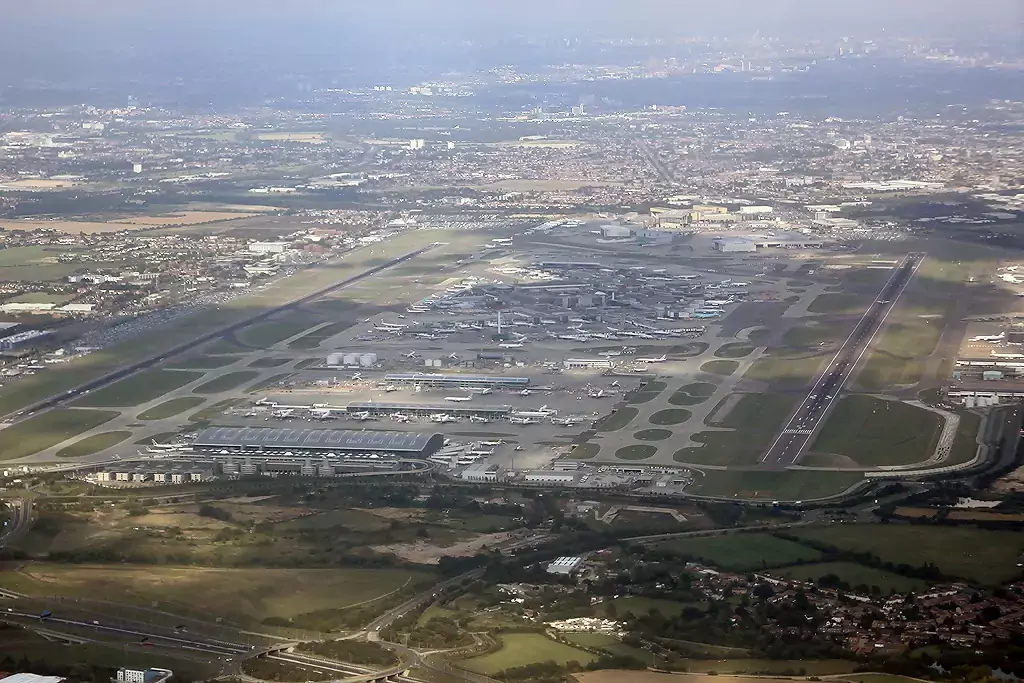
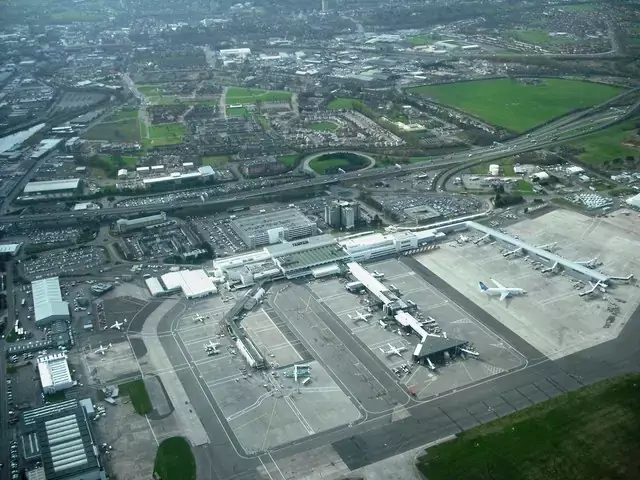
London Heathrow Airport (LHR) is the UK’s largest and busiest airport, located 23 kilometers west of central London. It serves as the primary hub for British Airways and Virgin Atlantic, facilitating extensive global connectivity with flights to over 200 destinations across six continents. Heathrow features four passenger terminals equipped with modern amenities and efficient transport options, including the Heathrow Express train to central London. This airport is a key gateway for both international long-haul and European routes.
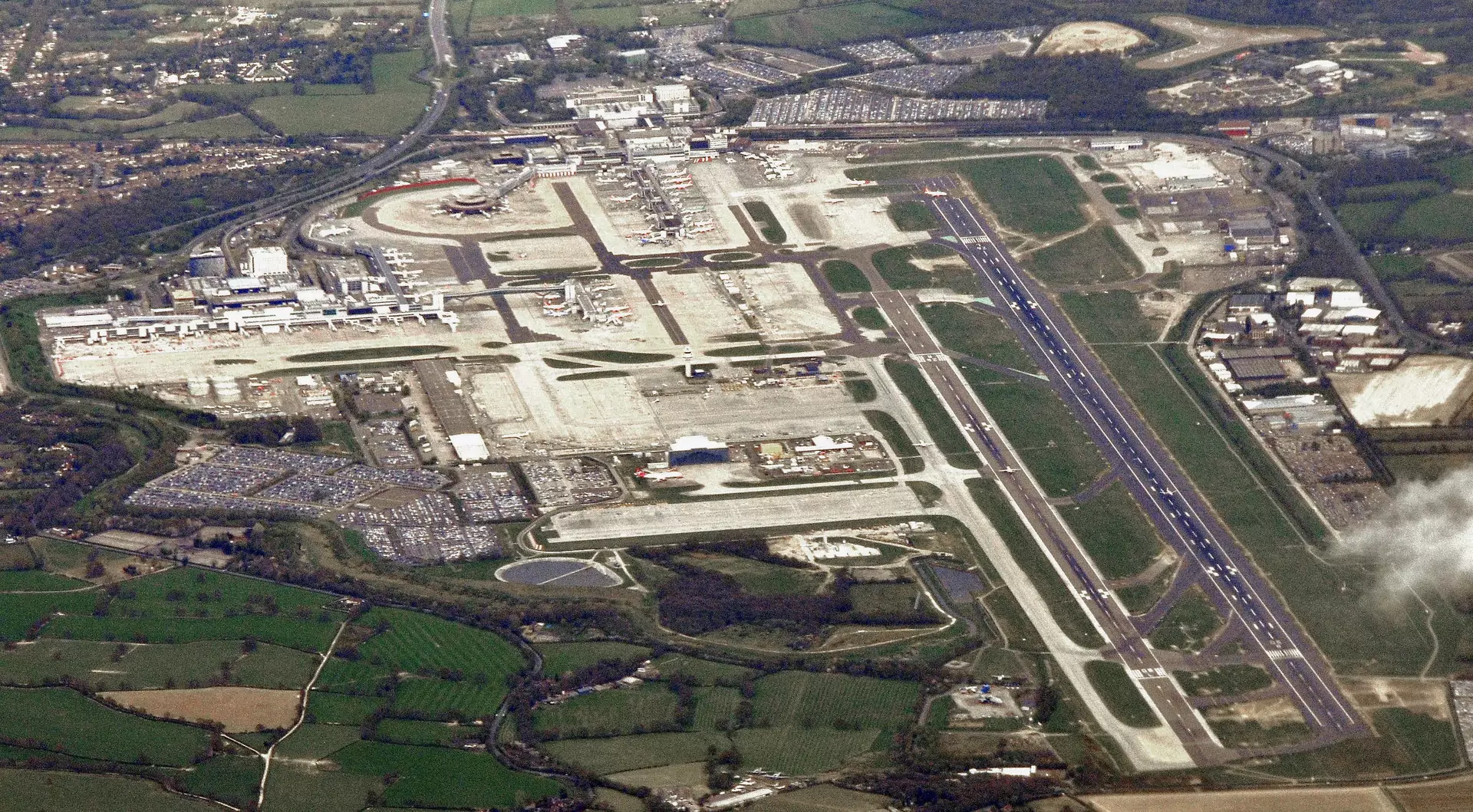
London Gatwick Airport (LGW), about 50 kilometers south of London, is the second busiest in the UK. It operates two terminals and is a critical base for British Airways, easyJet and Norwegian Air Shuttle. Gatwick handles a vast range of international and domestic flights and offers direct rail connections to London Victoria and other parts of the southeast.
London Stansted Airport (STN), situated 50 kilometers northeast of London, is a major hub for Ryanair and primarily serves low-cost European routes. It is connected to London by the Stansted Express train, making it accessible for budget travelers.
London Luton Airport (LTN), 47 kilometers north of central London, serves as another key base for easyJet, Ryanair and Wizz Air. Its strong low-cost carrier presence supports numerous short-haul flights across Europe. Regular buses and shuttle services connect it to London and other regional locations.
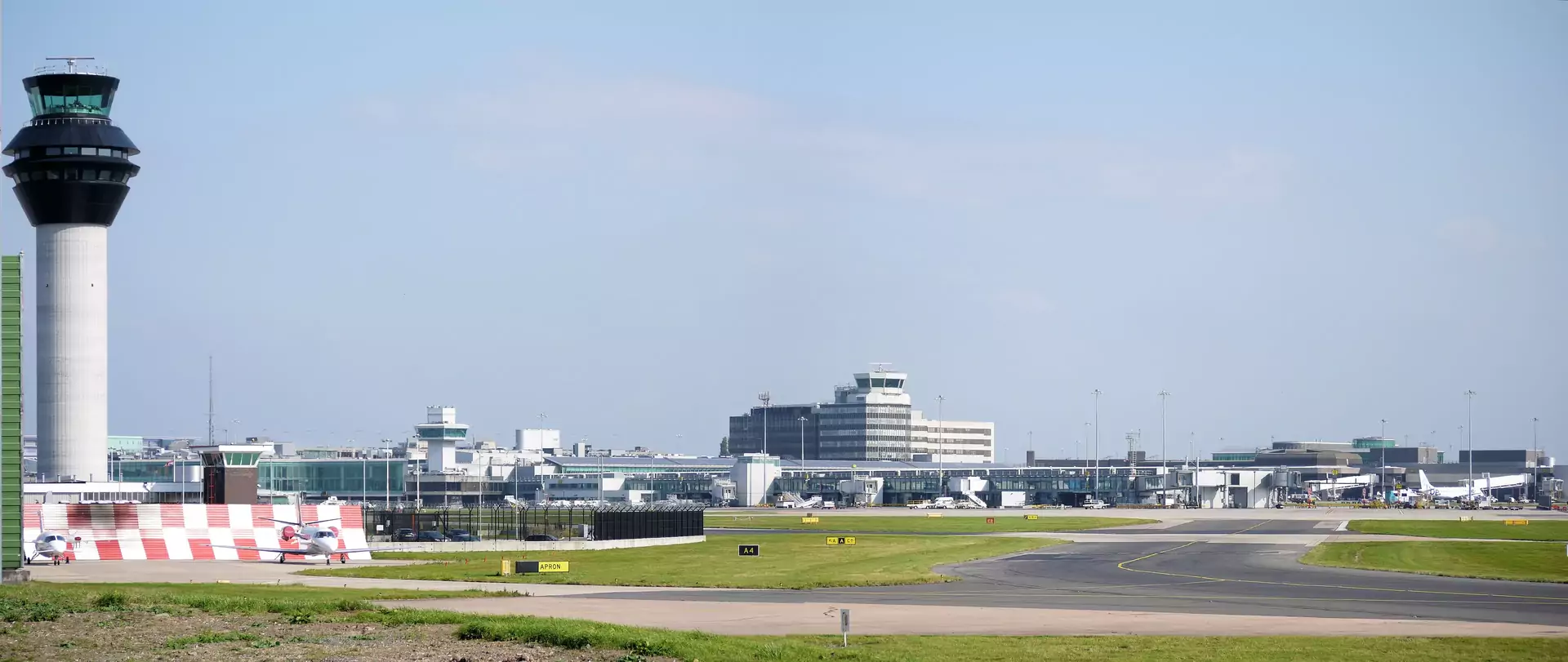
Manchester Airport (MAN), located about 14 kilometers southwest of Manchester city center, is the busiest airport outside London. It offers a broad range of international and domestic flights and serves as a hub for airlines such as Jet2 and Emirates. Manchester Airport has superior transport links through rail and coach services, connecting it with major UK cities.
Other important regional airports include Birmingham Airport (BHX), serving the English Midlands with international and European flights; Edinburgh Airport (EDI), the main gateway to Scotland; and Bristol Airport (BRS), popular for both leisure and business travel. Airports like Newcastle, Glasgow and Belfast International also contribute significantly to regional connectivity.
Low-cost airlines such as Ryanair, easyJet, Jet2 and Wizz Air dominate many of the UK’s secondary airports, offering affordable access to a wide range of European destinations. This has boosted competition, lowered fares and expanded choices for travelers. Efficient ground transport, including frequent train and coach links, makes accessing these airports from major cities straightforward, enhancing the overall UK travel experience for domestic and international passengers.