Belgrade Nikola Tesla Airport is Serbia’s largest and busiest airport, situated near the suburb of Surčin, about 18-19 km from central Belgrade. As the hub for Air Serbia, the airport provides flights to over 50 destinations year-round, with connections peaking near 100 during summer months. It hosts over 30 airlines connecting Serbia to Europe, Africa, North America and Asia. In addition to Air Serbia, Wizz Air maintains a significant presence as a low-cost operator. The airport features two terminals: Terminal 1 primarily serves domestic and low-cost flights, while Terminal 2 handles larger international traffic. Ground transportation to and from Belgrade city includes buses, taxis and regulated taxi services, ensuring ease of access.
The Niš Constantine the Great Airport is Serbia’s second-largest airport, located approximately 4 km from the center of Niš in southern Serbia. Since 2015, Wizz Air operates flights from Niš and Ryanair introduced routes in 2016 connecting Niš with cities such as Bratislava and Berlin. Despite its smaller size, the airport has undergone modernization with expanded boarding and check-in spaces and improved safety systems for adverse weather conditions, strengthening its role as a growing low-cost carrier hub. Transportation options from Niš airport mainly involve taxis and transfers.
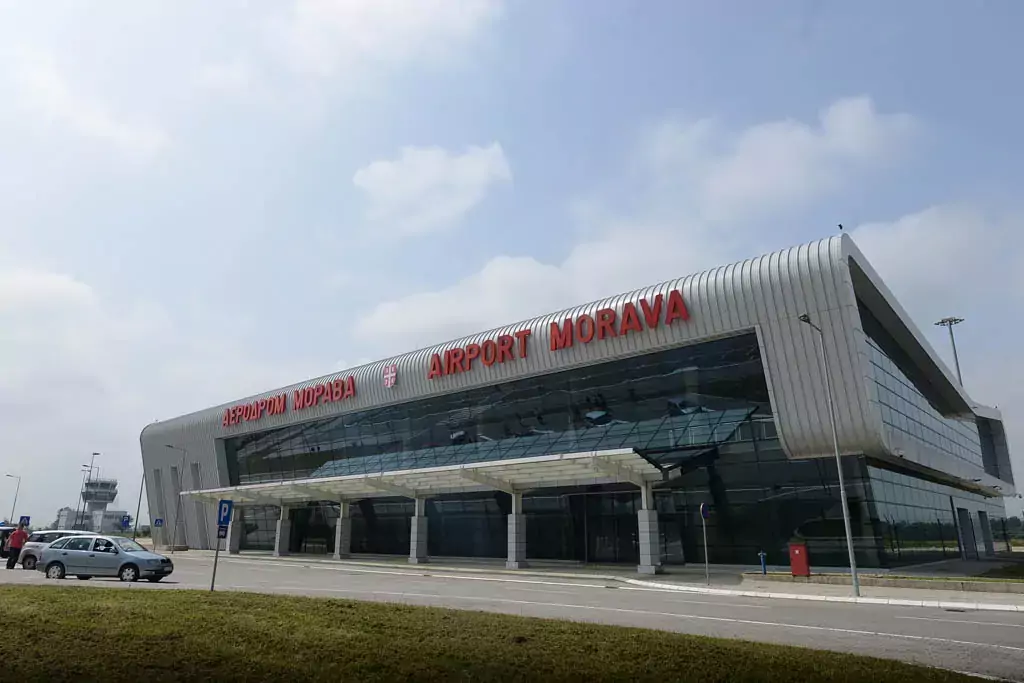
Morava Airport (Kraljevo) carries importance as a revitalized former military airfield that now accommodates commercial traffic, including domestic flights. Positioned roughly between Belgrade and Niš, it plays a role in regional connectivity, especially for cargo and general aviation.
Additional airports such as Ponikve Airport in Užice and smaller airfields across Serbia contribute to domestic and cargo aviation, boosting connectivity in more remote or mountainous regions. Collectively, Serbia’s airports offer a mix of regional accessibility and international reach, shaped by the national carrier’s presence, evolving low-cost services and continual infrastructure upgrades. This network supports not only passenger travel but also cargo and military operations, making Serbia a strategic aviation node in the Balkans.