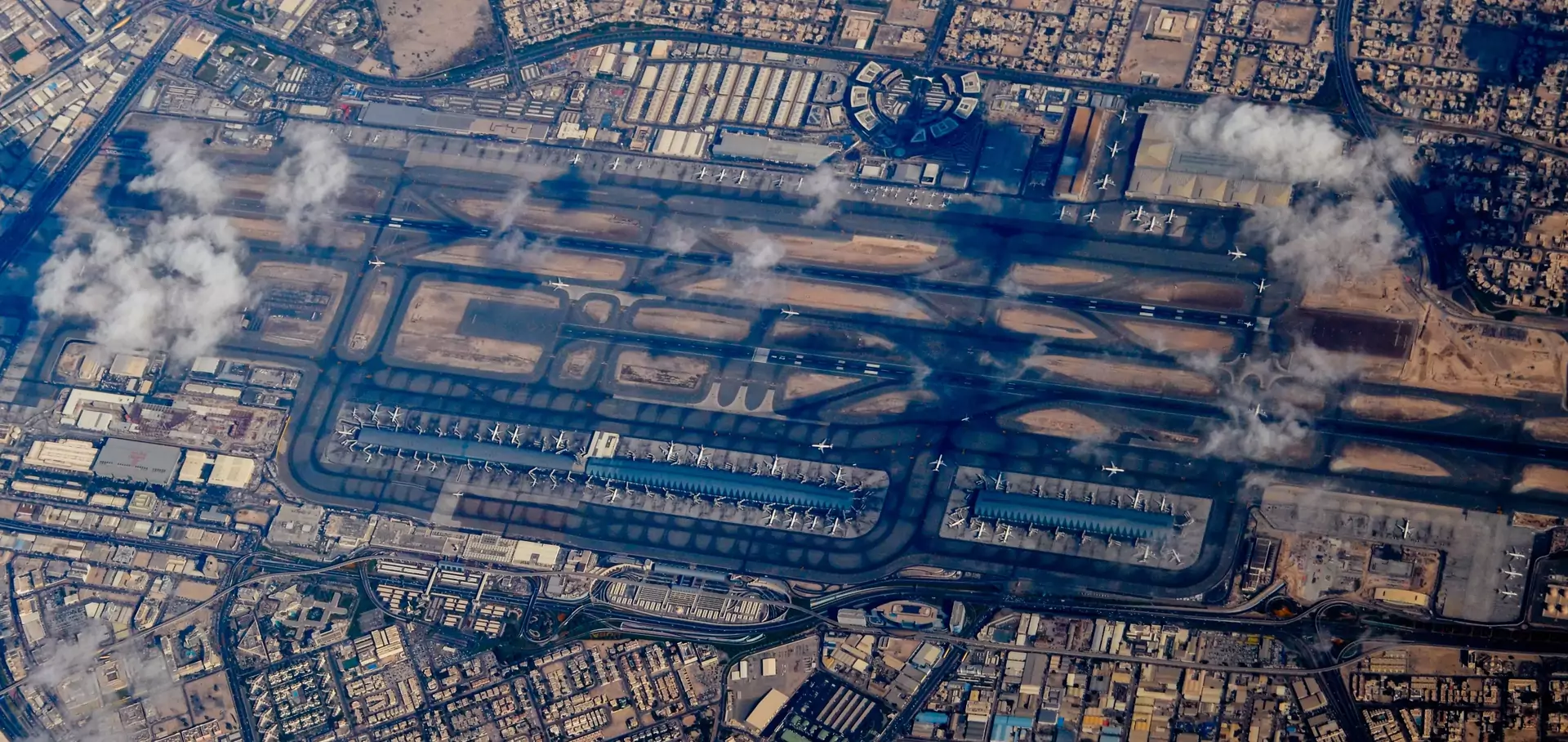
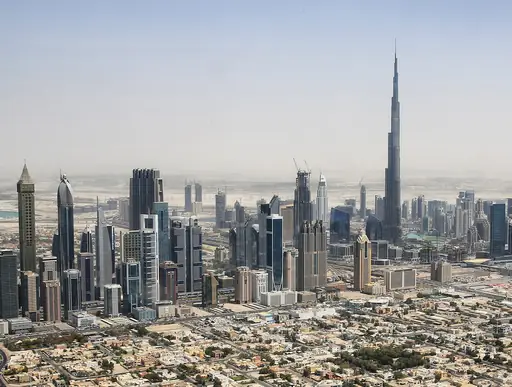
Dubai International Airport (DXB) is the UAE’s busiest airport and one of the busiest in the world for international passenger traffic. Located in the Deira district, 4.6 miles from downtown Dubai, it serves as the primary hub for Emirates Airline and Flydubai, the country’s leading full-service and low-cost carriers respectively. The airport has three terminals, including the world’s largest terminal dedicated exclusively to Emirates, known for its state-of-the-art facilities and luxury services. DXB handles over 90 million passengers annually, connecting to more than 270 destinations across all continents. It is renowned for its smooth transfer processes, extensive shopping, dining options and premium lounges. Plans are underway for Dubai World Central (Al Maktoum International Airport) to take over as the primary airport, with DWC expected to become the world’s largest in the future.
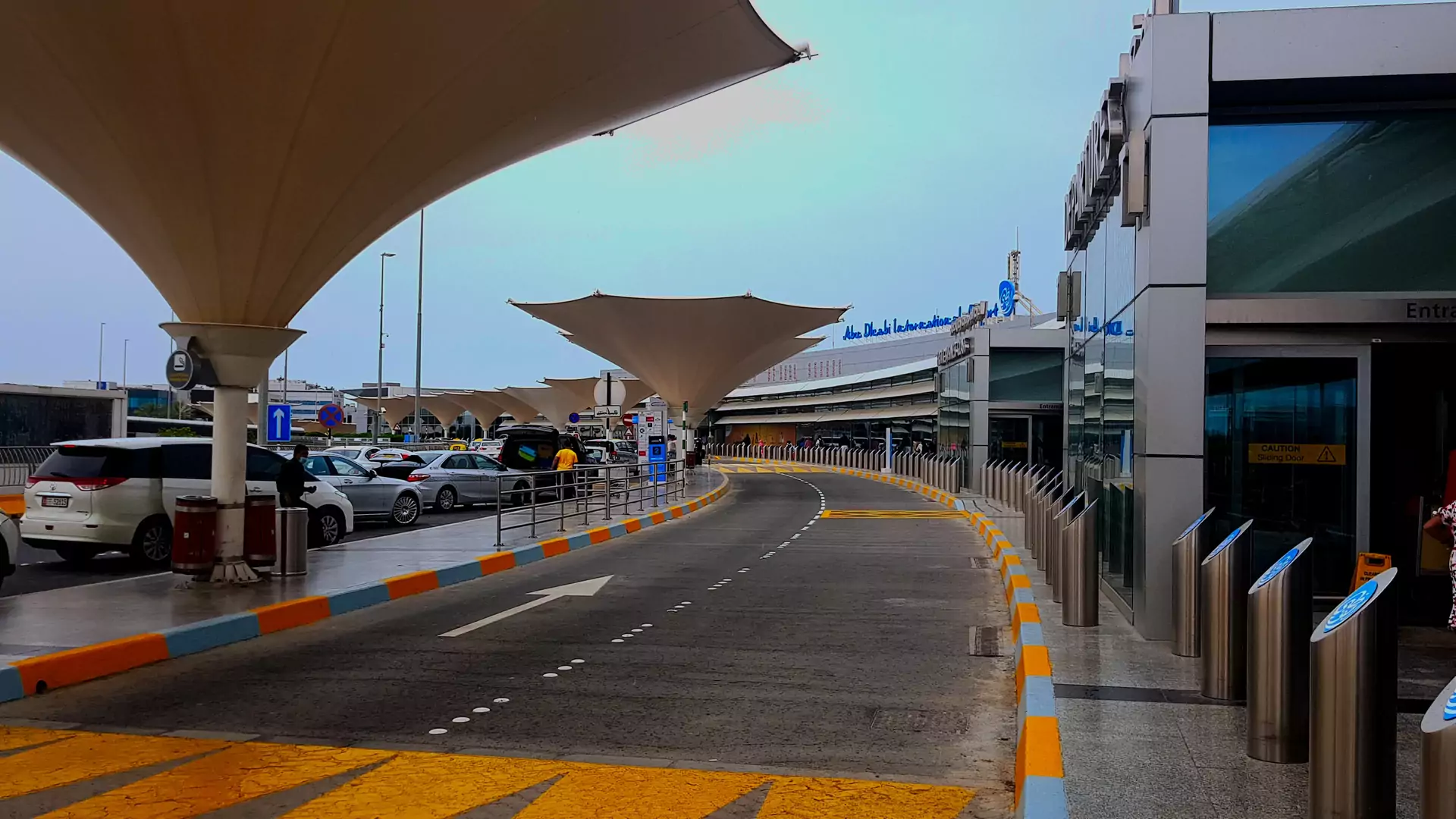
Abu Dhabi International Airport (AUH), also known as Zayed International Airport, is the main airport serving the UAE’s capital. Situated about 20 miles east of Abu Dhabi city center, it functions as the hub for Etihad Airways, the national carrier. AUH caters to both long-haul and regional flights, offering connections to destinations in Europe, Asia, Africa and the Americas. The airport provides luxurious passenger amenities including VIP lounges, family zones and advanced security technologies. The expanding airport supports growing business and tourism traffic and is complemented by several smaller airports in the emirate.
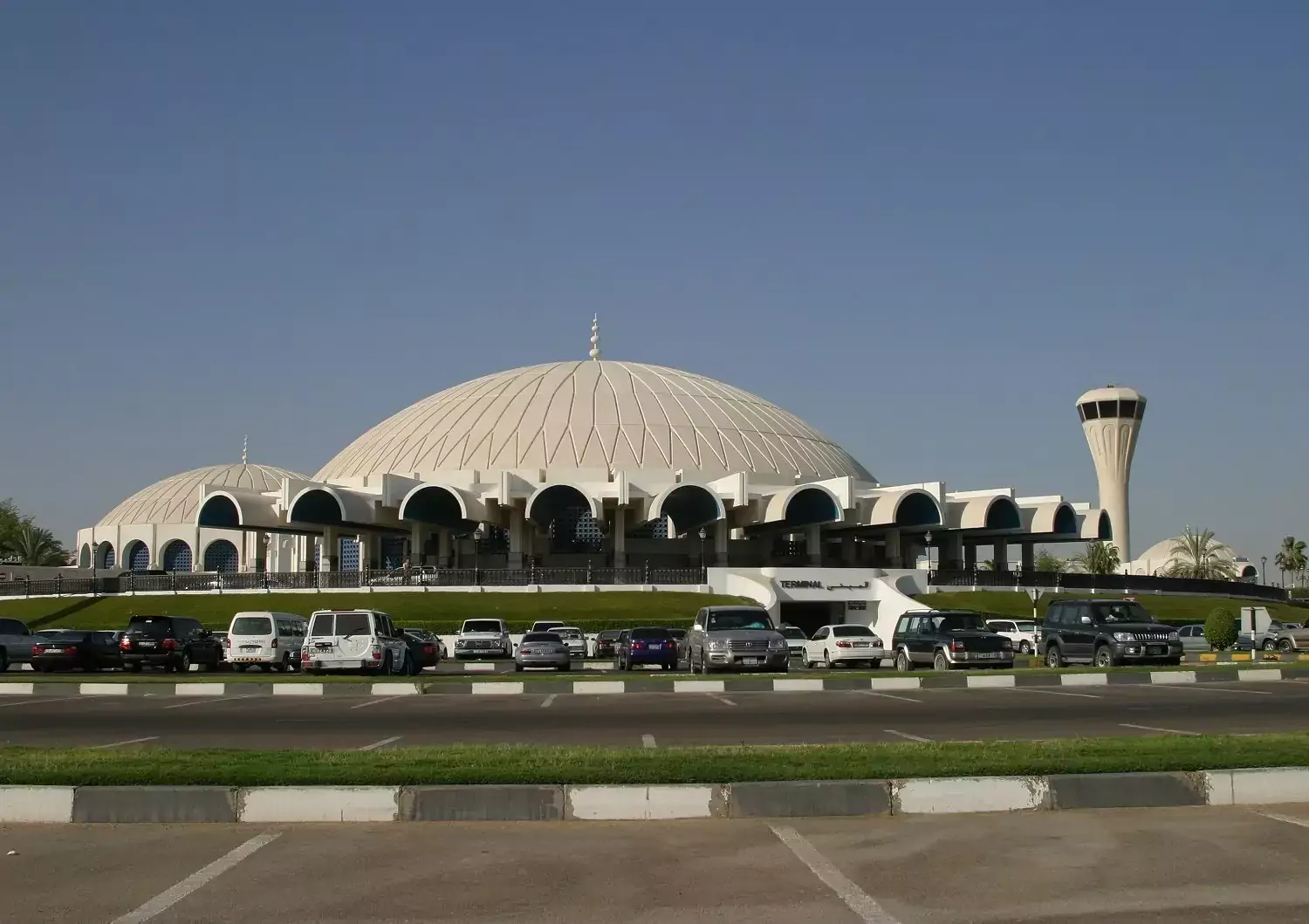
Sharjah International Airport (SHJ) serves the northern emirates and acts as a major hub for low-cost carrier Air Arabia, one of the region’s top budget airlines. Located around 6 miles from Sharjah city, SHJ offers a wide range of regional flights across the Middle East, North Africa and South Asia. The airport features modern facilities designed to handle both passenger and cargo flights and is favored by budget travelers due to its competitive airfares and connections. It provides an important alternative to the busier Dubai and Abu Dhabi airports.
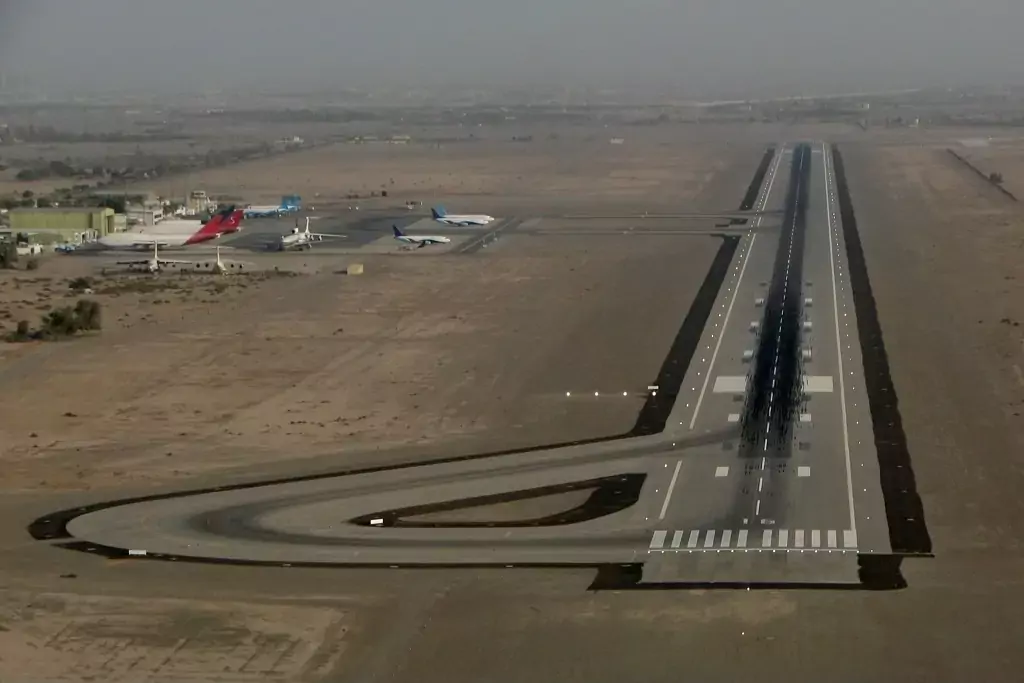
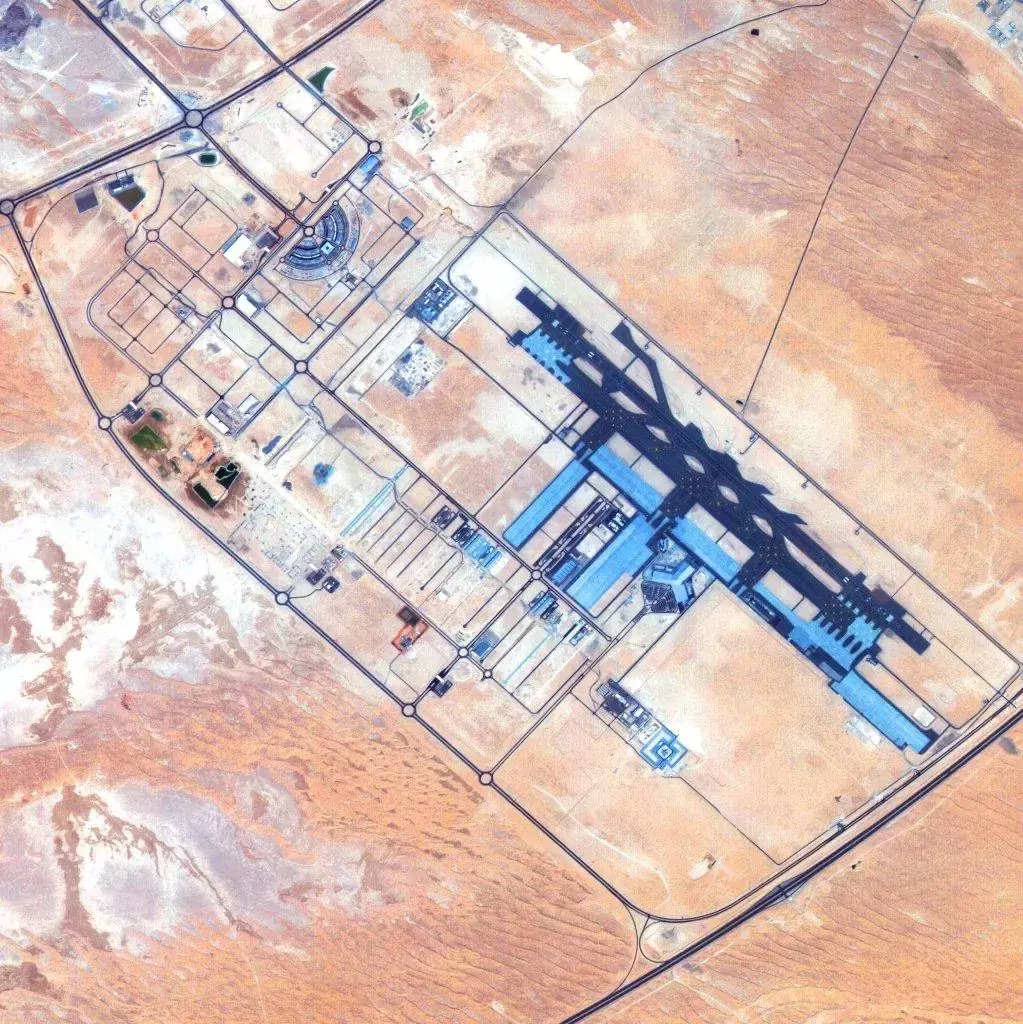
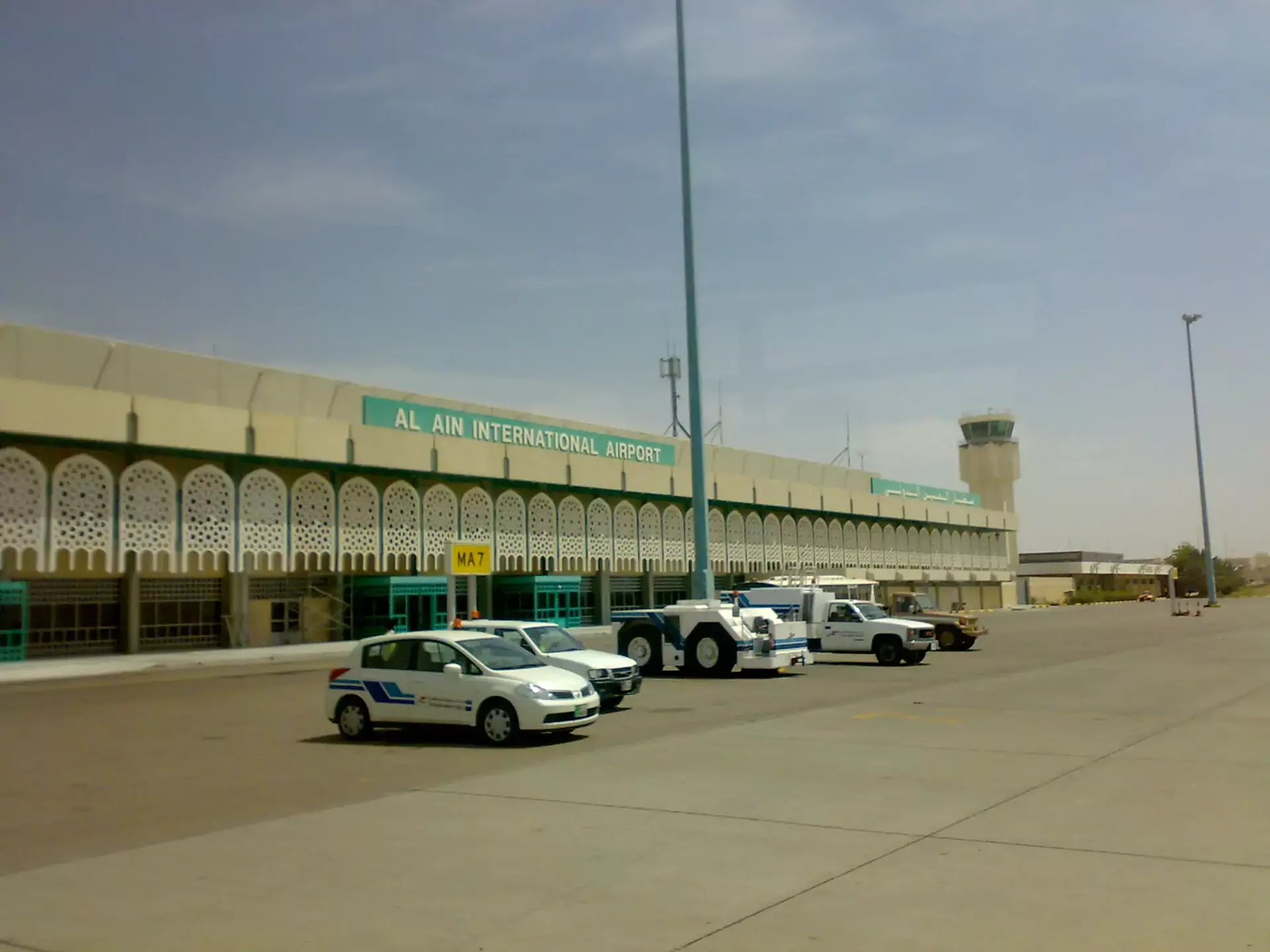
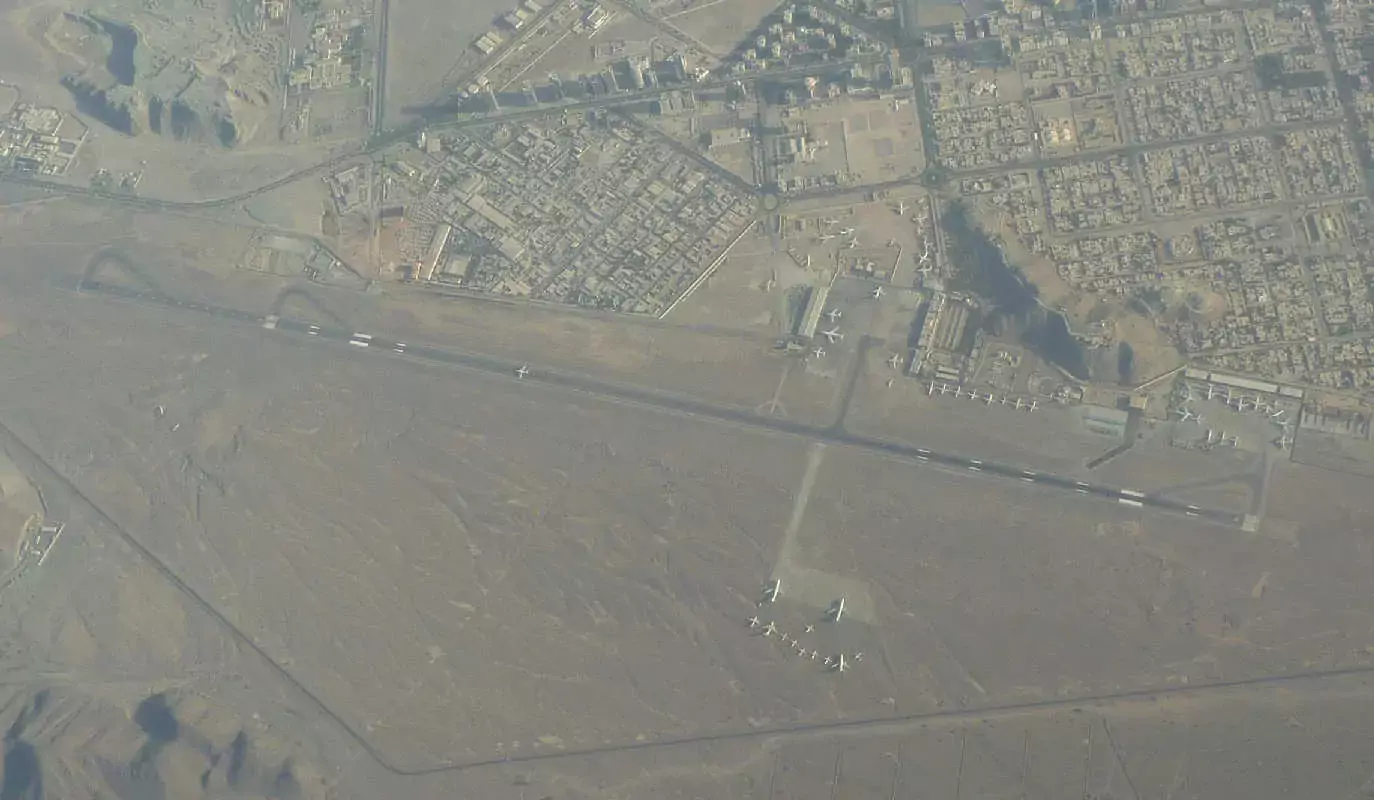
Additional airports in the UAE include Al Maktoum International Airport (DWC) in Dubai, which is rapidly expanding and positioning itself to become the world’s largest airport by passenger capacity and cargo volume. Other facilities such as Al Ain International Airport support domestic and regional traffic. Together, these airports form a highly efficient and connected network that supports the UAE’s ambitions as a global transport and tourism hub, facilitating imports, exports and passenger transit with cutting-edge technology and exemplary service standards.