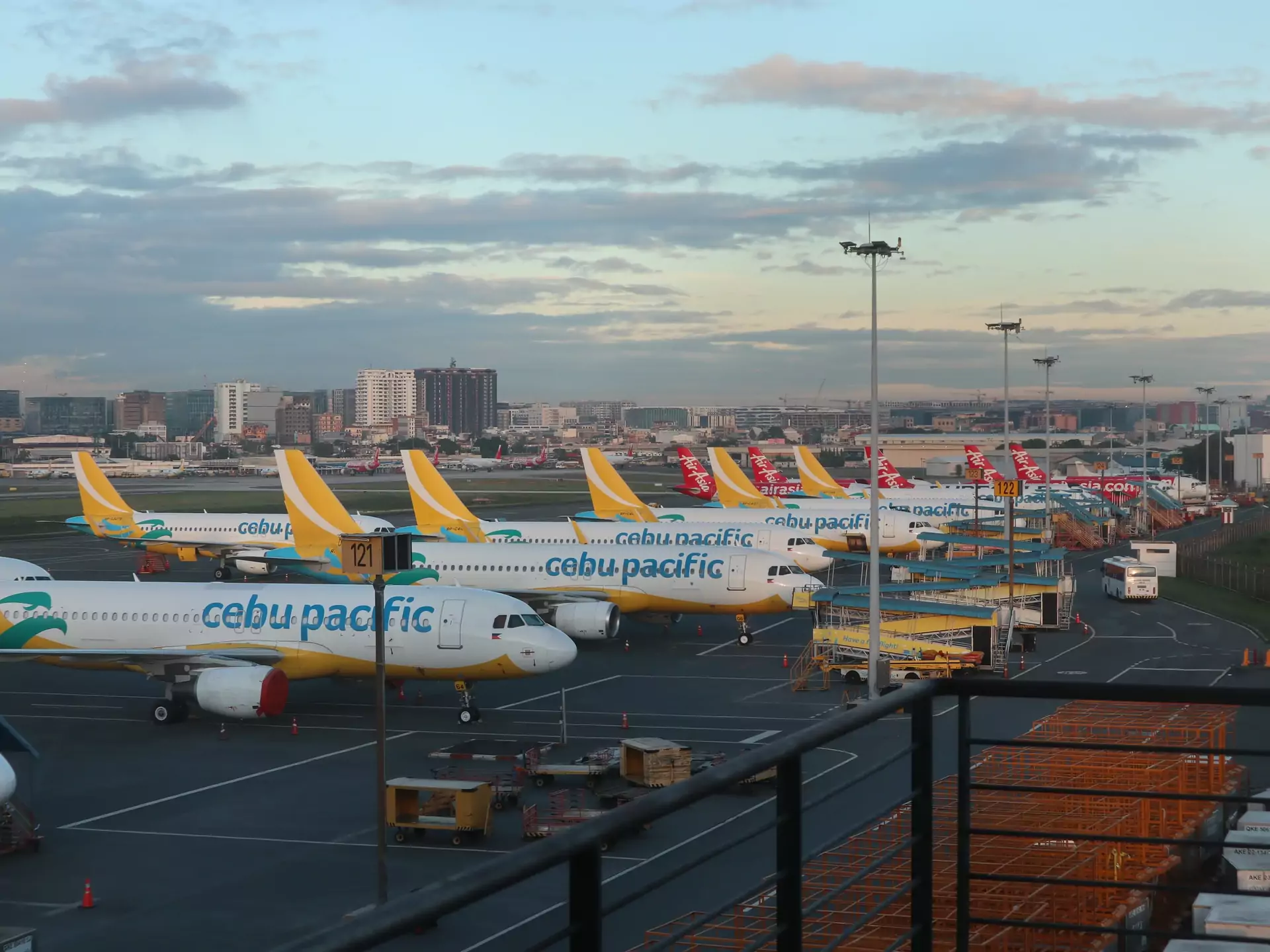
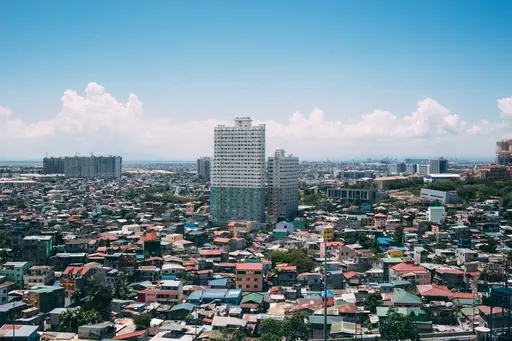
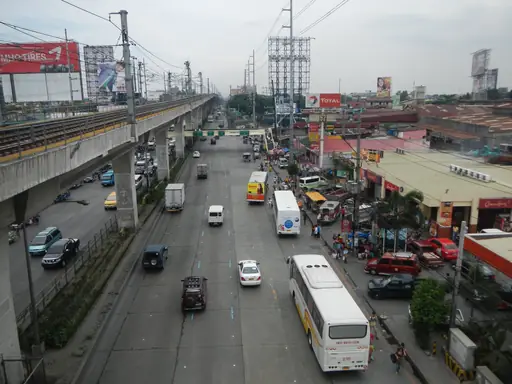
The primary international gateway of the Philippines is the Ninoy Aquino International Airport (NAIA) situated in the cities of Pasay and Parañaque, just 7 kilometers south of Manila’s city center. NAIA is the busiest airport in the country, accommodating around 47 million passengers annually. It has multiple terminals serving both international and domestic flights and is a central hub for Philippine Airlines, Cebu Pacific and AirAsia Philippines. NAIA offers extensive connections to Asia, North America and the Middle East. Ground transportation links include taxis, airport shuttle buses and the city’s Light Rail Transit (LRT), facilitating easy access to Manila and nearby provinces.
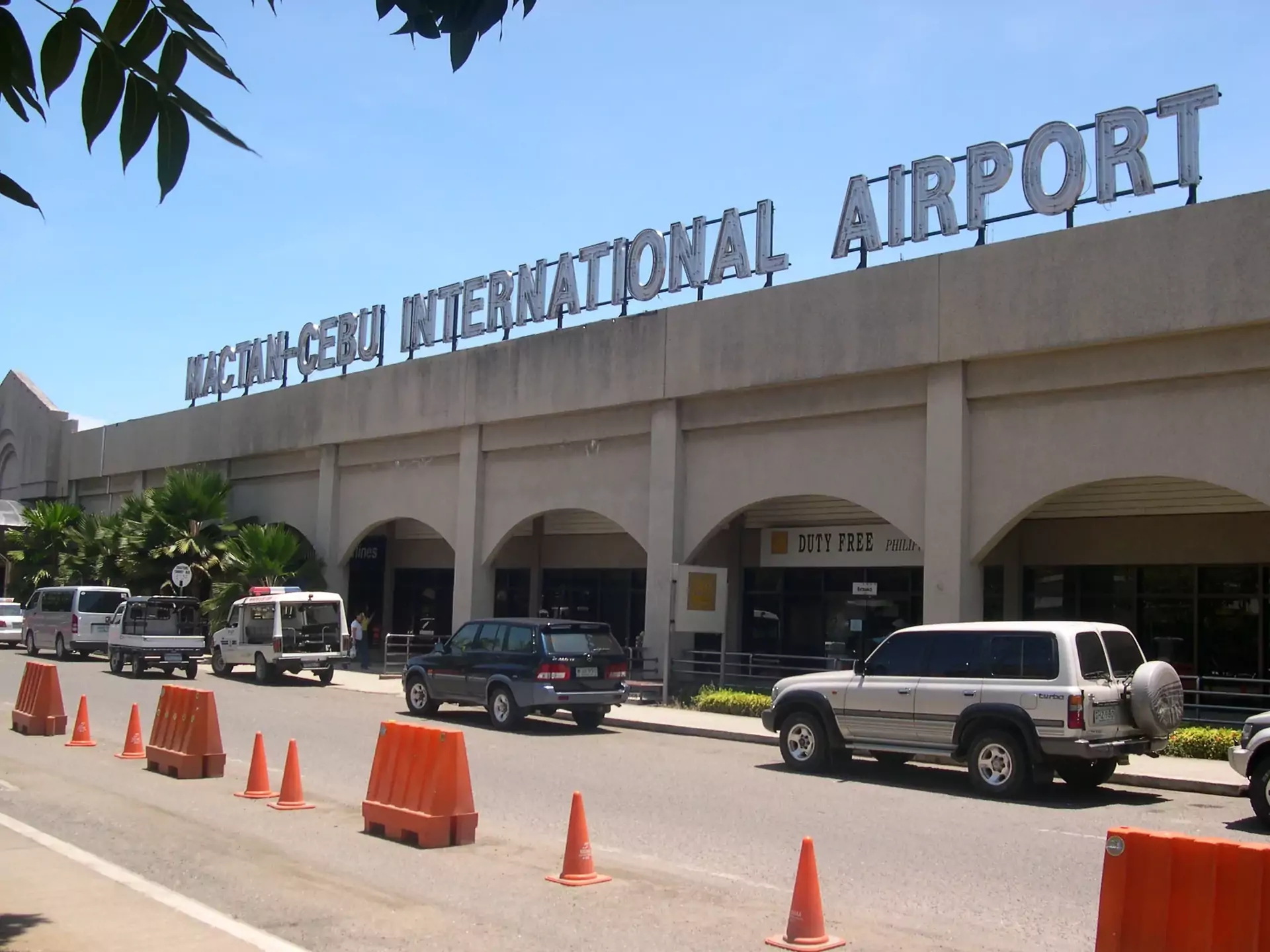
Another major hub is the Mactan-Cebu International Airport (CEB), which serves Cebu and the Central Visayas region. It is the second busiest airport, functioning both as a hub for Philippine Airlines and a base for Cebu Pacific and other carriers. With two terminals handling domestic and international flights, it provides connections to key cities in the Philippines as well as to destinations across Asia, including Hong Kong, Singapore and Tokyo. From Mactan, travelers can easily reach the region’s beaches and tourist spots, including the islands of Bohol and Mactan itself.
Palawan's Puerto Princesa International Airport (PPS) acts as the gateway to one of the nation’s most famous tourist destinations, including the UNESCO World Heritage sites like the Underground River. It is strategically located near Puerto Princesa City and connects to major Philippine cities via domestic flights, serving millions of tourists yearly.
In Northern Mindanao, Laguindingan Airport (CGY) connects cities such as Cagayan de Oro and Iligan to other parts of the country. It is served mainly by Cebu Pacific and Philippines AirAsia, with shuttle services facilitating transport to nearby urban centers.
Popular low-cost carriers such as Cebu Pacific, Philippines AirAsia and the regional Sunlight Air have grown substantially, promoting budget travel across an extensive domestic route network. Clark International Airport (CRK), located north of Manila, has also emerged as a growing hub for low-cost and international carriers, offering alternatives to NAIA with flights to destinations such as Seoul, Hong Kong and several Philippine cities.
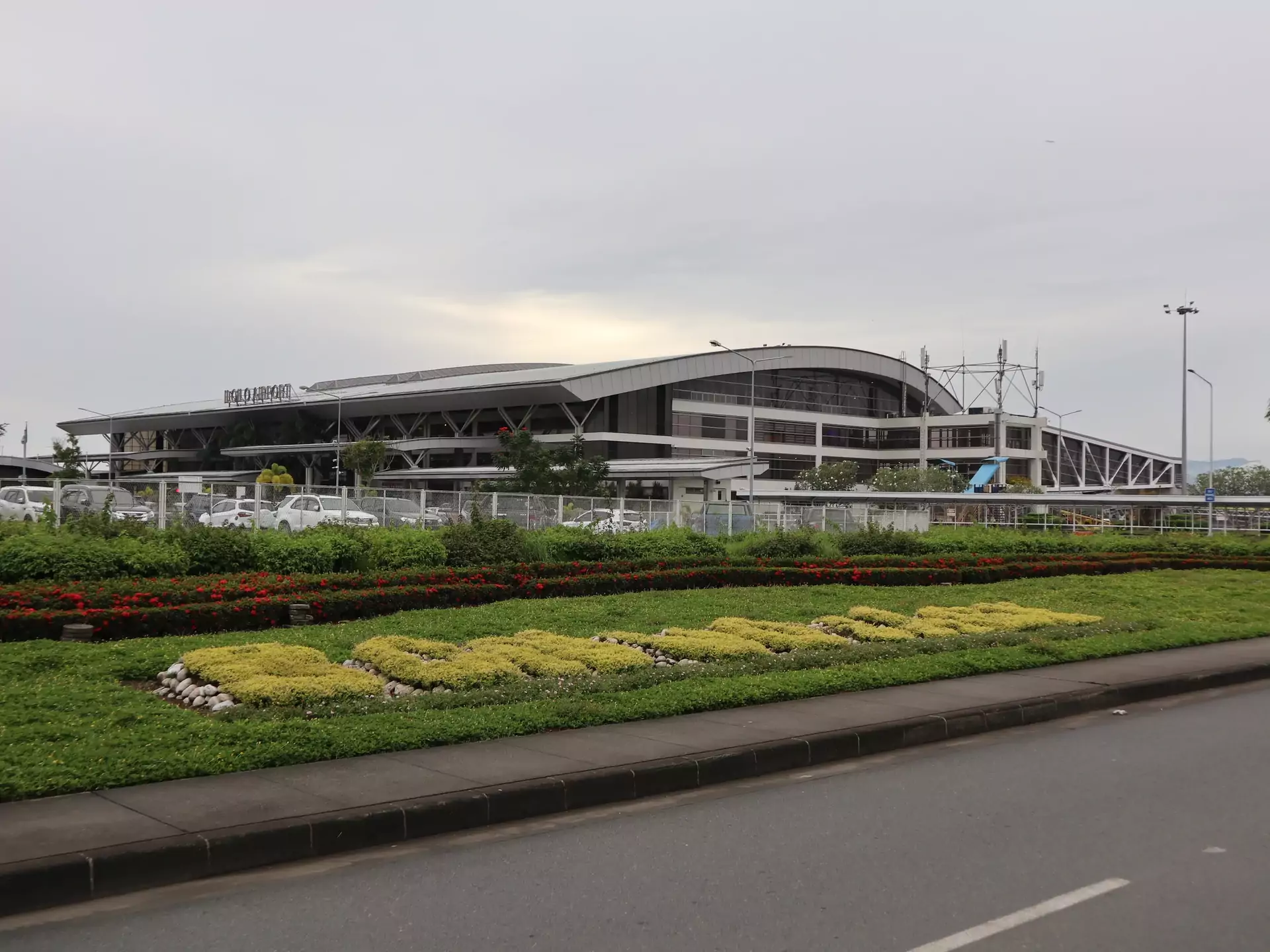
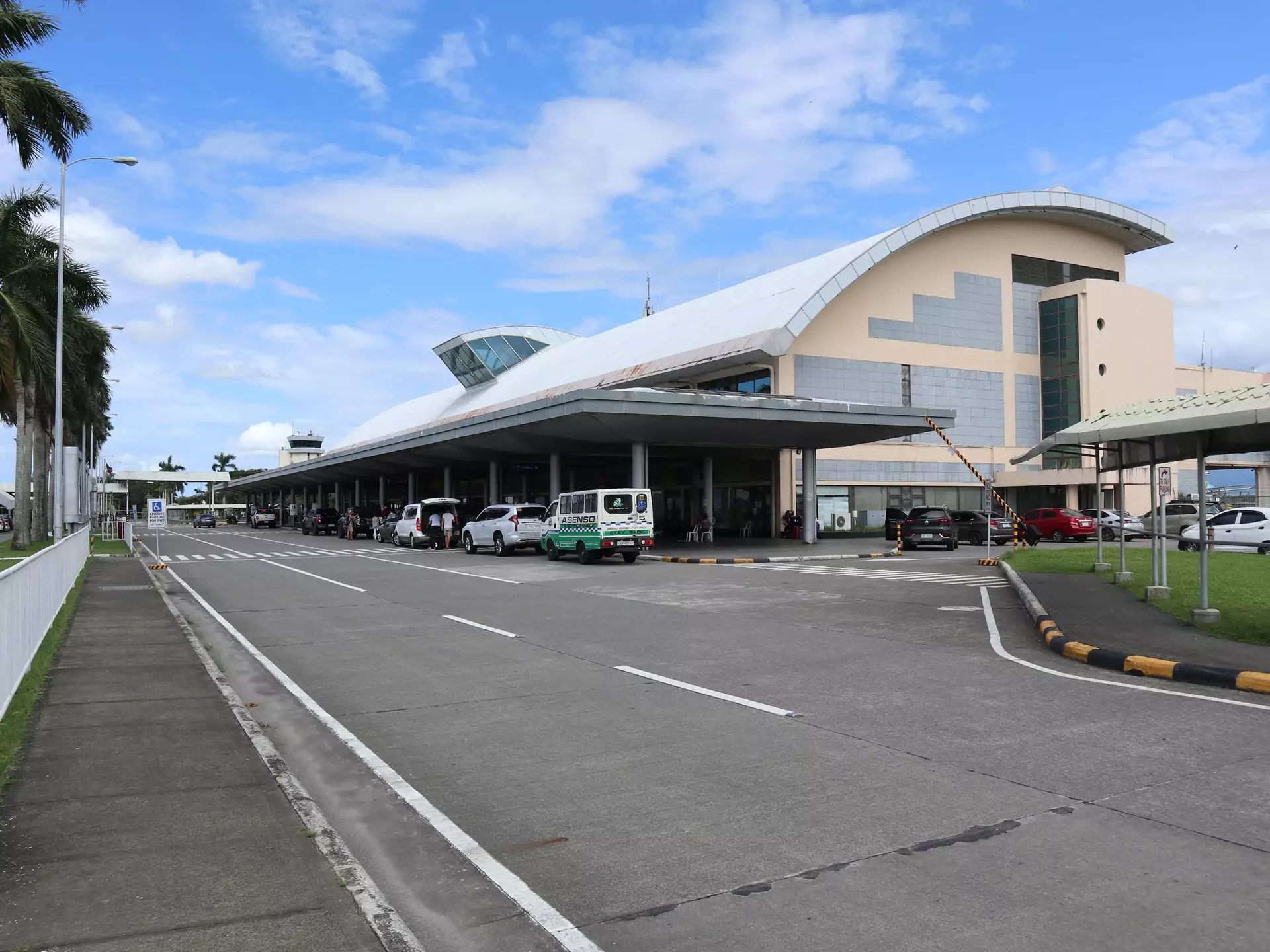
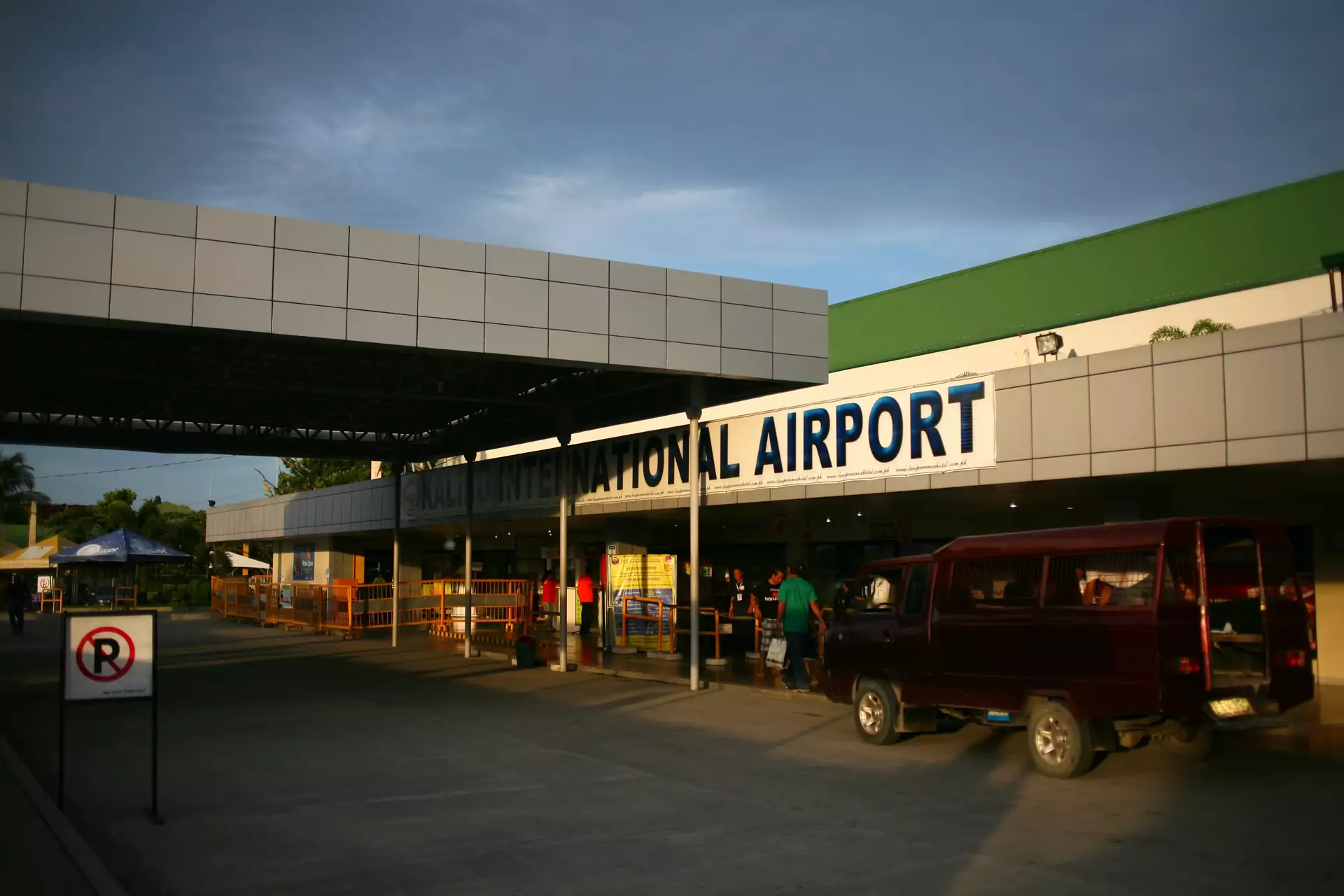
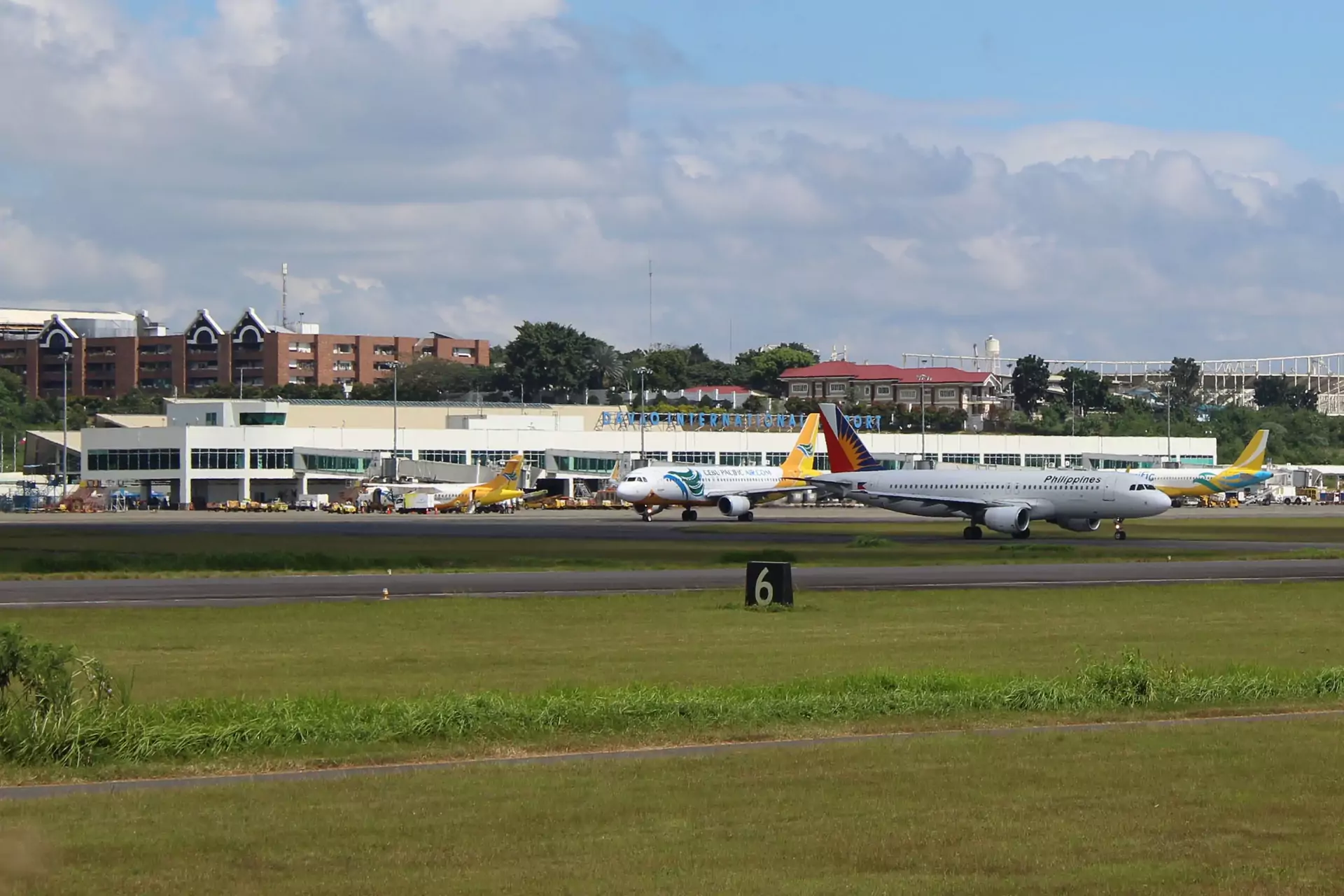
Other regional airports, including those in Davao, Bacolod, Iloilo and Zamboanga, support growing passenger volumes and enhance regional connectivity, securing the Philippines as one of the most accessible island destinations in Asia, with a rich network of airports tailored to diverse travel needs.