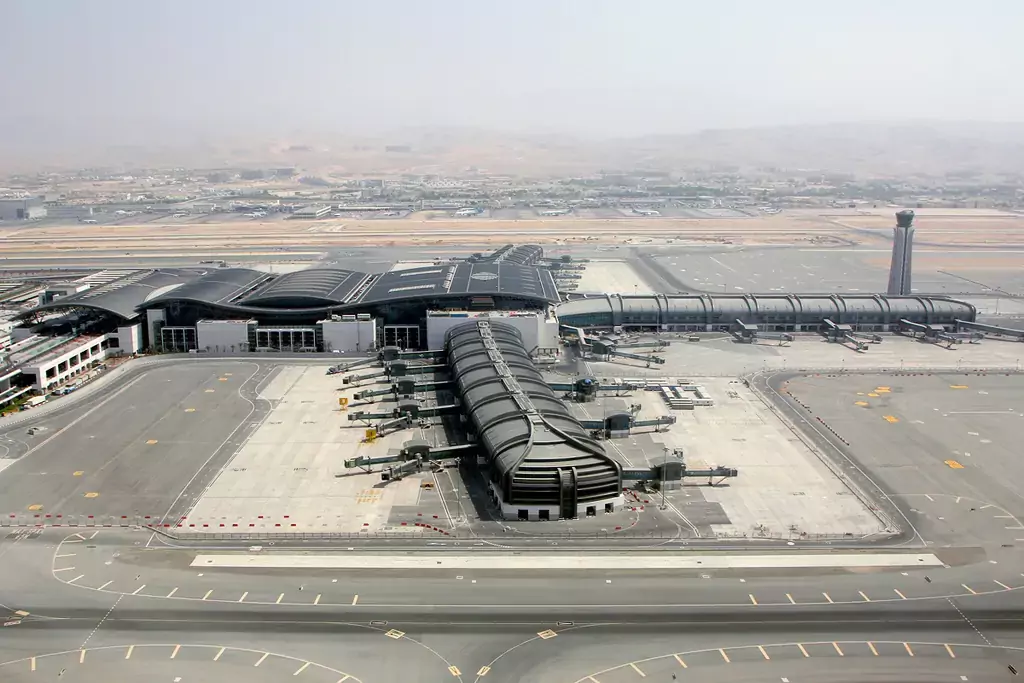
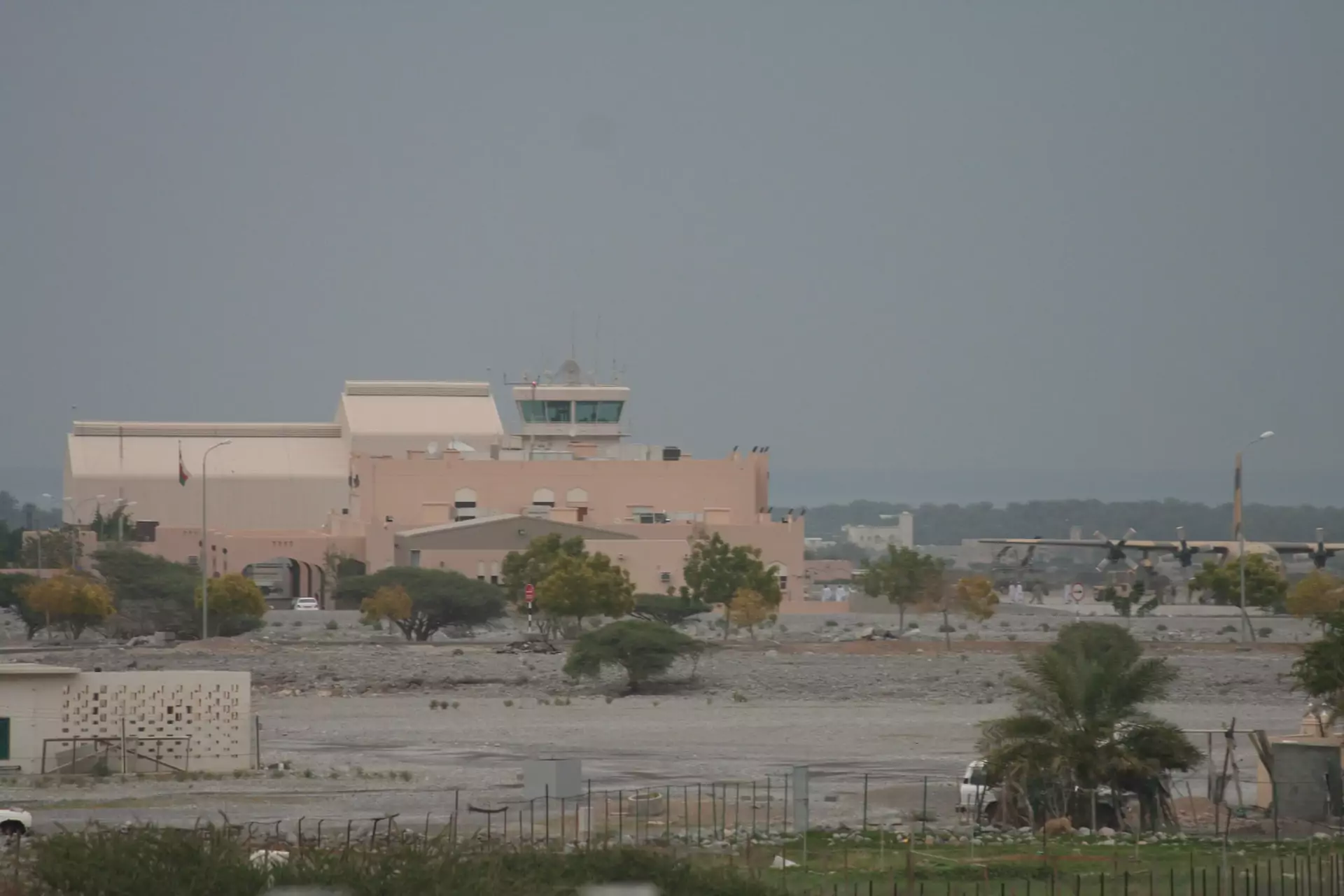
Muscat International Airport stands as Oman's premier aviation gateway, located 32 kilometers from the capital city in the Seeb province. This magnificent facility, inaugurated in 2019, serves as the main hub for the national flag carrier Oman Air and the country's first budget airline, Salam Air. The airport's striking terminal design, spanning 580,000 square meters and resembling traditional Bedouin tents, can accommodate 20 million passengers annually with potential expansion to 56 million. With 59 aircraft stands, 118 check-in counters and advanced baggage handling systems processing 5,200 bags per hour, it connects Oman to over 40 destinations across Europe, Asia, Africa and the Middle East. Major international carriers including Emirates, Qatar Airways, Etihad Airways and Turkish Airlines operate from this world-class facility.
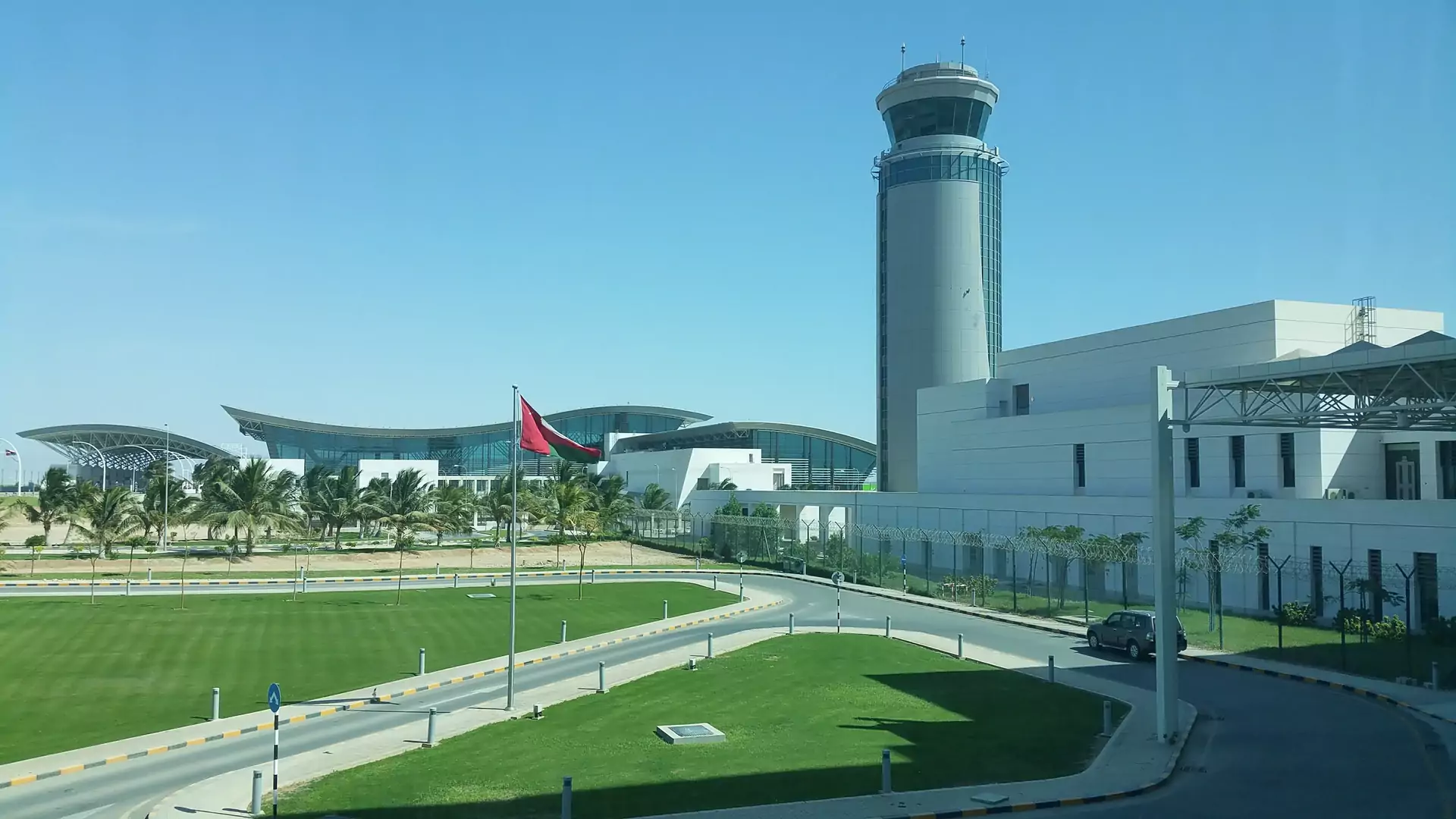
Salalah International Airport serves as the aviation hub for southern Oman, particularly the Dhofar region famous for its unique monsoon season known as Khareef. Located in the country's second-largest city, this airport has undergone significant modernization with new passenger and cargo terminals. During the annual Khareef season from June to September, flight operations intensify dramatically, with Oman Air operating up to 12 daily flights and SalamAir scaling up to 8 daily services. The airport serves as a crucial gateway for tourists seeking to experience Oman's lush southern landscapes, frankincense heritage and cooler monsoon climate that transforms the typically arid region into a green paradise.
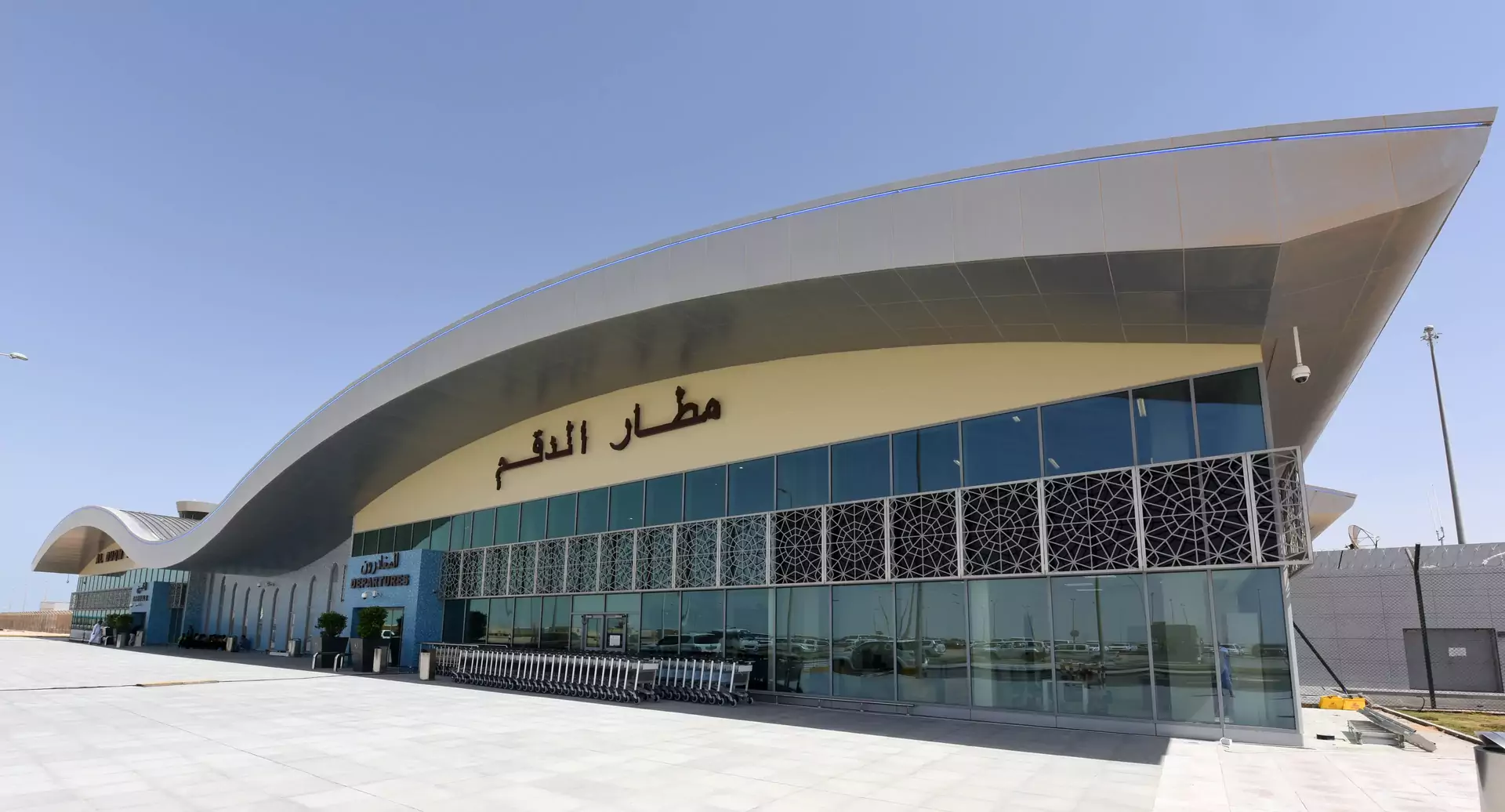
Duqm International Airport represents Oman's vision for economic diversification, strategically positioned in the Special Economic Zone at Duqm along the central coast. This growing aviation hub supports the development of the Duqm industrial complex and port facilities, serving both passenger and cargo operations. The airport plays a vital role in connecting the emerging industrial center with domestic and international markets, facilitating business travel and cargo movement essential for the zone's petrochemical, logistics and manufacturing sectors.
Sohar International Airport serves northern Oman and the important port city of Sohar, another key industrial hub in the sultanate. SalamAir operates direct flights between Sohar and Salalah, particularly during peak seasons, providing convenient connections for both business travelers and tourists. The airport supports the region's industrial activities while offering access to the northern coastline's pristine beaches and mountain landscapes.
Khasab Airport provides essential connectivity to the remote Musandam Peninsula, often called the 'Norway of Arabia' for its dramatic fjord-like landscapes. This domestic airport serves as the primary air link to the enclave, which is separated from the rest of Oman by UAE territory. The facility enables tourists to access this spectacular region known for its traditional dhow cruises, dolphin watching and rugged mountain scenery, while also serving the local population's transportation needs.