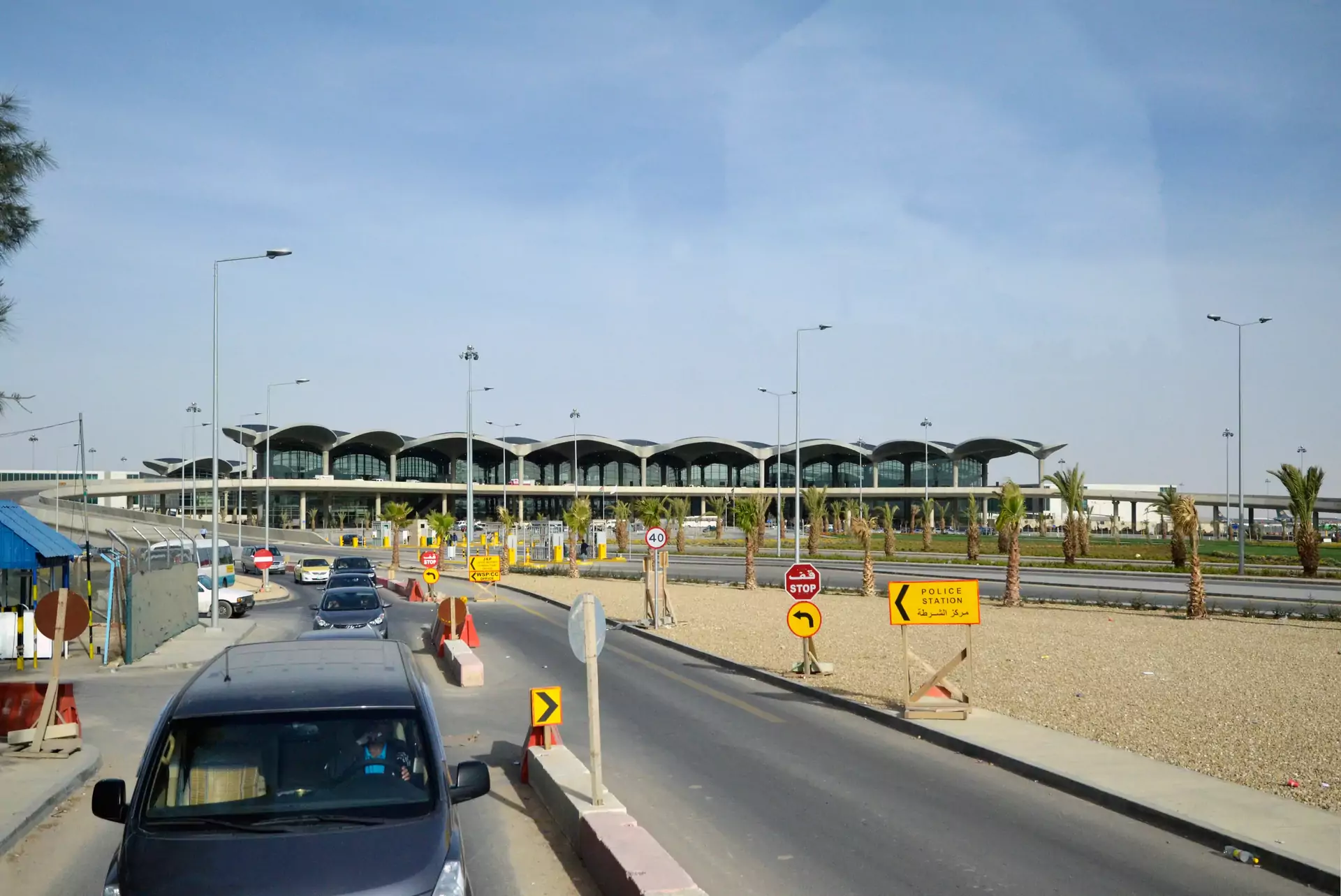
The primary international gateway in Jordan is Queen Alia International Airport, located around 35 kilometers south of Amman. As the country’s largest and busiest airport, Queen Alia handles the vast majority of long-haul and regional flights. It’s a hub for Royal Jordanian, the national airline, which flies to major cities in Europe, North America, the Gulf and regional capitals. The airport offers modern passenger amenities, efficient immigration and ground transportation links – including airport buses and taxis – to Amman, Zarqa and the northern highlands. Many travelers start their Jordanian journeys here, making it the most popular entry point for business and leisure visits alike.
On the southern coast, King Hussein International Airport serves the port city of Aqaba and is the principal air link for travelers heading to the Red Sea. This airport is crucial for tourists visiting the beaches, resorts and diving destinations of Aqaba, as well as the famed desert landscapes of Wadi Rum and Petra in the south. King Hussein has seasonal flights to European cities and regular connections to Amman, with services offered by Royal Jordanian and Jordan Aviation. The airport’s strategic proximity to Eilat in Israel also makes it an option for border crossings and regional itineraries.
For those seeking direct access to popular pilgrimage and adventure destinations, Marka International Airport (also known as Amman Civil Airport) is a compact airport situated closer to downtown Amman. Once the main airport for the capital, it now caters mostly to charter, domestic and light commercial flights – primarily used by business travelers, government delegations and short hops within the country. While not a main international hub, Marka’s role is integral for quick commuter flights and private aviation.
While Jordan does not have a strong presence of ultra-low-cost airline bases, Queen Alia occasionally hosts seasonal routes by budget carriers such as Air Arabia and flydubai, offering more affordable connections to Gulf cities and select European destinations. Travelers preferring budget options often find better deals on regional airlines or by flying into nearby countries and connecting overland. With extensive ground transportation – including car hire, public buses and private transfers – Jordan’s airports are well linked to major tourist sites and urban centers.
Each airport in Jordan stands out for its commitment to safety, service and passenger experience. Whether arriving for a desert adventure, archaeological exploration or coastal leisure, travelers will find reliable facilities, friendly staff and fast links to their next destination. From cosmopolitan Amman to the dramatic Red Sea coast, Jordan’s airport network ensures smooth arrivals and departures year-round.