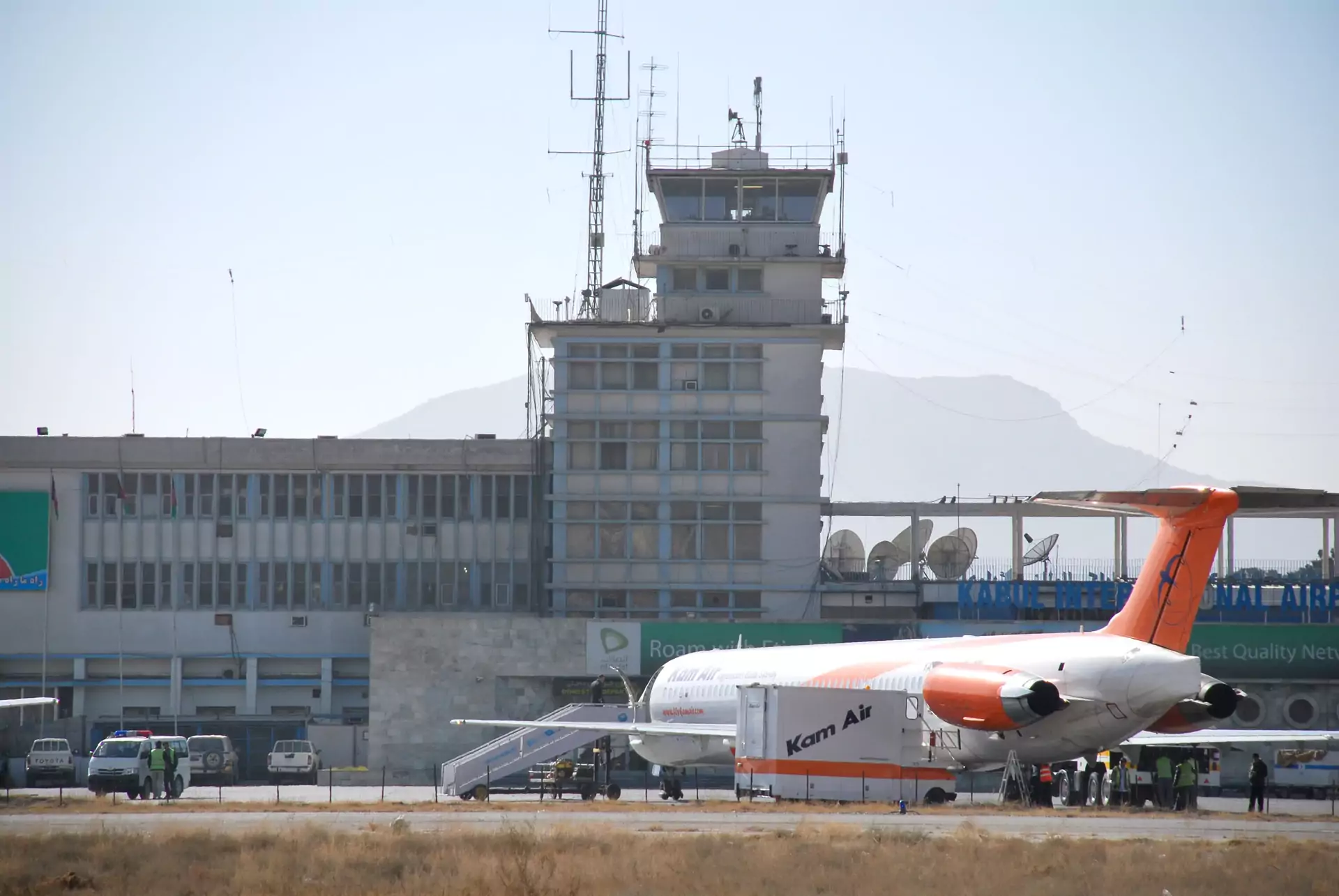
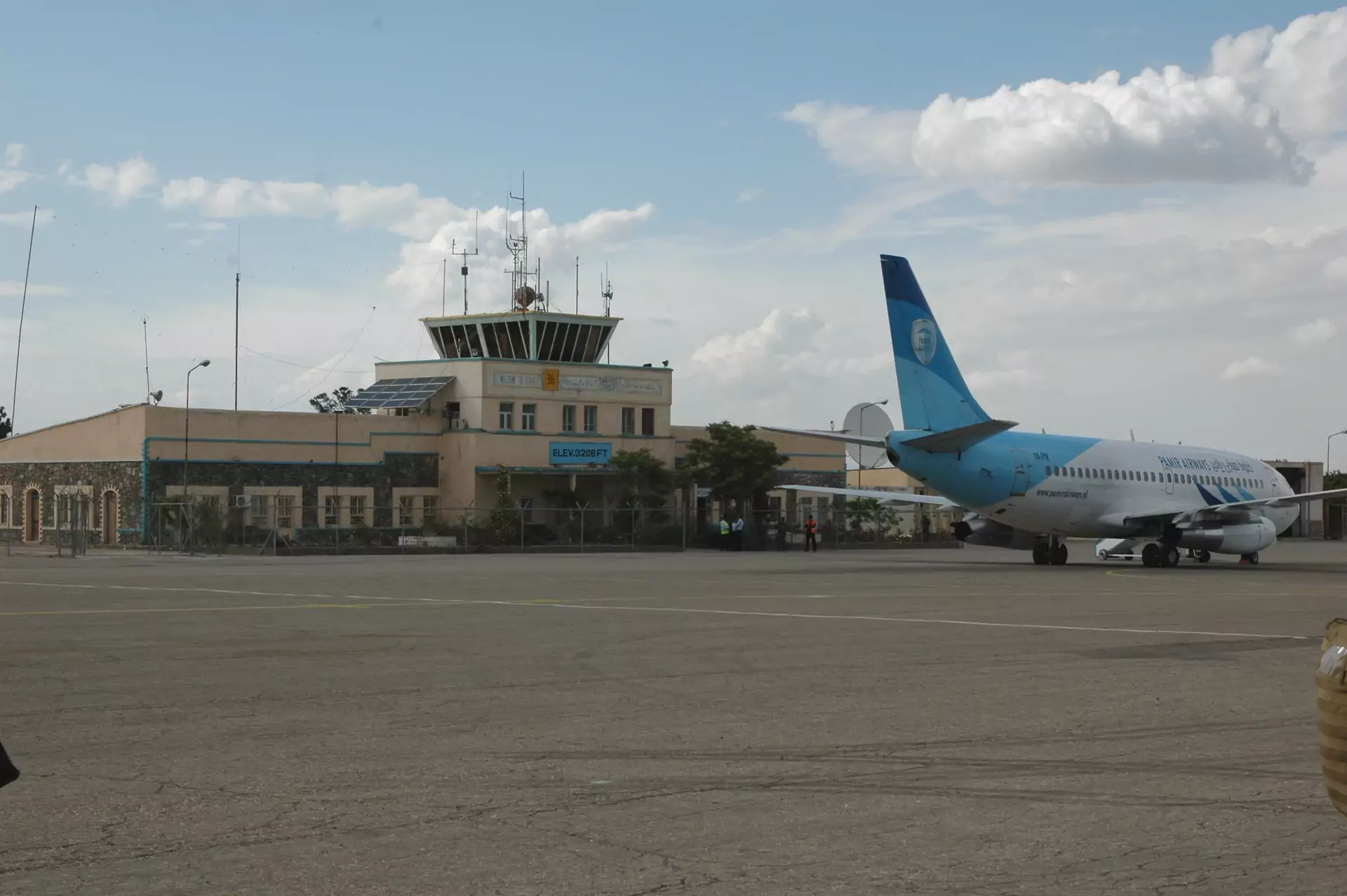
The most prominent airport in Afghanistan is the Hamid Karzai International Airport (KBL), located in Kabul, the capital and largest city. This airport is the country’s main international gateway, handling flights to key destinations in the Middle East, South Asia and Central Asia. It serves as the main base for Afghan national carriers such as Ariana Afghan Airlines and Kam Air, both providing domestic and international services. Efficient road connections link the airport to Kabul’s urban core and surrounding provinces, making it a crucial transport hub.
In the western part of the country, Herat International Airport (HEA) serves the city of Herat and connects the region to neighboring Iran and domestic locations. This airport has played an important role in facilitating humanitarian efforts and is one of the larger airports outside Kabul, supporting regular commercial flights primarily operated by Kam Air and Ariana Afghan Airlines.
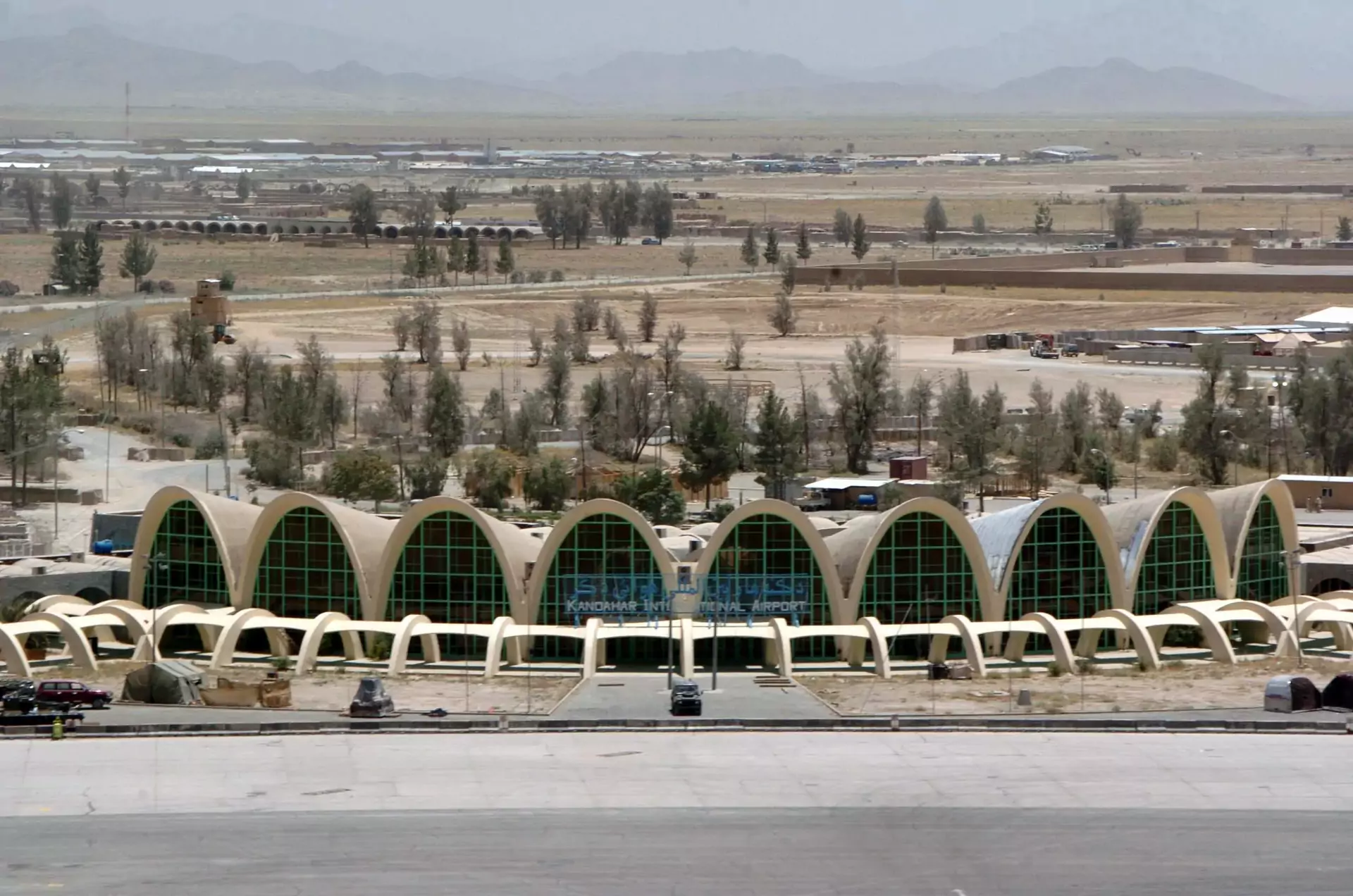
To the south, Kandahar International Airport (KDH) is a vital military and civilian facility serving southern Afghanistan. It provides limited commercial flights and serves as a strategic location for regional air traffic, facilitating connections to cities like Lashkar Gah and Ghazni.
Mazar-i-Sharif International Airport (MZR), located in northern Afghanistan, is another key hub. It supports both domestic and international flights, connecting northern provinces with the capital and neighboring countries. It also aids in regional development and peacekeeping logistics.
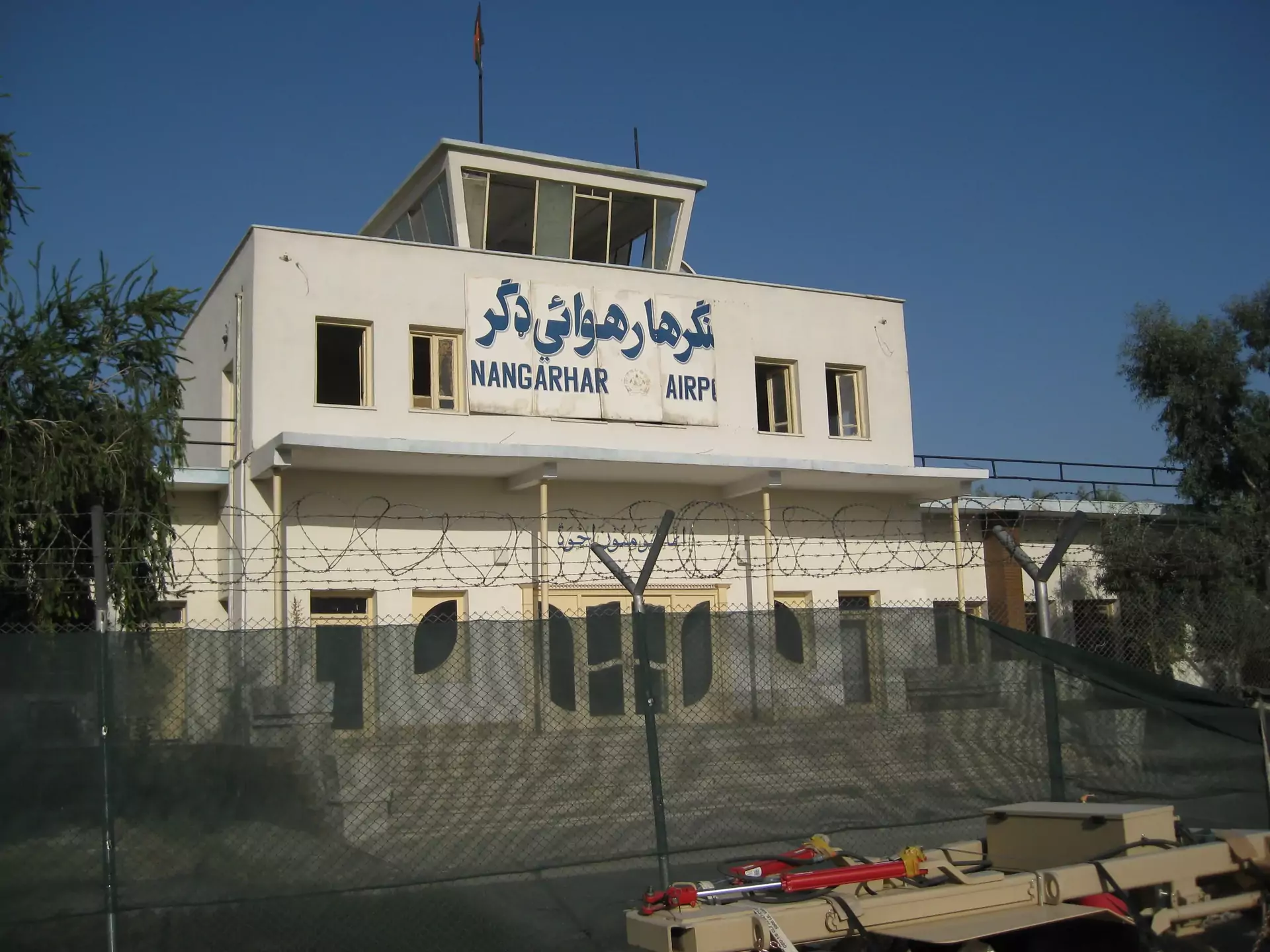
Several other regional airports support Afghanistan’s dispersed population by facilitating domestic travel to remote areas. Airports such as Jalalabad Airport, Khost Airport and Bamyan Airport cater primarily to domestic flights operated by regional airlines. Many of these airports have shorter, gravelled runways and operate under visual flight rules, supporting connectivity despite challenging geography and limited infrastructure.
Low-cost and budget airlines have a limited presence due to operational challenges, but Kam Air and Ariana Afghan Airlines provide relatively affordable domestic options, enhancing mobility for locals and supporting economic activity. Given the country’s mountainous terrain and security landscape, air travel remains a vital mode of transportation for both civilians and cargo.