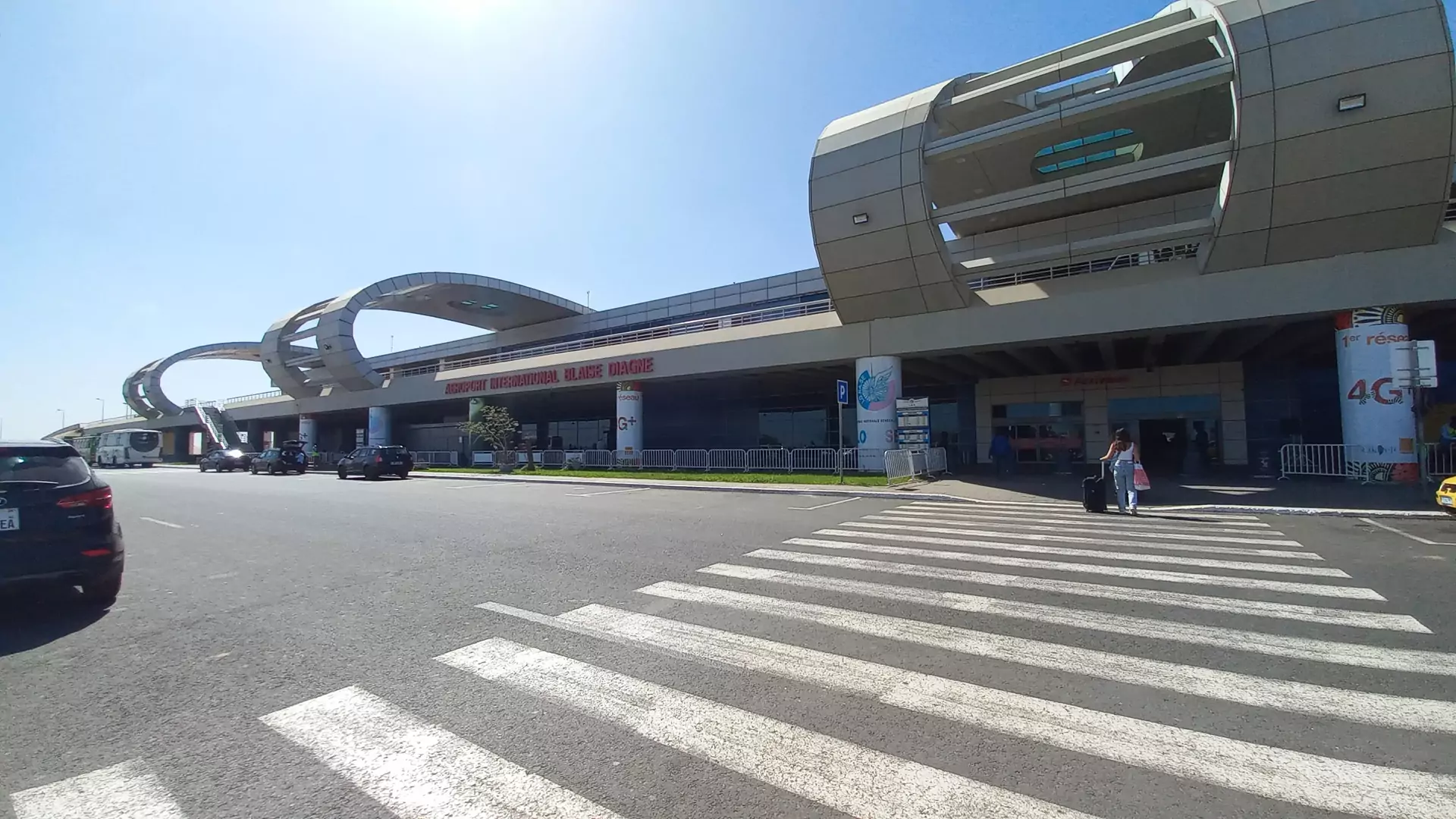
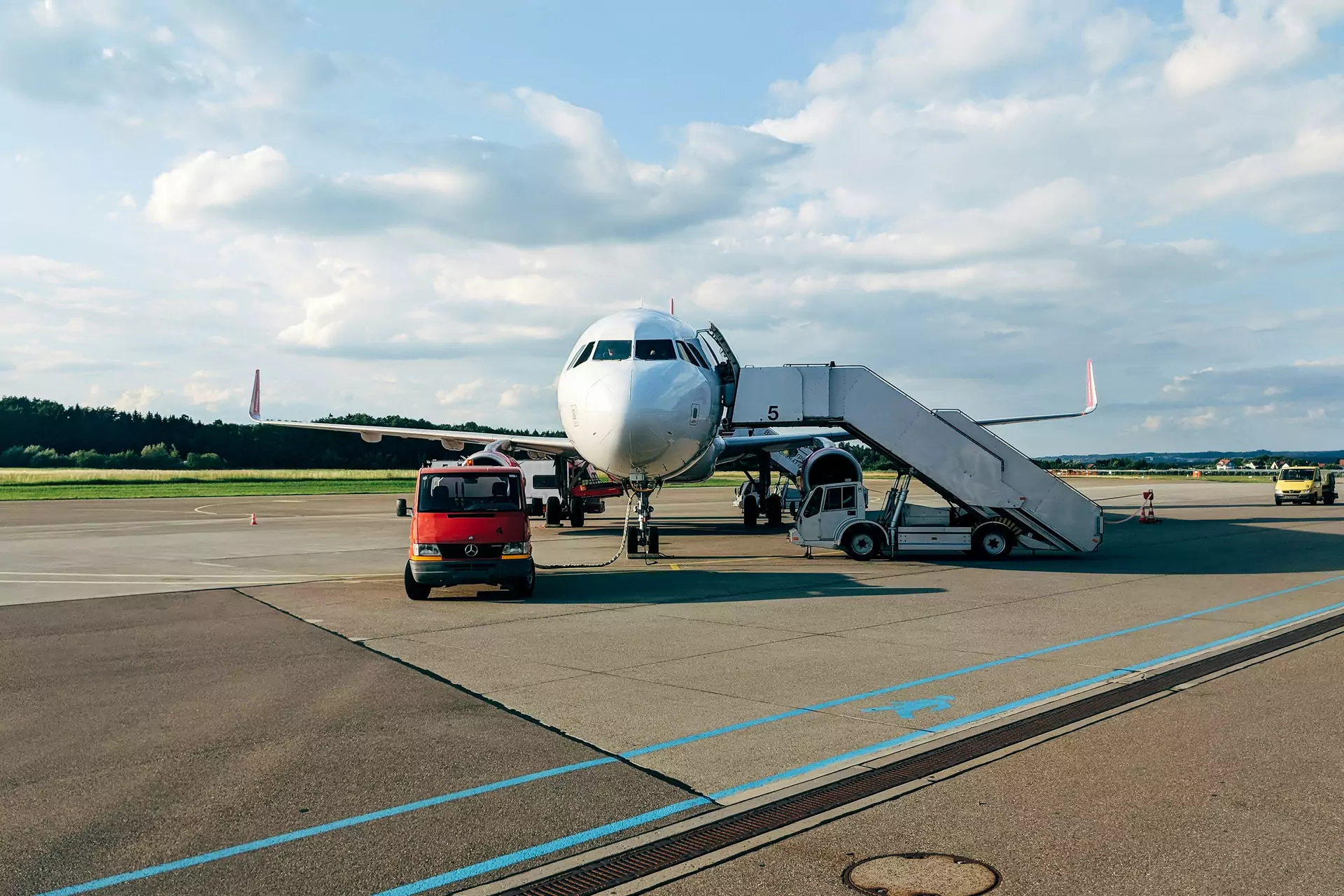
The primary aviation gateway of Senegal, Blaise Diagne International Airport, is situated about 43 kilometers east of Dakar, near the town of Diass in the Thiès Region. Since opening in 2017, it has served as the main international airport, handling passenger flights to Europe, North America and several African destinations. It is the hub for Air Senegal, the country’s national airline, which operates a fleet that includes modern Airbus aircraft and ATR turboprops for both domestic and regional flights. The airport features state-of-the-art terminals, efficient passenger services and good connectivity to Dakar by road and shuttle services. It plays a crucial role in Senegal’s strategic vision to become a West African aviation hub.
The previous main airport, Léopold Sédar Senghor International Airport, located closer to Dakar city center in the Yoff area, has shifted focus to cargo, charter and some regional operations after Blaise Diagne International took over the bulk of passenger traffic. While it remains operational, it now primarily supports non-commercial flights.
For regional connectivity, the Cap Skirring Airport in the southern Casamance region serves as an essential access point for the tourism sector and locals alike. Aviation here supports both commercial and charter flights to Dakar and neighboring countries, including seasonal low-cost airline operations. Similarly, Ziguinchor Airport facilitates travel to the Casamance area, aiding in local transport and connecting it with Dakar and other cities.
Additional domestic airports such as Dakar-Yoff and smaller regional airports in Matam, Kolda and Tambacounda enable vital air links to Senegal’s vast geographic regions. These airports support regional carriers and charter services, often using smaller aircraft suitable for shorter runways. Low-cost carriers and regional airlines play a growing role in these markets, democratizing travel and opening access to more remote parts of the country.
Air Senegal leads as the principal airline headquartered at Blaise Diagne International Airport, offering international flights to destinations such as Paris, Barcelona and the United States, alongside regional African routes including Accra, Abidjan and Dakar’s nearby airports. Other international airlines frequently serving DSS include Air France, Turkish Airlines, Royal Air Maroc, TAP Portugal and Brussels Airlines, providing extensive connectivity with Europe and beyond.
This multi-airport system, combined with Senegal’s expanding fleet of both national and low-cost airlines, reflects the country's commitment to modernizing and expanding its aviation infrastructure. This makes Senegal well-positioned as a transit point in West Africa and provides travelers with a variety of airport choices catering to different budgets, destinations and travel needs across the country.