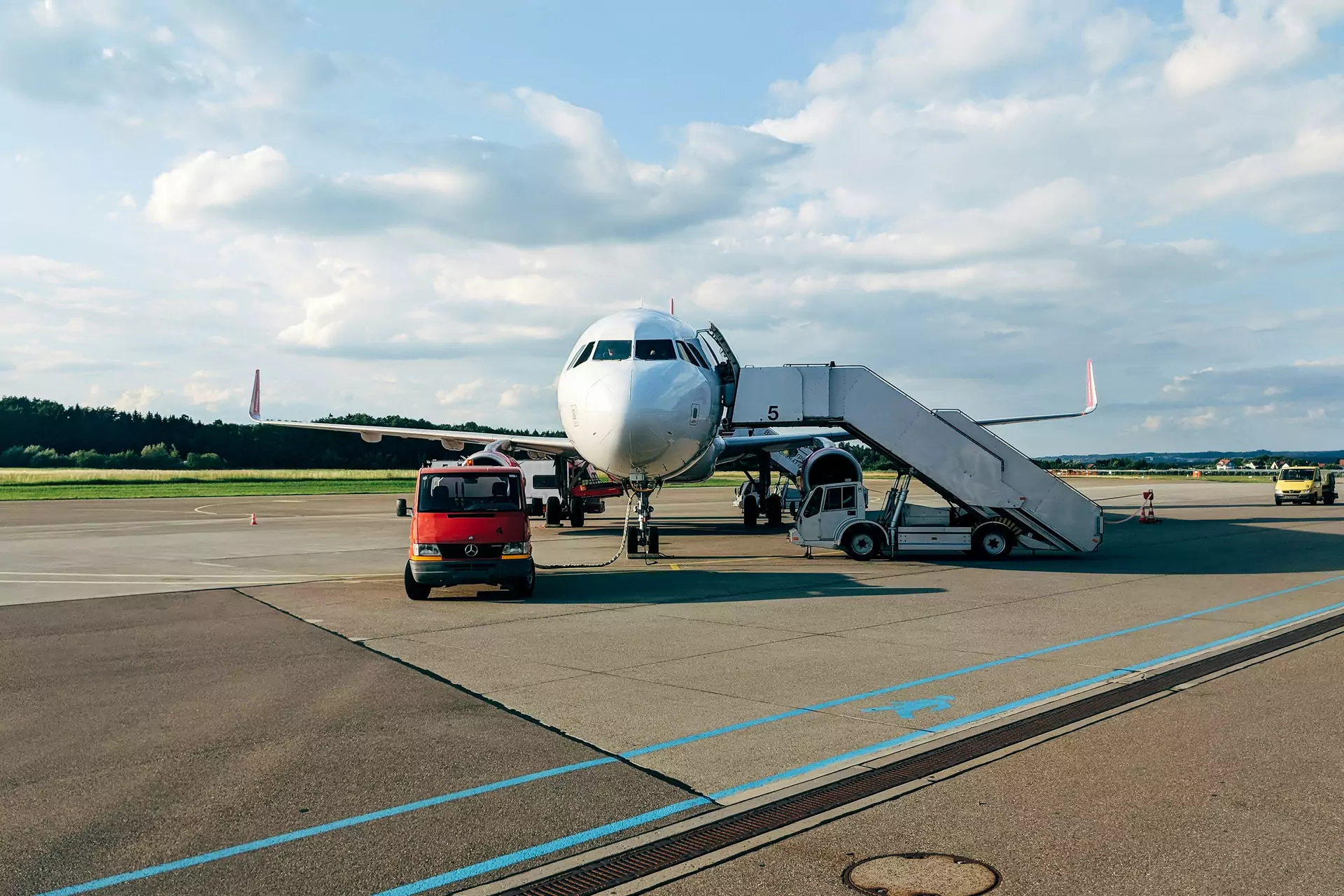
The principal airport of Burkina Faso is Ouagadougou International Airport (OUA), also known as Thomas Sankara International Airport, located just two kilometers from the capital's center. It serves as the main international gateway, connecting Burkina Faso with major cities in Europe, West Africa and beyond. The airport is the hub for the national carrier, Air Burkina, which operates flights to regional destinations such as Abidjan, Bamako, Dakar and Niamey, as well as domestic routes including connections to Bobo-Dioulasso. The terminal is modest but functional, with quick access to the city via taxis and shared transportation options.
Bobo Dioulasso Airport (BOY) serves the country's second-largest city, offering both domestic and some international flights. It acts as a vital regional hub providing connections to Ouagadougou and other neighboring countries, supporting economic activities in the southwestern region of Burkina Faso.
Smaller airports such as Dori Airport cater to local traffic and humanitarian missions, with limited commercial operations due to infrastructure constraints. Despite the modest size of Burkina Faso’s aviation network, the country is strategically developing its airports and services, aiming to enhance safety, accessibility and efficiency.
Several international carriers including Turkish Airlines, Ethiopian Airlines and Royal Air Maroc operate flights to and from Burkina Faso, ensuring vital connectivity for business and leisure travelers. While low-cost airlines are not yet widespread, budget-conscious travelers often find competitive fares via African regional carriers. The ongoing government investments in airport infrastructure and increased flight routes reflect Burkina Faso’s ambition to strengthen its status as a regional aviation hub in West Africa.