Back to grid

Best historical destinations in Asia

Kyoto
Temples, geisha districts and kaiseki dining
9.2
Kyoto served as Japan's imperial capital for more than a thousand years before Tokyo. Nearly 2,000 temples and shrines remain scattered across the city and surrounding hills. Geisha still perform in the historic Gion district's traditional teahouses. Wooden machiya townhouses line several of the city's older neighborhoods.
Highlights:
  • ⛩️ Climb the vermillion torii gates at Fushimi Inari Shrine
  • 🍱 Experience Japan’s beautifully presented Kaiseki dining at a traditional restaurant
  • 🎋 Stroll through the magical Arashiyama bamboo forest early in the morning
Nara
Giant Buddha, tame deer and ancient temples
8.4
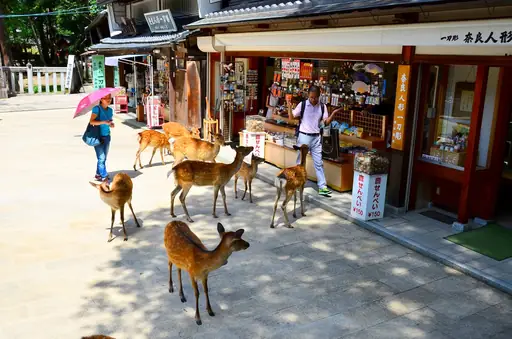
Nara served as Japan's first permanent capital, established in the year 710. A giant bronze Buddha sits inside Todaiji, among the world's largest wooden buildings. Tame deer roam freely through Nara Park, considered messengers of the gods. Ancient temples and shrines fill the city, predating even those of Kyoto.
Highlights:
  • 🏮 Explore historic Kasuga Taisha Shrine lantern pathways
  • 🏯 Visit Todaiji Temple and see the Great Buddha
  • 🦌 Feed and photograph friendly deer in Nara Park
Hiroshima
Peace Park, okonomiyaki and Miyajima ferry
8.4
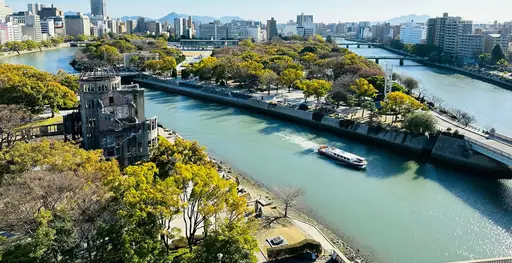
The Atomic Bomb Dome stands as a preserved ruin near the 1945 blast's center. Hiroshima Peace Memorial Park surrounds the dome, dedicated to victims of the bombing. A flame in the park has burned continuously since 1964. Miyajima's floating torii gate sits a short ferry ride from the city.
Highlights:
  • 🌸 Stroll Shukkeien Garden’s tranquil bridges and ponds
  • 🏛️ View the haunting ruins of the Atomic Bomb Dome
  • 🕊️ Reflect at Hiroshima Peace Memorial Park and Museum
Nikko
Tokugawa shrines, waterfalls and hot springs
8.6
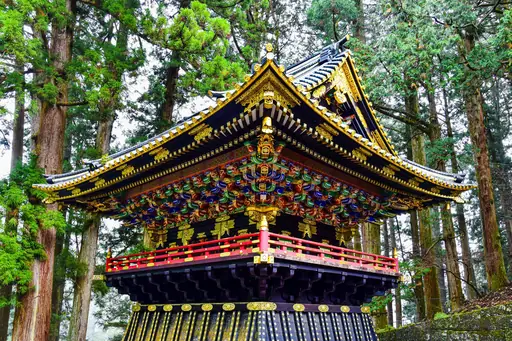
Toshogu Shrine in Nikko holds the mausoleum of shogun Tokugawa Ieyasu. Elaborate wood carvings cover the shrine, including the famous three wise monkeys. Cedar-lined avenues lead through the surrounding mountains toward the shrine complex. Nikko's temples and shrines date largely to the early 1600s, built under Tokugawa rule.
Highlights:
  • 💦 Admire the majestic Kegon Falls viewpoint
  • 🌉 Cross the striking vermilion Shinkyo Bridge
  • ⛩️ Visit the ornate Nikko Toshogu Shrine complex
Nagasaki
Peace memorials, trade history and harbor views
7.9
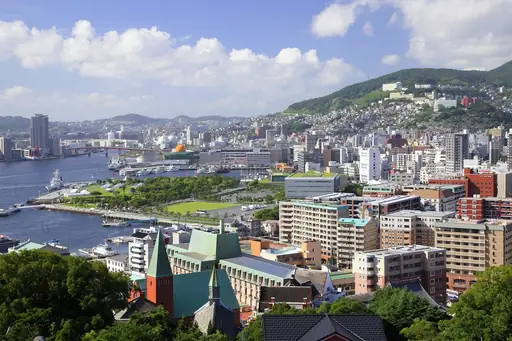
Nagasaki opened to Dutch traders in the 1600s, one of Japan's only links to the West. Glover Garden preserves colonial-era homes built by foreign merchants on a hillside. Nagasaki Peace Park commemorates the 1945 atomic bombing that devastated the city. Oura Church, built in 1864, ranks among Japan's oldest surviving churches.
Highlights:
  • 🌄 Take in panoramic city views from Mount Inasa
  • 🏛️ Explore historic Glover Garden and Western mansions
  • ☮️ Visit the Nagasaki Atomic Bomb Museum and Peace Park
Kamakura
Great Buddha, Zen temples and surf beaches
8.5
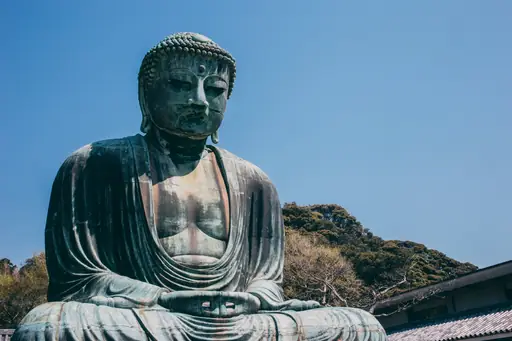
A bronze Buddha statue has sat exposed to the elements in Kamakura since the 1200s. Kamakura served as Japan's political capital for roughly 150 years under the shogunate. Hundreds of temples and shrines fill the hillsides surrounding the coastal town. A tunnel of orange torii gates leads to Hokokuji's bamboo grove nearby.
Highlights:
  • 🎋 Walk the bamboo groves of Hokokuji Zen Temple
  • 🌸 Explore Hasedera Temple’s gardens and sea views
  • 🗿 Visit the Great Buddha statue at Kotoku-in Temple
Himeji
Famed white castle and samurai gardens
8.4
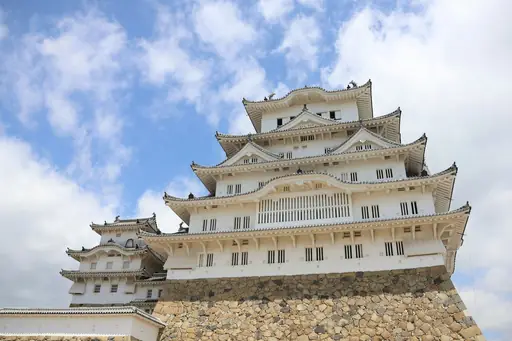
Himeji Castle has survived earthquakes, fires and wartime bombing largely intact since the 1600s. Its white plastered walls earned the nickname White Heron Castle. A maze of gates and passages was designed to confuse attacking forces. Cherry blossoms bloom each spring across the castle's surrounding grounds.
Highlights:
  • ⛰️ Hike Mount Shosha and visit Engyoji Temple
  • 🌸 Stroll through the tranquil Koko-en Japanese Garden
  • 🏯 Explore the majestic and historic Himeji Castle
Ise
Japan's most sacred Shinto shrine city
7.8
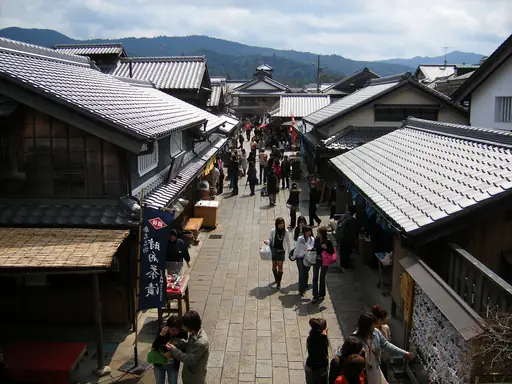
Ise Grand Shrine ranks among Shinto's most sacred sites, rebuilt every 20 years since ancient times. Two main shrines sit within forested grounds, connected by a long gravel path. Wooden torii gates mark the entrance to each inner sanctuary. This rebuilding tradition has preserved ancient construction techniques for over a thousand years.
Highlights:
  • 🏯 Explore Naiku and Geku, the inner and outer shrine complexes
  • 🍡 Walk the charming old streets of Okage Yokocho and taste local snacks
  • ⛩️ Visit the sacred Ise Grand Shrine, Japan’s most revered Shinto site
Tokyo
Japan's capital of temples, towers and food
9.7
Tokyo grew from the fishing village of Edo into a shogunate capital starting in 1603. Imperial Palace grounds now sit where Edo Castle once stood at the city's center. Traditional neighborhoods survive alongside the city's dense modern skyline. Museums across Tokyo trace the transition from feudal Edo to the modern capital.
Highlights:
  • 🖼️ Visit the teamLab digital art museum
  • 🌆 Enjoy panoramic city views from observation decks
  • 🍣 Savor sushi at a local eatery
Izu Peninsula
Hot springs, volcanic coast and beaches
8.3
Shimoda's harbor opened to foreign trade in 1854 after centuries of Japanese isolation. Perry's fleet anchored here, marking a turning point in Japan's history. Old merchant buildings still line streets near the harbor in Shimoda. Hot spring towns across the peninsula have drawn travelers for hundreds of years.
Highlights:
  • 🌸 Explore Izu Kogen highland's flower gardens
  • 🏔️ Watch the sunset over Suruga Bay from Cape Koganezaki
  • 🛁 Soak in Atami's famed hot spring baths
Toyota
Car capital with Korankei maple gorge
8.7
Toyota's Sanage kiln sites trace ceramic production in the region back over a thousand years. The city grew around this pottery tradition long before the automaker took its name. Local shrines and temples preserve the area's pre-industrial farming history. Museums nearby document the region's shift from ceramics to manufacturing.
Highlights:
  • 🏭 Explore Toyota's industrial park and production facilities
  • 🏢 Walk through Toyota City Hall's modern architecture
  • 🚗 Tour the Toyota Kaikan Museum to see the latest cars and technology
Kiyomizu-dera
Kyoto's hillside temple with the wooden stage
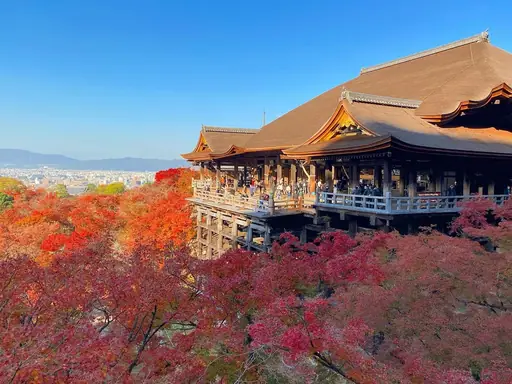
Kiyomizu-dera's wooden stage extends over a hillside, built without a single nail. The temple takes its name from a waterfall running beneath the main hall. Cherry blossoms and autumn leaves frame views from the stage each season. Pilgrims have visited the site since the temple's founding in 778.
Highlights:
  • ❤️ Visit Jishu Shrine and try the love fortune stones challenge
  • 💧 Drink from Otowa Waterfall’s streams for luck and longevity
  • 🌆 Stand on Kiyomizu Stage for panoramic Kyoto city views
Sensō-ji
Tokyo's oldest temple beyond a red lantern gate
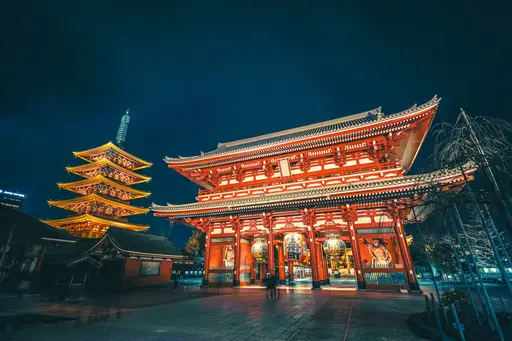
Senso-ji ranks as Tokyo's oldest temple, founded in the year 645. A giant red lantern hangs over the Kaminarimon gate leading to the temple grounds. Nakamise shopping street stretches between the gate and the main hall, selling traditional snacks. The temple survived wartime bombing that destroyed much of the surrounding district.
Highlights:
  • 🎐 Draw a sacred omikuji fortune and tie it nearby
  • 🛍️ Browse traditional shops along Nakamise Street for souvenirs
  • ⛩️ Walk through the thunder gate Kaminarimon and enter the temple
Fushimi Inari-taisha
Thousands of torii gates up a Kyoto mountain
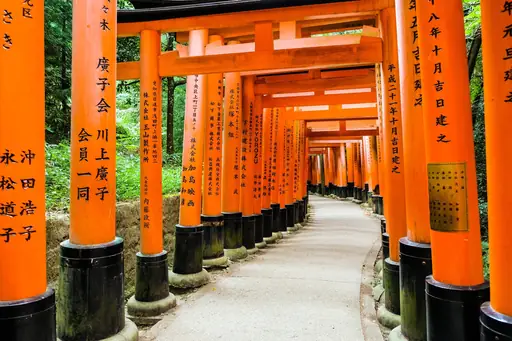
Thousands of vermillion torii gates form a tunnel up the mountain behind Fushimi Inari Taisha. Merchants and businesses have donated the gates since the Edo period. Fox statues guard the shrine, seen as messengers of the rice deity Inari. Trails climb well beyond the main gates toward smaller shrines on the hillside.
Highlights:
  • 🥾 Hike to mountain summit for serene shrine views
  • 🦊 Visit fox statues, messengers of the Inari deity
  • ⛩️ Walk through the iconic vermillion Senbon Torii gates tunnel
Nijō Castle
The Tokugawa shogun's Kyoto palace and gardens
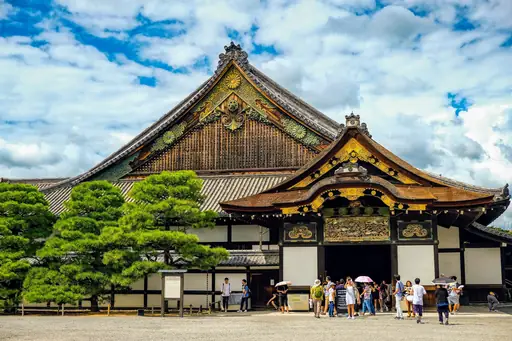
Nijo Castle's floors were built to chirp underfoot, alerting guards to approaching intruders. Tokugawa shoguns used the castle as their Kyoto residence starting in 1603. Painted screens inside the Ninomaru Palace depict tigers, cranes and pine trees. Moats and stone walls still surround the castle's original grounds.
Highlights:
  • 🌸 Wander traditional gardens showcasing seasonal Japanese beauty
  • 🖼️ Admire exquisite Edo-period paintings inside Ninomaru Palace
  • 🎶 Hear the eerie chirping on Nijo Castle’s Nightingale Floors
Kinkaku-ji
Gold leaf pavilion beside a mirror pond
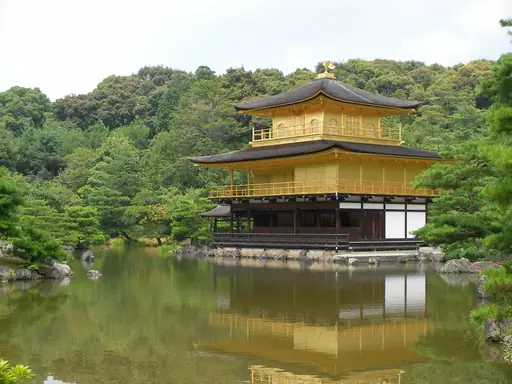
Gold leaf covers the upper floors of Kinkaku-ji, Kyoto's famous Golden Pavilion. A reflecting pond mirrors the temple's gilded exterior across still water. Fire destroyed the original structure in 1950, later rebuilt to match its historic design. Zen Buddhist monks once used the building as a retirement villa.
Highlights:
  • 🍵 Enjoy panoramic views of Kinkaku-ji from Sekkatei teahouse hilltop
  • 🌿 Stroll through traditional Muromachi-period stroll garden surrounding the temple
  • 🏯 Marvel at Kinkaku-ji’s dazzling golden pavilion reflected in Kyoko-chi Pond
Feedback