Asia › Japan › Karuizawa › Climate

Karuizawa climate data

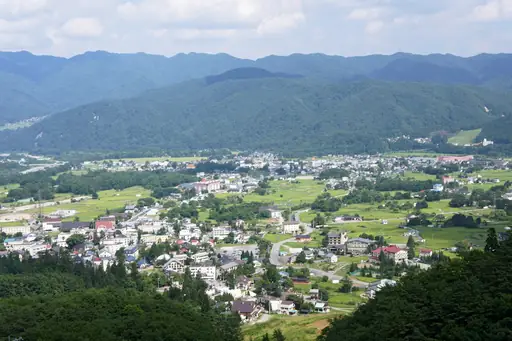
Karuizawa, perched on a highland plateau in Nagano Prefecture, features a humid subtropical climate with cool summers and cold, snowy winters. The town is famous for its refreshing summer retreat, vibrant autumn foliage, and winter snow activities. Abundant rainfall, frequent fog, and significant seasonal contrasts make Karuizawa an appealing destination for nature lovers year-round.

Best times to travel

The best times to travel section shows how the months compare for a visit, so you can find the time of year that fits what you want to do.

Background colors of the months:
The color shows the typical temperature: yellow (hot), green (mild) and blue (cold). How strong the color is shows the travel season: full color means high season, soft color means shoulder season and soft-striped means off season.

Weather symbols:
Each month has one symbol showing what the weather is typically like, such as hot and sunny, freezing or a rainy or snowy season. Use them to quickly spot months that match the weather you want, or to avoid the ones that don't.

Crowdedness:
The people icon shows how busy the place usually is. The more people, the more crowded it gets.

Additional notes:
The gray info boxes point out special things worth knowing, like recurring weather issues or seasonal events.

for Karuizawa, Japan
🌨️
Jan
🌨️
Feb
🌨️
Mar
🌤️
Apr
🌤️
May
🌦️
Jun
🌦️
Jul
🌦️
Aug
🌦️
Sep
🌥️
Oct
🌤️
Nov
❄️
Dec
High season: July - Aug., Oct.
Shoulder season: Jan. - Feb., April - June, Sep., Nov. - Dec.
Crowdedness: 8 (Very crowded)
Tap on a month for more info Hover over a month for more info
Many shops, cafés and pensions in Old Karuizawa close from December to March, outlet mall stays open
Autumn leaves peak mid to late October, lowlands early November
Golden Week (late April to early May) and August weekends: Shinkansen and roads very busy, hotels book out

The climate of Karuizawa

Karuizawa’s climate is shaped by its elevation of 950–1,200 meters, resulting in cooler conditions than much of Japan. Summers (June–August) are mild to warm, with average highs of 22–28°C and lows around 13–18°C. Even in August, Karuizawa is notably cooler than Tokyo, with daytime temperatures averaging about 20.5°C. Dense fog is common in summer, especially in July and August, enhancing the area’s refreshing feel. The rainy season stretches from May through October, peaking in July with over 250 mm of rainfall and 23 rainy days. Humidity is high year-round, reaching up to 85% in summer.

Winters (December–February) are cold and often snowy, with average highs of 3–4°C and lows dropping to -5°C or lower. Snowfall is moderate but reliable, supporting local ski resorts and creating a picturesque winter landscape. Spring (March–May) and autumn (September–November) are transitional, with spring bringing late-blooming cherry blossoms and autumn showcasing some of Japan’s most spectacular foliage from mid-October to early November. Annual precipitation is around 1,785 mm, and Karuizawa receives 1,500–1,800 hours of sunshine per year, with May being the sunniest month. Winds are generally light to moderate, but can be brisk in winter and during storms. Fog occurs on more than 100 days per year, especially in summer.

Average climate data for Karuizawa, Japan
Month Jan Feb Mar Apr May Jun Jul Aug Sep Oct Nov Dec Year
Average maximum temperature (°F) 36 36 43 56 65 69 75 78 69 59 51 40 78
Average minimum temperature (°F) 15 16 21 32 41 52 60 61 54 40 30 20 15
Average precipitation (inch) 1 2 2 3 4 7 7 6 7 4 2 1 48
Average snowfall (inch) 11 17 15 3 0 0 0 0 0 0 1 6 54
Average relative humidity (%) 74 76 73 72 75 84 86 85 89 83 76 74 79
Average daily daylight hours (h) 10 10 12 13 14 14 14 13 12 11 10 9 12
Average daily sunshine hours (h) 5 5 5 5 6 4 4 5 3 4 5 5 5

Travel info

  • Spring (March–May): Chilly to mild (1–18°C), late cherry blossoms in April, lingering snow until early spring. Layered clothing and a jacket are recommended.
  • Summer (June–August): Mild to warm (13–28°C), frequent rain and dense fog, especially in July and August. Bring rain gear, light sweaters for cool nights, and sun protection for high UV.
  • Autumn (September–November): Crisp and cool (5–20°C), spectacular fall foliage from mid-October to early November. Pack sweaters and a warm coat for evenings.
  • Winter (December–February): Cold and snowy (-5–4°C), moderate snowfall, clear days. Dress in thermal layers, bring gloves, hats, and waterproof boots – especially for snow activities.
  • Rainy season is May–October, with July being the wettest month; plan indoor activities as backup.
  • Summer is ideal for escaping Tokyo’s heat, but expect crowds during holidays and weekends.
  • Best autumn foliage: late October to early November.
  • Winter is great for skiing and onsen, but some facilities may close or have reduced hours.

The best time to visit Karuizawa

The best time to visit Karuizawa is from May to June and September to early November. These months offer comfortable temperatures, lush greenery or vibrant autumn colors, and fewer rainy days than midsummer. Spring and autumn are especially popular for outdoor activities, sightseeing, and enjoying the region’s renowned natural beauty.

The worst time to visit Karuizawa

The least favorable time to visit Karuizawa is from late June through August, when the rainy season brings frequent showers, dense fog, and high humidity. While summer is cooler than Tokyo, the persistent wet weather and crowds during school holidays can make outdoor activities less enjoyable. Winters, though beautiful, require preparation for cold and snow.

Frequently asked questions

What is the climate like in Karuizawa throughout the year?

Karuizawa has a humid subtropical highland climate with cool summers, cold snowy winters, and significant rainfall. The area is known for dense summer fog, vibrant autumn foliage, and a refreshing escape from Japan’s coastal heat.

When is the rainy season in Karuizawa?

The rainy season in Karuizawa extends from May to October, peaking in July with over 250 mm of rain. Expect frequent showers and high humidity, especially in summer.

Does Karuizawa get snow in winter?

Yes, Karuizawa experiences moderate but reliable snowfall from December to February. Snow supports local ski resorts and creates beautiful winter scenery, though snow depths are less than in northern Japan.

When is the best time to see autumn foliage in Karuizawa?

The best time for autumn foliage in Karuizawa is from mid-October to early November. The area’s forests and ponds become vibrant with red, orange, and yellow leaves, attracting many visitors.

How cool is Karuizawa in summer compared to Tokyo?

Karuizawa is notably cooler than Tokyo in summer, with August daytime temperatures averaging about 20.5°C—roughly 5–6°C lower than Tokyo. This makes it a popular summer retreat.

Is Karuizawa suitable for winter sports?

Yes, Karuizawa is a winter sports destination with several ski resorts. The snow season typically runs from December through February, with reliable snow and facilities for skiing and snowboarding.

How much fog does Karuizawa get?

Karuizawa is famous for its fog, especially in summer. Fog occurs on more than 100 days a year, with July and August seeing the most frequent foggy mornings and evenings.

Minimum and maximum temperatures in Karuizawa

The warmest month, with the highest average maximum temperature, is August (77.8 °F). The month with the lowest average maximum temperature is January (35.6 °F). Overall, the average maximum temperature over the whole year is 56.4 °F.

The month with the highest average minimum temperature is August (61.1 °F). The coldest month, with the lowest average minimum temperature, is January (14.9 °F). Overall, the average minimum temperature over the whole year is 36.7 °F.

Rainfall amount in Karuizawa

The wettest month, with the highest amount of precipitation, is June (7.5 inch). The driest month, with the least amount of precipitation, is December (0.9 inch). Over the whole year there are 47.6 inch of rainfall on average.

Snowfall amount in Karuizawa

The month with the most snowfall is February (17 inch). The months with the least snowfall are May, June, July, August and September (0 inch). Over the whole year there are 53.9 inch of snowfall on average.

Relative humidity in Karuizawa

The month with the highest average relative humidity is September (89.1 %). The month with the lowest average relative humidity is April (72 %). The overall average relative humidity over the whole year is 78.9 %.

Daylight hours and sunshine hours in Karuizawa

The month with the longest days, so the most daylight, is June (Average daylight: 14.1 h). The month with the shortest days, so the least daylight, is December (Average daylight: 9.1 h). Over the whole year there are 11.9 h of daylight per day on average.

The month with the most sunshine per day is May (Average sunshine: 5.9 h). The month with the least sunshine per day is September (Average sunshine: 2.9 h). Over the whole year there are 4.7 h of sunlight per day on average.

Was this page helpful?
Feedback