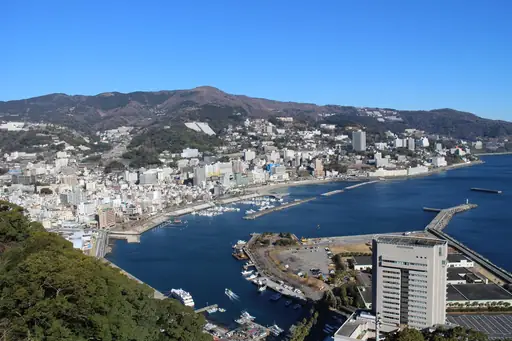
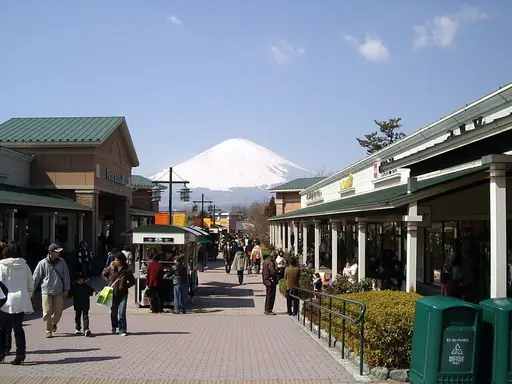
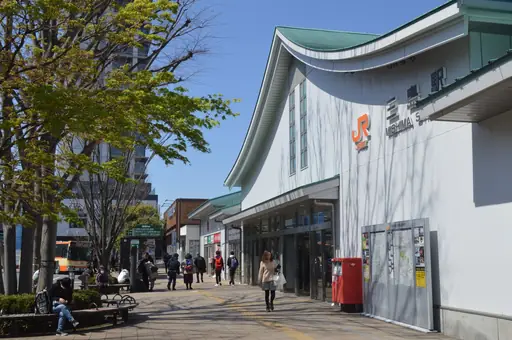
江戸村のとくぞう, CC BY-SA 4.0, via Wikimedia Commons
Asia › Japan › Shizuoka › Climate

Shizuoka climate data

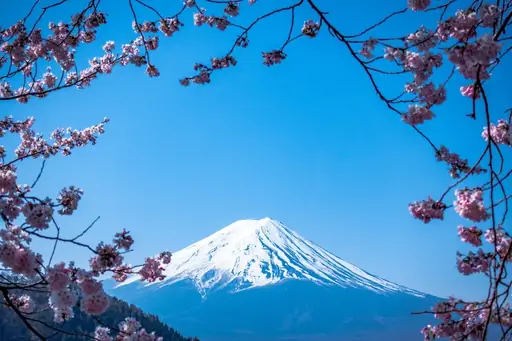
Shizuoka, on Japan’s Pacific coast, enjoys a humid subtropical climate with mild, sunny winters and hot, humid, and rainy summers. The city experiences abundant rainfall, especially in summer, and is known for its lush landscapes, tea plantations, and proximity to Mt. Fuji. Seasonal contrasts make Shizuoka a dynamic destination year-round.

Best times to travel

The best times to travel section shows how the months compare for a visit, so you can find the time of year that fits what you want to do.

Background colors of the months:
The color shows the typical temperature: yellow (hot), green (mild) and blue (cold). How strong the color is shows the travel season: full color means high season, soft color means shoulder season and soft-striped means off season.

Weather symbols:
Each month has one symbol showing what the weather is typically like, such as hot and sunny, freezing or a rainy or snowy season. Use them to quickly spot months that match the weather you want, or to avoid the ones that don't.

Crowdedness:
The people icon shows how busy the place usually is. The more people, the more crowded it gets.

Additional notes:
The gray info boxes point out special things worth knowing, like recurring weather issues or seasonal events.

for Shizuoka, Japan
⛅
Jan
⛅
Feb
⛅
Mar
⛅
Apr
⛅
May
⛅
Jun
⛅
Jul
⛅
Aug
⛅
Sep
⛅
Oct
⛅
Nov
⛅
Dec
High season: March - May, Aug.
Shoulder season: Feb., July, Sep. - Nov.
Crowdedness: 6 (Many tourists)
Tap on a month for more info Hover over a month for more info
Mt. Fuji climbing season on the Shizuoka side runs roughly July 10 to September 10, trails closed outside this period
Typhoon season August to October, heavy rain and wind can disrupt trains, ferries and mountain access
Izu coast beaches are best July and August, hot spring towns like Atami and Izu are popular year-round

The climate of Shizuoka

Shizuoka’s climate is shaped by its coastal location and surrounding mountains, resulting in four distinct seasons and significant rainfall. Winters (December–February) are mild and mostly sunny, with average highs of 11–14°C and lows of 2–5°C. Snow is extremely rare in the city, though the nearby mountains see more frequent snowfall. Winter is the driest season, with rainfall averaging 60–135 mm per month, and there are many clear days with 6–6.5 hours of sunshine daily. Night frosts are rare and light.

Summers (June–September) are hot, humid, and very wet, with average highs of 26–31°C and lows of 19–24°C. Rainfall peaks from June to September, with each month seeing 245–305 mm, making Shizuoka one of Japan’s rainiest cities. July and August are the hottest months, with August being slightly sunnier but also at higher risk of typhoons. The rainy season (tsuyu) typically runs from early June to mid-July, and typhoon season peaks in late summer and early autumn. Spring (March–May) and autumn (October–November) are transitional, with mild to warm temperatures (15–24°C), moderate rainfall, and comfortable humidity. These seasons are ideal for outdoor activities, cherry blossom viewing in spring, and autumn foliage. Annual precipitation averages 2,300 mm, and Shizuoka enjoys around 2,100–2,200 hours of sunshine per year. Winds are generally light, but can be brisk during storms or typhoons. The sea is swimmable from June to September, with water temperatures peaking at 27–28°C in August.

Average climate data for Shizuoka, Japan
Month Jan Feb Mar Apr May Jun Jul Aug Sep Oct Nov Dec Year
Average water temperature (°F) 61 60 60 63 67 71 78 80 79 75 70 64 69
Average daily daylight hours (h) 10 10 12 13 14 14 14 13 12 11 10 9 12

Travel info

  • Spring (March–May): Mild and pleasant, with highs from 15°C to 23°C. Cherry blossoms bloom in late March to early April. Rain increases in May; pack layers and a rain jacket.
  • Summer (June–August): Hot, humid, and very wet, with highs of 26–31°C. Rainy season from June to mid-July and typhoons possible in late summer. Bring light clothing, sun protection, and an umbrella.
  • Autumn (September–November): Warm to mild, with highs from 28°C in September to 18°C in November. Rain tapers off by November. Early autumn can still be wet and typhoon-prone; pack layers and rain gear.
  • Winter (December–February): Mild and sunny, with highs of 11–14°C and lows of 2–5°C. Rain is infrequent; bring a light jacket for cool evenings.
  • Rain falls year-round, with June–September being wettest; December–February are driest.
  • Sunshine peaks in winter and late summer (up to 6.5 hours/day); June is cloudier.
  • Daylight ranges from 10 hours in winter to 14 hours in summer.
  • Winds are generally light, but typhoons can bring strong gusts in late summer and autumn.
  • Sea swimming is best from June to September, with water temperatures up to 27–28°C in August.

The best time to visit Shizuoka

The best times to visit Shizuoka are in spring (late March to May) and autumn (October to early November), when temperatures are comfortable (15–24°C), rainfall is moderate, and the city’s gardens and landscapes are at their most beautiful. These shoulder seasons offer ideal conditions for cherry blossom viewing, hiking, tea farm visits, and sightseeing.

The worst time to visit Shizuoka

The least favorable time to visit is from June to September, when heat, humidity, and heavy rainfall peak. The rainy season (tsuyu) and typhoon season can bring frequent downpours and travel disruptions, making outdoor activities less reliable. Late summer also brings the risk of typhoons and strong winds.

Frequently asked questions

What is the average temperature in Shizuoka throughout the year?

Shizuoka’s annual average temperature is about 17°C. January is the coldest month (highs 11–12°C, lows 2–3°C), while August is the hottest (highs 31–32°C, lows 24°C).

Does Shizuoka get a lot of rain or snow?

Shizuoka receives about 2,300 mm of rain annually, with the wettest months from June to September. Snow is extremely rare in the city, but more common in the surrounding mountains.

How much sunshine does Shizuoka get?

Shizuoka enjoys around 2,100–2,200 hours of sunshine per year. Winter and late summer are the sunniest periods (up to 6.5 hours/day), while June is cloudier due to the rainy season.

When is the best time for outdoor activities in Shizuoka?

Spring (late March to May) and autumn (October–November) are best for outdoor activities, with mild to warm temperatures, moderate rainfall, and beautiful scenery. Summer is hot and wet, while winter is mild and sunny.

Is Shizuoka suitable for winter sports?

Shizuoka city itself is not a winter sports destination, but the nearby mountains offer opportunities for snow-based activities from December to March.

When is the swimming season in Shizuoka?

Swimming outdoors is most comfortable from June to September, when air temperatures reach 28–32°C and sea temperatures rise to 27–28°C. The Izu Peninsula is especially popular for beaches in summer.

What should I pack for a trip to Shizuoka?

Pack layers for spring and autumn, light clothing and sun protection for summer, and a light jacket for winter. An umbrella is useful year-round, especially from June to September.

Water temperature in Shizuoka

The month with the highest average water temperature is August (79.7 °F). The month with the lowest average water temperature is February (59.5 °F). Overall, the average water temperature over the whole year is 68.9 °F.

Daylight hours and sunshine hours in Shizuoka

The month with the longest days, so the most daylight, is June (Average daylight: 14 h). The month with the shortest days, so the least daylight, is December (Average daylight: 9.1 h). Over the whole year there are 11.9 h of daylight per day on average.

Was this page helpful?
Feedback