
Last update: Oct 23, 2026
* We earn a commission from some links on this page.
Colombia Summary
These place ratings give you a quick overview of how well a destination matches different types of trips.
"Best for" scores:
The specific interest scores show where this place really shines – whether it's ideal for hiking, food & drink experiences, museums or other activities. These highlights help you understand what makes the destination special at a glance.
"Your personal" scores:
This reflects how well a place matches your personal preferences. You can adjust the importances of travel topics or other personal requirements categories in your account settings.
"Suited for" badges:
These give you a quick overview of how well a destination suits specific types of travelers, to help you find the places that match your lifestyle, preferences or travel situation.
Suited for
Colombia – Quick facts
| Power Grid: |
110 V, 60 Hz Plug: Type A , Type B
Type A:
  Read about power adapters |
|---|---|
| Currency: |
Colombian Peso (COP) $1 ≈ COP 3,158.18 |
| Cashless info: |
Rating 3/5
Cashless payments are becoming more common, especially in cities. Credit and debit cards are widely accepted, but cash is still preferred in many rural areas.
Save with a travel credit card |
| eSIM providers: |
Best value: Saily Flexibility: Airalo Read our in-depth comparison |
| Tipping: | Tipping is not obligatory, but a tip of 5-10% is appreciated in restaurants. Taxis generally do not expect a tip, but rounding up the fare is common. |
|---|---|
| Public drinking: | Public drinking is not allowed in some areas, especially in cities. It is best to consume alcohol in licensed venues like bars or restaurants. |
| Public smoking: | Smoking is prohibited in indoor public spaces, including restaurants, bars, and public transport. |
| Independence Day (July 20) |
National holiday celebrating Colombia's independence with parades and festivities |
|---|---|
| Christmas (December 25) |
Celebrated with family gatherings and festive meals |
| Emergency contact: | Emergency Number: 123 |
|---|---|
| Taxi apps: | Uber, Cabify |
| Other: | Colombia is known for its coffee, vibrant culture, and beautiful landscapes, including the Andes mountains and Caribbean beaches. |
Best times to travel
The best times to travel section shows how the months compare for a visit, so you can find the time of year that fits what you want to do.
Background colors of the months:
The color shows the typical temperature: yellow (hot), green (mild) and blue (cold). How strong the color is shows the travel season: full color means high season, soft color means shoulder season and soft-striped means off season.
Weather symbols:
Each month has one symbol showing what the weather is typically like, such as hot and sunny, freezing or a rainy or snowy season. Use them to quickly spot months that match the weather you want, or to avoid the ones that don't.
Crowdedness:
The people icon shows how busy the place usually is. The more people, the more crowded it gets.
Additional notes:
The gray info boxes point out special things worth knowing, like recurring weather issues or seasonal events.
for Colombia, Colombia
Climate and season vary by region: Andes (Bogotá, Medellín) driest December to March and July to August, Caribbean coast driest December to April, Pacific coast rainy year-round with whales July to October, Amazon wettest April to June
Semana Santa (Holy Week) in late March or April: domestic travel peaks, prices rise and accommodation books out
Carnaval de Barranquilla takes place in February or early March, four days before Ash Wednesday
Don't miss
- 🏰 Wander the colonial streets of Cartagena’s walled city
- 🥾 Hike to the Lost City deep in the Sierra Nevada
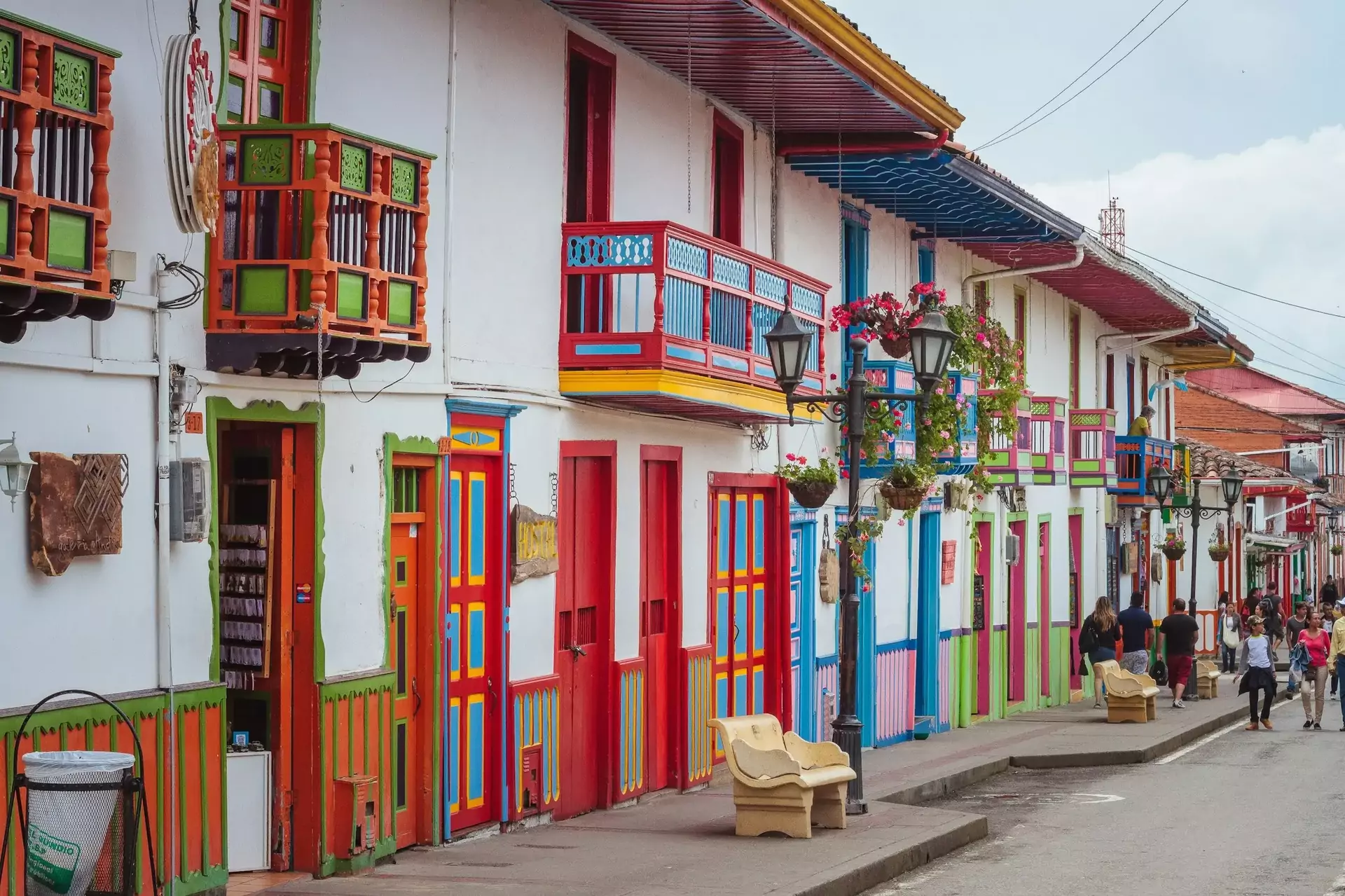
- ☕ Enjoy Colombian coffee at plantations in Salento
- 🏝️ Relax on Rosario Islands’ white-sand beaches
- 🏺 See Bogotá’s Gold Museum and its ancient treasures
- 💃 Dance to salsa rhythms in Cali’s vibrant clubs
You've been here?
Log in to manage your own bucket list! Why travel to Colombia?
Colombia suits travelers who want variety in one country, from Caribbean beaches to mountain towns and rainforest. Cartagena is the main colonial city, with a walled old town and boats to the Rosario Islands. Santa Marta is the base for Tayrona National Natural Park and the Lost City trek, which takes several days. San Andrés and Providencia in the Caribbean are known for very clear water in many shades of blue. Bogotá is the capital, set at about 8,500 ft, with the Gold Museum and the historic quarter of La Candelaria. Medellín has a mild climate, a good metro and cable cars that serve the hillside neighborhoods. Cali is known for salsa music and dance. Villa de Leyva and Barichara are quiet colonial towns that fit a weekend away from the cities. The coffee region around Pereira and Salento has green hills, farm stays and the Valley of Cocora, where wax palms grow very tall. Caño Cristales is a river known for its colors in the right season. Visitors reach it by flight from La Macarena with a reputable tour company. Leticia in the Amazon is the base for jungle trips. On the Pacific coast, Nuquí and Bahía Solano have humpback whales from July to October. Colombia is not a country to rush. Flights save time, but mountain roads are slow, so choose two or three regions for a two-week trip. Rain patterns differ by region, so check the season for each place on your route.
🏙️Cities & Regions
-
1
Medellín
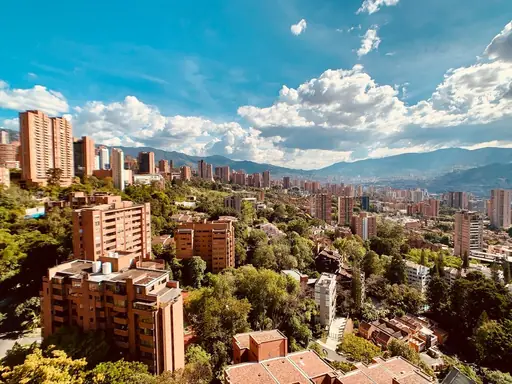
A big Andean city in a valley, with a mild climate all year, a metro and cable cars that serve the hillsides. Known for Botero sculptures and the Comuna 13 murals. Many visitors use it as a base for Guatapé. -
2
Cartagena
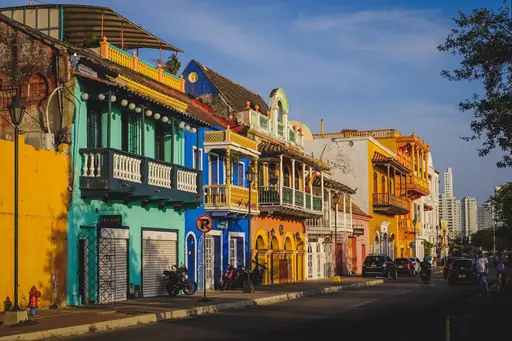
A walled colonial port city on Colombia's Caribbean coast, with a UNESCO-listed Old Town of balconied houses and plazas. A huge fortress stands above it. Boats leave from the harbor for beaches on the Rosario Islands. -
3
Bogotá
Colombia's capital, set high in the Andes on a wide plateau, with a colonial center, major museums and a mountain sanctuary above the city. The weather is cool and often rainy. Sundays close main roads to cars for cycling. -
4
Santa Marta
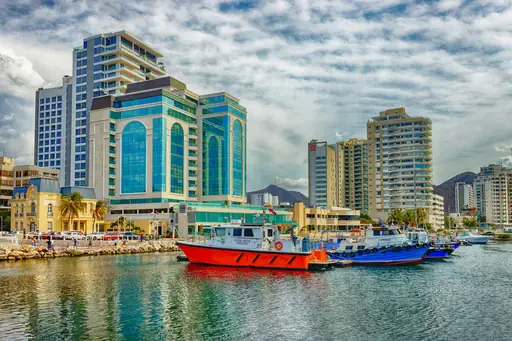
A Caribbean port city in northern Colombia with a small historic center and city beaches. It's the base for Tayrona National Park and treks into the Sierra Nevada, with a cool mountain village, Minca, a short ride away. -
5
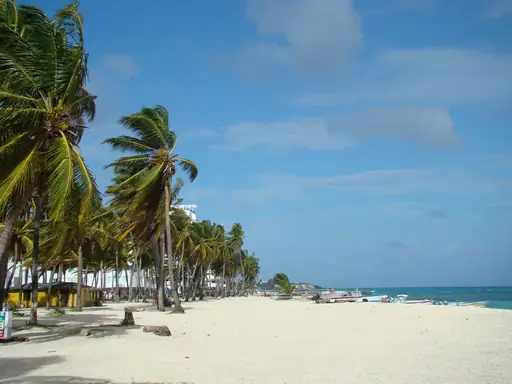
San Andrés
A Colombian island in the western Caribbean, much closer to Nicaragua than to the mainland. It has reef-ringed water, boat trips to small cays and a duty-free town. Raizal culture, with its own Creole language, sets it apart. -
6
Villa de Leyva
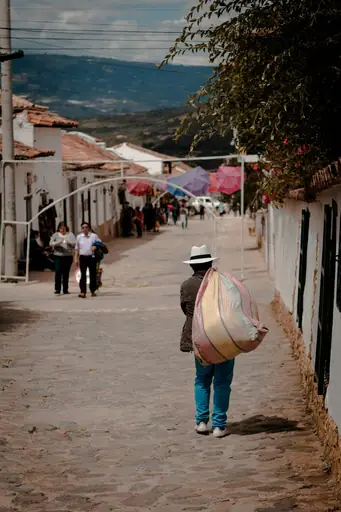
A colonial town in the Boyacá highlands, declared a national monument, with a huge stone-paved plaza and whitewashed streets. Nearby are fossils, a Muisca site and craft villages. It's a long day trip or a weekend stay from Bogotá. -
7
Guatape
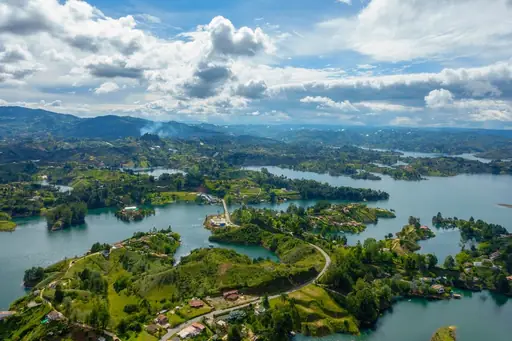
A small town on a man-made reservoir in Antioquia, known for houses with painted zócalo panels along their lower walls. The nearby Piedra del Peñol, a rock with 740 steps, gives wide views over the lake and its islands. -
8
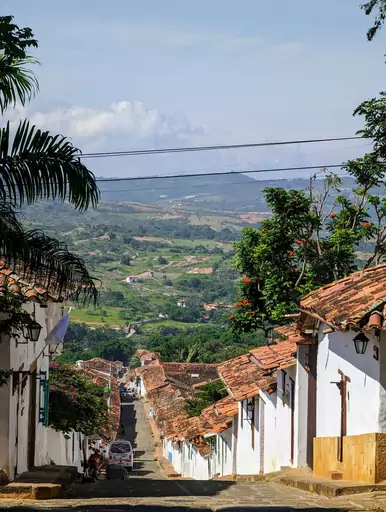
Barichara
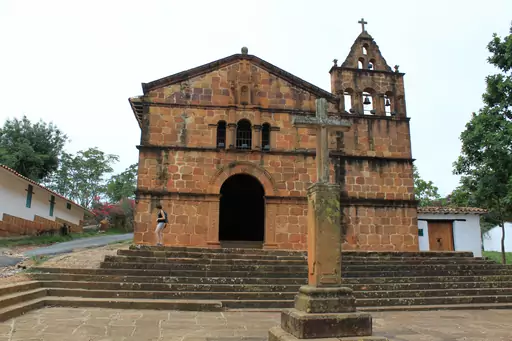
A small hill village in Santander, known for whitewashed houses, cobbled streets and a stone cathedral. An old stone path leads from here to the village of Guane. Most visitors come from San Gil for a day. -
9
San Gil
A small town in the Andes of Santander, known across Colombia for rafting, caving, paragliding and canyoning. It's close to the Chicamocha Canyon and colonial villages. The small center is compact and easy to walk. -
10
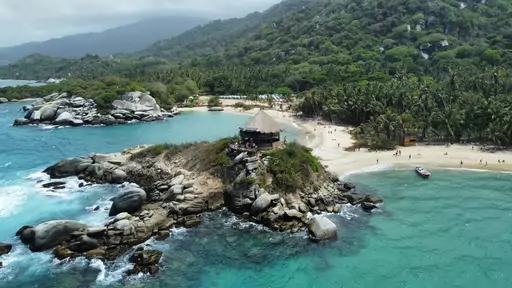
Tayrona National Park
A protected stretch of Caribbean coast east of Santa Marta, with forest-backed beaches, boulder-lined coves and walking trails between them. Most beaches are reached on foot and some are too rough for swimming, so check which ones are safe first.
🏯Places worth seeing
🎡Places for activities
🏞️Natural landmarks
🛍️Shopping
🎈Events
-
Carnaval de Barranquilla
-
Feria de Cali
-
Flower Festival (Medellín)
-
Bogotá International Film Festival
-
International Joropo Tournament
-
Cartagena International Film Festival
-
Black and White Carnival (Pasto)
-
Medellín Book Fair
-
Festival of the Sea (Santa Marta)
-
Bogotá Ibero-American Theater Festival
Popular travel destinations in Colombia

Knowledge before you go
- Check the official advice for each region before you plan a route.
- Fly between distant cities because mountain bus rides take many hours and night buses carry extra risk.
- Use ride apps or a taxi booked through your hotel instead of hailing cabs on the street.
- Pack for several climates because the same trip can include hot coast, cool highlands and strong sun at altitude.
How to travel to Colombia
Almost all visitors arrive by air. El Dorado International Airport (BOG) in Bogotá is the main hub, with flights from North America, Europe and across Latin America. Medellín (MDE), Cartagena (CTG) and Cali (CLO) also have international flights, mostly from US cities, Panama City and Mexico City. From Europe the quickest routes are direct flights to Bogotá or a connection in Madrid, Miami or Panama City. By land you can enter from Ecuador at Ipiales and Rumichaca. The UK advises against using land crossings with Venezuela. You can reach Leticia in the Amazon by boat from Peru and Brazil. Cruise ships call at Cartagena. Many nationalities, including UK citizens, can stay up to 90 days without a visa. You can apply to extend it, but total stays are capped at 180 days in 12 months. You need to show an onward or return ticket. Your passport must be valid on arrival. The online Check-Mig form is optional but can speed up entry. A yellow fever certificate is needed if you arrive from certain countries.
Access summary
- Bogotá: Fly to El Dorado (BOG) from major Americas and Europe hubs.
- Cartagena: Direct flights to Rafael Núñez (CTG) from North America, Panama, Europe.
- Medellín: Fly to José María Córdova (MDE) via Bogotá, Panama, U.S., regional hubs.
Check your route from anywhere
Where to stay in Colombia
Colombia has accommodation for every budget, from hostels and guesthouses to boutique hotels in restored colonial houses. Where you stay depends on the region you pick. Bogotá is the best base for museums and the historic center, with La Candelaria for sights and Chapinero or Zona G for restaurants. Medellín is the easiest city to settle into, with El Poblado for nightlife and Laureles for a calmer feel. Cartagena suits you if you want a colonial base with a beach nearby. Choose the walled Old Town for atmosphere or Bocagrande for beach hotels. In the coffee region, farm stays called fincas around Salento and Pereira offer views and quiet. Small towns such as Barichara and Villa de Leyva have guesthouses in old houses. Near Santa Marta, eco lodges serve visitors to Tayrona. Holy Week and the weeks around Christmas and New Year are the busiest times everywhere, so book early.
Hotel recommendations
*by rating and popularity. Commissions have no influence on the rankings.


How to get around Colombia
Colombia is big and mountainous, so flying is the practical way to cover long distances. Roads are slow and winding. Cities have their own transport systems for local trips.
Flights:
Avianca, LATAM and several budget airlines connect Bogotá, Medellín, Cartagena, Cali, Santa Marta and many smaller cities. Many routes go through Bogotá or Medellín, so allow for connections. Check baggage rules on cheap fares.
Long-distance buses:
Comfortable buses link the main cities but take many hours. Bogotá to Medellín takes around nine hours. Travel by day, because buses have been the site of robberies and night travel adds risk.
Car:
Traffic keeps to the right. Driving standards are poor and accidents are common. Avoid night driving and remote roads, where roadblocks and unmarked landmines are a risk in some rural areas.
Taxis and apps:
Use licensed taxis booked by phone, app or your hotel. Uber, Cabify, DiDi and InDrive operate in the big cities. Don't hail cabs on the street.
Boats:
The Caribbean islands, the Pacific coast and the Amazon around Leticia are reached by boat or small plane. Check schedules in advance because weather and tides can change sailings.
Food in Colombia
Colombian food differs by region. The Andes favor soups, meat and potatoes while the coasts rely on fish, coconut and plantain. Lunch is the main meal and many places serve a fixed menu of the day at a low price. Many restaurants add a voluntary service charge of about 10 percent.
Bandeja paisa:
A large platter from Antioquia with beans, rice, ground beef, crispy pork belly, fried egg, plantain and avocado. It's the heartiest dish in the country.
Ajiaco:
A thick chicken and potato soup from Bogotá served with corn, capers, cream and avocado. It's a cool-weather lunch and is often shared at family tables.
Arepas:
Grilled or fried corn cakes eaten at breakfast and with meals. Fillings and styles change by region, from cheese in the Andes to egg on the Caribbean coast.
Coast seafood:
On the Caribbean and Pacific coasts, fried fish with coconut rice and fresh ceviche are common. Many beach shacks sell the catch of the day.
Coffee and fruit:
Colombian coffee is served black in small cups, called tinto. Milk coffee is common at breakfast. Fresh juices from lulo, passion fruit and other tropical fruit are sold everywhere.
Budget snapshot
Costs compared to home
We calculate the average costs when traveling to destinations and compare those with the living costs at your home. With this you can get an estimate of how expensive or cheap the destination is for you.
To customize this, you can set up which location and price level are used for the calculations in your account settings.
Daily expenses in Colombia are around 61% lower than the average across United States. That means you'll spend a lot less on meals and getting around.
Exchange rate trend
The exchange rate price factor shows how expensive or cheap a currency currently is compared to its historical average. It's a quick way to see if a country is currently more or less affordable due to exchange rate changes.
Your exchange rate (USD to COP) is 29% worse than in recent years. That means traveling now is considerably more expensive compared to the past.
Travel costs
To help you plan your trip, we provide estimated daily costs per person (when traveling as a pair) for different travel styles. These numbers give you an idea of what you might spend each day at this destination, including accommodation, food, transport and activities.
Additionally, we also provide average hotel costs for different travel styles to give you an estimate for the accommodation only.
Please note that these are only estimates. The real costs depend on booking times, season and other factors.
Daily cost summary
Travel style categories explained:
Backpacker:
Staying in hostels or budget hotels, cooking your own meals or eating cheap and choosing low-cost activities.
Mid-range:
Staying in mid-range hotels, eating at a mix of restaurants and casual spots and enjoying a variety of activities.
Luxury:
Staying in luxury hotels, dining out at high-end restaurants and enjoying premium experiences without worrying about the price.
| Backpacker | Mid-range | Luxury | |
|---|---|---|---|
| 💵 Total costs per day, including accommodation | |||
| 🏨 Accommodation per night, per person | |||
| 🍝 Food per day | |||
| 🚕 Transportation per day |
Food & Drink
| 🍽️ Restaurant Dinner, per person | |
|---|---|
| 🍛 Lunch Set, per person | |
| 🍟 Fast food combo | |
| 🍝 Preparing your own food, per day | |
| ☕ Cappuccino | |
| 🍺 Beer in a restaurant, 0.5 l / 16 oz |
Transportation
| 🚌 Public transport ticket | |
|---|---|
| 🚕 Taxi Ride, 10 km / 6 mi | |
| ⛽ Gas, 1 l / ¼ gal |
Other
| 🎞️ Movie ticket | |
|---|---|
| 👩⚕️ Doctor's consult | |
| 🤧 Cold medication | |
| 💇 Basic haircut |
Safety information overview
General safety
Safety varies by region. Main tourist cities are manageable with care, but petty theft, express kidnappings and drink spiking are real risks. The UK advises against all but essential travel to the Venezuela border area and parts of the Pacific coast.
Health & Medical
Private clinics in large cities are good, but public hospitals and rural facilities are often poorly equipped. Insurance with medical evacuation cover is advisable. Dengue and yellow fever occur in lowland and jungle areas, so check vaccine advice early. Altitude affects Bogotá.
Accessibility
Accessibility is uneven. Cobbled colonial streets, steep hill towns and crowded buses are hard with limited mobility. Newer metro and bus rapid transit systems in the big cities have level boarding. Taxis, apps and domestic flights make longer trips easier.
Tap water
Official advice is to drink tap water only in Bogotá. Everywhere else drink bottled water and avoid ice from street stalls. Bottled water is cheap and sold everywhere. Use it for brushing your teeth if you're unsure.
Packing recommendations for Colombia
Log in to add this place to a travel list and get a summary of all recommended items for your whole trip.
📷
Camera
👟
Comfortable walking shoes
🌞
Sunscreen
hat, sunglasses, sunscreen
👕
Light, breathable clothing
🧥
Rain jacket
🧥
Light jacket
🕶️
Sunglasses
hat, sunglasses, sunscreen
🪰
Insect repellent
🩱
Swimwear
🧶
Light sweater
🔋
Power bank
🩹
Basic first aid kit
👒
Sun hat
hat, sunglasses, sunscreen
📃
Travel insurance
🪪
Copies of passport and important documents
📱
Translation app or phrasebook
📱
Travel eSIM
🔌
Universal power adapter
🩺
Prescription medication
💳
Credit card with no foreign transaction fees
🛂
Passport
Destinations in Colombia
Related articles & guides for Colombia



Looking for inspiration?

Discover
Best couple vacation destinations
Travelling as a couple sounds simple enough, yet the best couple vacation destinations mean something different to almost every pair. What feels romantic to one couple can feel…
Read more

Discover
Best destinations for first-time travelers
A first trip abroad works best somewhere that eases you in, rather than throwing every possible culture shock and logistical headache at you at once. Some first-time travelers…
Read more

Discover
Top digital nomad destinations and remote work hubs in 2026
Working from anywhere in the world sounds simple until you actually try it, and the best digital nomad destinations look different depending on what kind of remote worker you are.…
Read more

Discover
Top solo travel destinations and safe hubs
Traveling alone sounds like a bigger deal than it is. The first day feels strange – eating dinner by yourself, navigating without someone to double-check the map with, making every…
Read more

Discover
Best travel destinations for seniors
Senior travel covers a wide range, from slow, low effort trips built around comfort to more independent trips for travelers who still want to cover plenty of ground. Some…
Read more
Discover
Best destinations for first-time travelers in South America
South America can feel like a bigger step for a first international trip, but well worn routes make it more approachable than it first appears. Peru, Chile and Argentina all sit…
Read more
Discover
Best couple vacation destinations in South America
South America suits couples who want passion in their surroundings as well as in each other. It is a continent of drama, from its landscapes to its dance floors. Some pairs come…
Read more

Discover
Top digital nomad destinations and remote work hubs in South America
South America has become a real draw for remote workers looking for lower costs without giving up city comforts or a strong sense of community. Some nomads head straight for the…
Read more
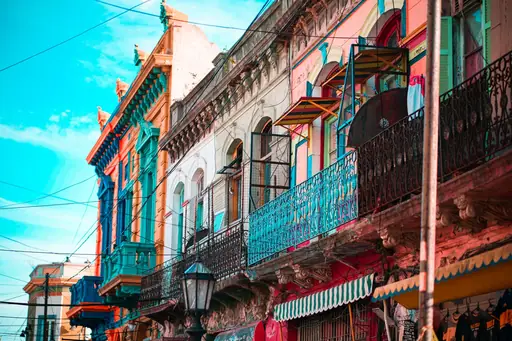
Discover
Best solo travel destinations in South America
South America has a way of pulling solo travelers in deeper than they planned. A week in Colombia turns into a month. The bus north from Patagonia keeps stopping somewhere worth…
Read more

Discover
Top cozy towns and quaint villages
Some towns have an atmosphere that's hard to manufacture deliberately: scale, architecture and a pace of life that makes a short visit feel unusually restorative. The best of them…
Read more

Discover
Best travel destinations for food allergies
Traveling with a food allergy adds a layer of planning most people never have to think about, and the right destination can make that planning a lot easier. Some travelers…
Read more

Discover
Top art destinations and cultural hubs
For many travelers, standing in front of a painting they have only ever seen in books is one of the best moments of a trip, and it often feels very different from what they…
Read more

Discover
Top New Year's Eve celebrations and holiday spots
How you want to spend New Year's Eve says a lot about what kind of year you are hoping to start, and the best destinations reflect that same range of moods. Some travelers want…
Read more
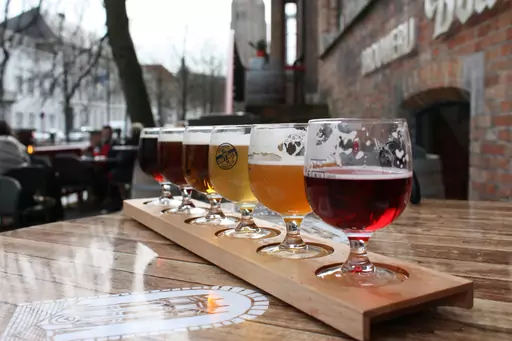
Discover
Top beer destinations and famous breweries
Beer travel has developed a dedicated following built around the explosion of craft and independent brewing that has transformed the offer in many countries over the past two…
Read more
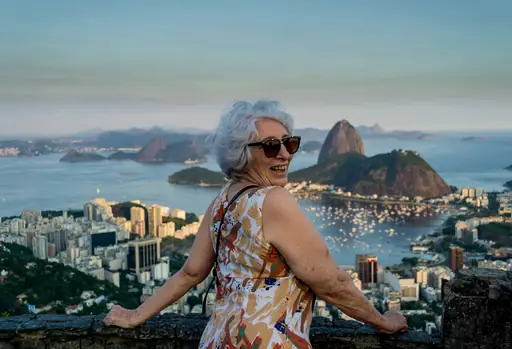
Discover
Best travel destinations for seniors in South America
South America has real appeal for older travelers, though a bit more planning goes into some parts of the continent than others. Buenos Aires and Santiago offer walkable, well…
Read more
What other users say about travelfilters
“travelfilters made it easy for me to find ski areas and compare what else they offer, so that I could find the best place for my personal travel style.”

Chris
Snowboarding & Onsen trip to Japan
“I love how transparent the data feels. There is no pushy upsell, just honest information and settings I can tune to my own travel style.”

Maria
After booking her 2027 winter escape
“The level of detail for each destination and how well those are displayed, make planning feel confident instead of overwhelming.”

Mina
Planned a week in New York City
“We used travelfilters for our planning from start to end. The trip turned out even better than expected, thanks to all their tools and customization options.”

Allan & Etienne
Trip to Japan to see autumn foliage
“Thanks to travelfilters, I found some hidden gems to see. Being able to filter for exactly your interests is a game changer for my travel planning.”

Michael
Tour through the old cities of Northern Italy
“The customizable filters helped me find a quiet beach town with good wifi and low season crowds in under five minutes.”

Diego
Weekend Escape to Llanes, Spain
“The airport connection map saved me hours by showing good flight options from my home airport to lesser-known cities.”

Nguyen
Planning a 2027 trip to France
“The website is clean, fast and focused on the search itself, which makes travelfilters feel more like a professional tool than an ad-heavy booking site.”

Hassan
Christmas Market trip, Germany
