








Was this page helpful?

| Opening hours: |
|
||||
|---|---|---|---|---|---|
| Public website: | en.wakayamafarm.com |
| Power Grid: |
100 V, 50 Hz Plug: Type A
Type A:
 Read about power adapters |
|---|---|
| Currency: |
Japanese Yen (JPY) $1 ≈ ¥158 |
| Cashless info: |
Rating 4/5
Cashless payments are becoming more common, especially in cities, with some shops still preferring cash. Be prepared for occasional cash-only situations in rural areas.
Save with a travel credit card |
| eSIM providers: |
Best value: Saily Flexibility: Airalo Read our in-depth comparison |
| Tipping: | Tipping is not customary in Japan and can be considered rude. Excellent service is the norm, and tipping is unnecessary in most places. |
|---|---|
| Public drinking: | Public drinking is legal and commonly accepted, particularly during festivals and events. |
| Public smoking: | Smoking is prohibited in indoor public places but allowed in designated outdoor areas. Some restaurants may have smoking sections. |
| New Year (January) |
One of the most important holidays, expect crowded temples and high prices. Plan ahead. |
|---|---|
| Golden Week (April-May) |
The busiest travel time, expect high demand for accommodation and transportation. |
| Obon (August) |
A time to honor ancestors, many businesses close, and transportation can be crowded. |
| Emergency contact: | Emergency Number: 110 (Police), 119 (Fire & Ambulance) |
|---|---|
| Taxi apps: | Uber, JapanTaxi, DiDi |
| Other: | Japan is a country of respect, so understanding local customs and etiquette is important. Public transportation is efficient, but can be crowded during peak hours. |
The best times to travel section shows how the months compare for a visit, so you can find the time of year that fits what you want to do.
Background colors of the months:
The color shows the typical temperature: yellow (hot), green (mild) and blue (cold). How strong the color is shows the travel season: full color means high season, soft color means shoulder season and soft-striped means off season.
Weather symbols:
Each month has one symbol showing what the weather is typically like, such as hot and sunny, freezing or a rainy or snowy season. Use them to quickly spot months that match the weather you want, or to avoid the ones that don't.
Crowdedness:
The people icon shows how busy the place usually is. The more people, the more crowded it gets.
Additional notes:
The gray info boxes point out special things worth knowing, like recurring weather issues or seasonal events.
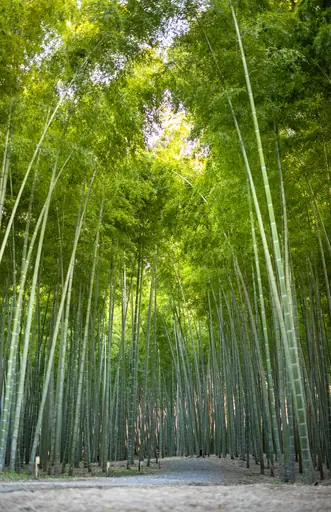
Wakayama Farm is a working farm in the hills of northern Utsunomiya. The land totals about 0.1 sq mi and its bamboo forest has tall moso bamboo whose straight green stalks form a canopy overhead and filter the light into a soft glow. It's far less crowded than the better-known bamboo groves in Kyoto, which makes it a popular choice for photographers and for anyone who wants a quiet walk among the trees.
Visitors can wander along the forest paths at their own pace or join a guided tour that explains how bamboo is grown and why it's a sustainable material. The farm family harvests bamboo shoots, a spring delicacy, along with chestnuts. A cafe and restaurant on site serves dishes made with farm-harvested shoots and chestnuts. On weekends and holidays the cafe serves matcha in a cup cut fresh from the grove, which guests can take home. Visitors can also make a bamboo lantern or try other small bamboo crafts.
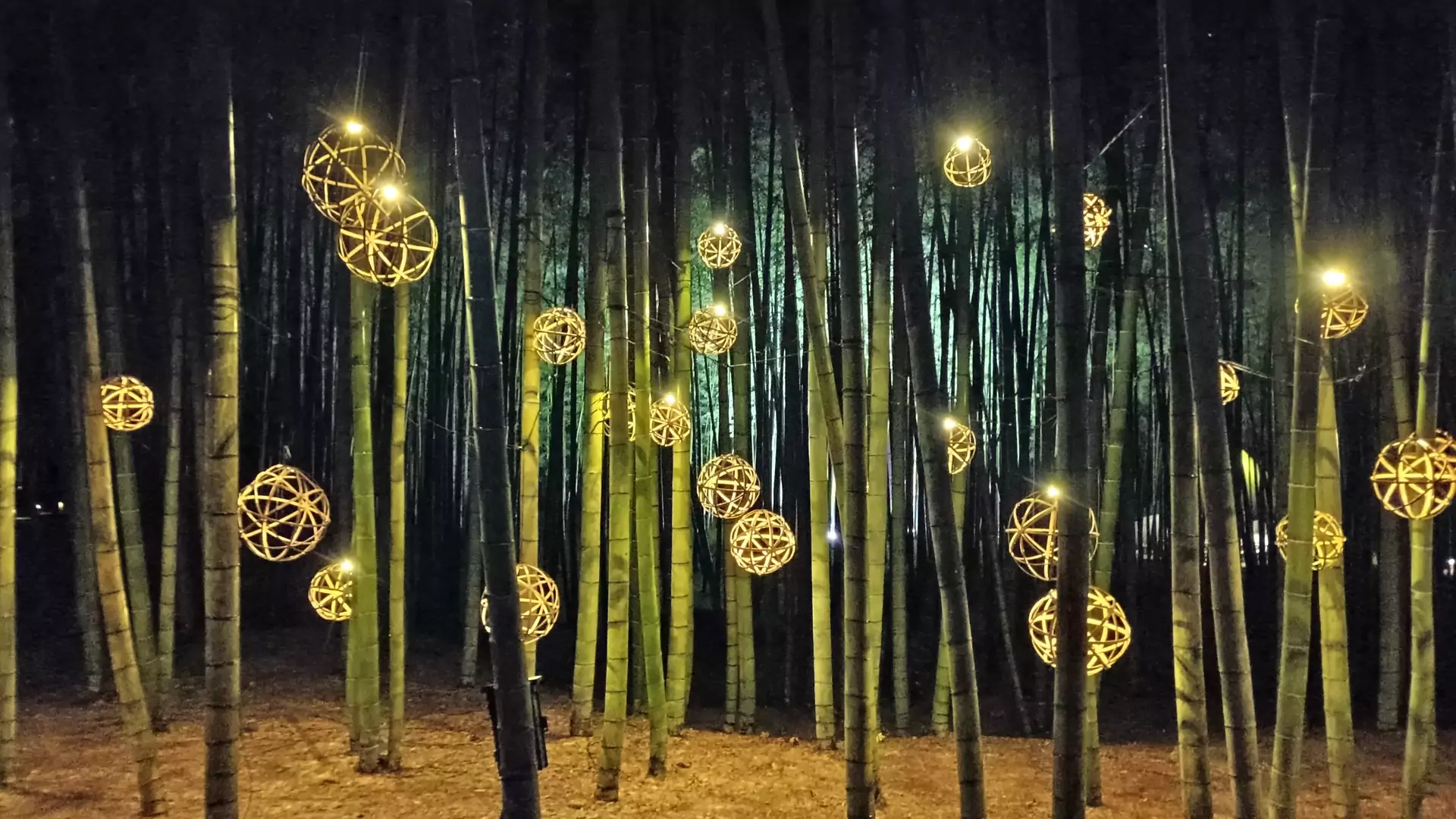
After sunset on weekends and holidays the grove is lit up and the bamboo turns a glowing green against the dark sky. The lighting is the main reason many people come in the evening. The grove is open through the year and has a different mood in each season. Spring brings the shoot harvest.
A visit usually takes one to two hours and admission is valid for the whole day, so visitors can leave and come back. Tickets can also be bought online and the last entry is 30 minutes before closing. The farm closes for the New Year holidays and on some irregular days. The paths go through a hillside forest, so expect slopes and uneven ground in places. Check the farm's official page for the latest hours and any closures before you go.
The farm is a short trip from Utsunomiya Station, which is about 50 minutes from Tokyo Station by Shinkansen. From the station's West Exit a Kanto Bus runs to Nozawateramae in about 30 minutes, followed by a walk of about 10 minutes to the farm. Bus service can be limited, so check the timetable and the last return bus before you go. By taxi or car, the farm is about 30 minutes from Utsunomiya Station. Parking arrangements aren't clear, so confirm with the farm if you plan to drive. The address is in the Takaramotohoncho area of Utsunomiya. Nikko is an easy stop on the same trip by car while Utsunomiya makes a good base.
The farm is a day visit and no lodging is listed on site. The nearest wide choice of hotels is around Utsunomiya Station, where business hotels sit close to the Shinkansen and the bus stop for the farm. Staying in Utsunomiya and visiting in the afternoon or evening works well if you want to see the lighting. For a quieter stay with hot springs, Nikko and the Kinugawa area are a drive away and have ryokan and larger resort hotels. Evening visitors should check the last bus back before they plan a stay far from the city. Weekends and holidays are the busiest times for the evening lighting, so book hotels early for those dates.
The cafe and restaurant on the farm is the main place to eat. It serves dishes made with bamboo shoots and chestnuts grown on the farm. Meals are served around midday while weekends and holidays add matcha in a fresh bamboo cup.
The cafe is normally closed on Tuesdays and on some irregular days, so check ahead. There aren't many other places to eat nearby, so plan lunch accordingly or bring snacks and drinks. Utsunomiya city has plenty of restaurants and is known for its gyoza dumplings, which makes the city a natural place for dinner after the visit.
Vegetarians should ask about ingredients since broth and meat are common in local meals.
Log in to add this place to a travel list and get a summary of all recommended items for your whole trip.
We calculate the average costs when traveling to destinations and compare those with the living costs at your home. With this you can get an estimate of how expensive or cheap the destination is for you.
To customize this, you can set up which location and price level are used for the calculations in your account settings.
The exchange rate price factor shows how expensive or cheap a currency currently is compared to its historical average. It's a quick way to see if a country is currently more or less affordable due to exchange rate changes.
