




Asia › Japan › Okinawa Island › Iriomote-Ishigaki National Park

Iriomote-Ishigaki National Park

Scroll
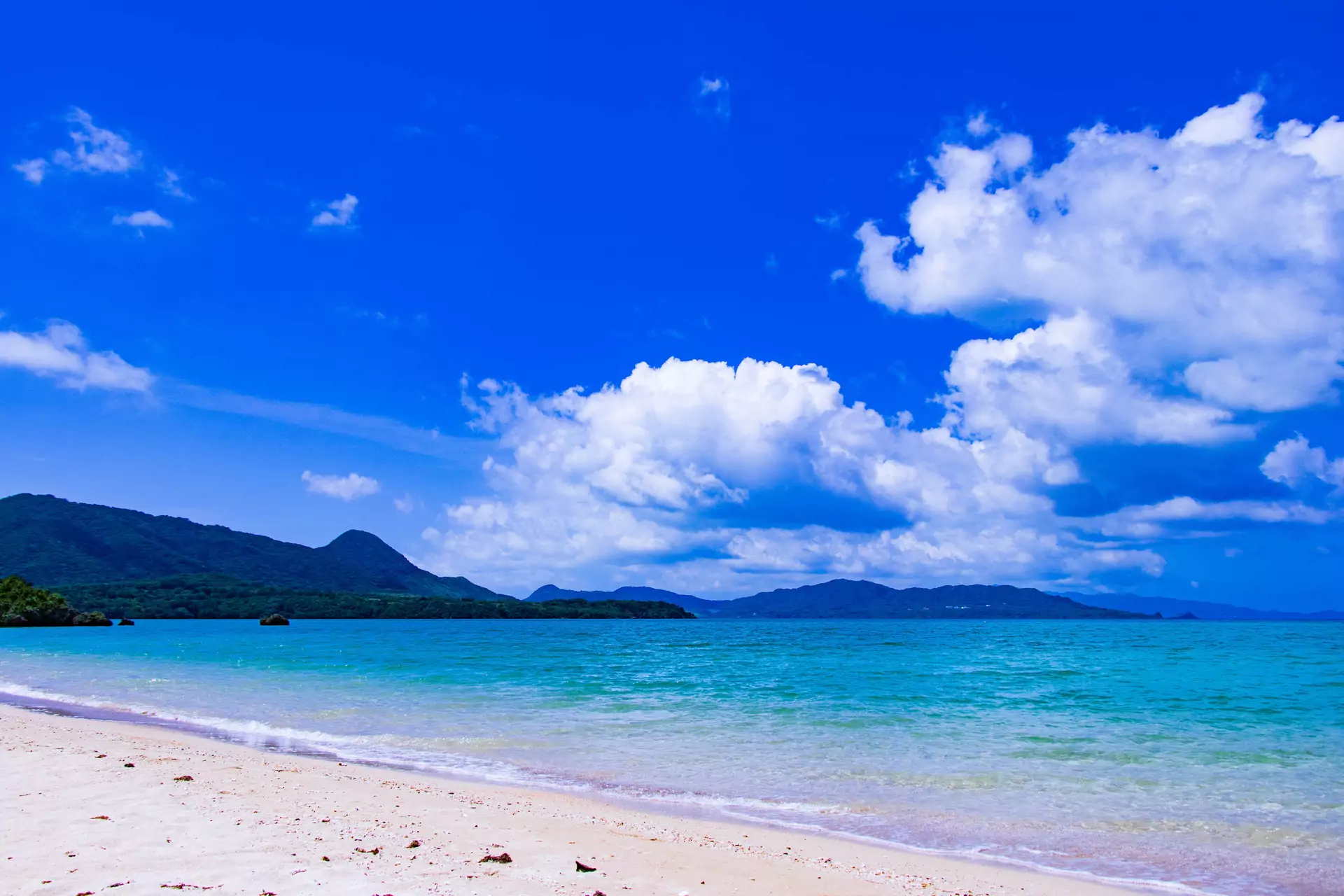
Coral lagoon, mangroves and Iriomote jungle

Iriomote-Ishigaki National Park covers a group of subtropical islands at Japan's southern edge in the Yaeyama Islands of Okinawa Prefecture. Iriomote is the largest island and is mostly jungle and mangrove forest. It shelters the rare Iriomote cat. The Sekisei Lagoon between Iriomote and Ishigaki is a major coral reef area with snorkeling and diving. Ishigaki is the main hub with the airport and ferry port. Kabira Bay is one of its best known beaches. Allow several days for the islands since ferries add travel time and rough seas can cancel them.

National Park in Japan
Climate zone: Tropical monsoon

Tropical monsoon: Tropical climates with pronounced wet and short dry seasons, dominated by monsoon winds and extremely heavy summer rains.

See climate table
Price level: $$$
$Cheap
$$Medium
$$$Expensive, upscale
$$$+Very expensive, luxury
See price details
Safety: 7.8
General Safety:9
Health & medical:6
Accessibility:5
Tap water:8
Read details
Tourist English: 3/5
In Iriomote‑ishigaki National Park, English is spoken by many park staff and local guides, especially near visitor centers and popular trails. Most signs are bilingual, making communication easy for travelers.
Last update: Oct 21, 2026
* We earn a commission from some links on this page.
Iriomote-Ishigaki National Park Summary

These place ratings give you a quick overview of how well a destination matches different types of trips.

"Best for" scores:
The specific interest scores show where this place really shines – whether it's ideal for hiking, food & drink experiences, museums or other activities. These highlights help you understand what makes the destination special at a glance.

"Your personal" scores:
This reflects how well a place matches your personal preferences. You can adjust the importances of travel topics or other personal requirements categories in your account settings.

"Suited for" badges:
These give you a quick overview of how well a destination suits specific types of travelers, to help you find the places that match your lifestyle, preferences or travel situation.

Read how our scores work
Outstanding for tropical nature and outdoor adventure. Kayak through mangrove rivers, hike jungle trails, snorkel coral reefs and explore waterfalls and remote beaches.
Place score
9.1
Best at:
Islands
10
Sea
10
Natural sites
10
Snorkeling
10
Forests
9
Personal score
?
Log in to see how this place matches your personal travel interests.
Suited for
👶 6
Families
🧓 5
Seniors
❤️ 8
Couples
👩 7
Solo
Japan – Quick facts
Power Grid: 100 V, 50 Hz
Plug: Type A
Type A:
Diagram of a Type A power plug

Read about power adapters
Currency: Japanese Yen (JPY)
$1 ≈ ¥158
Cashless info: Rating 4/5
Cashless payments are becoming more common, especially in cities, with some shops still preferring cash. Be prepared for occasional cash-only situations in rural areas.

Save with a travel credit card
eSIM providers: Best value: Saily
Flexibility: Airalo
Read our in-depth comparison
Tipping: Tipping is not customary in Japan and can be considered rude. Excellent service is the norm, and tipping is unnecessary in most places.
Public drinking: Public drinking is legal and commonly accepted, particularly during festivals and events.
Public smoking: Smoking is prohibited in indoor public places but allowed in designated outdoor areas. Some restaurants may have smoking sections.
New Year
(January)
One of the most important holidays, expect crowded temples and high prices. Plan ahead.
Golden Week
(April-May)
The busiest travel time, expect high demand for accommodation and transportation.
Obon
(August)
A time to honor ancestors, many businesses close, and transportation can be crowded.
Emergency contact: Emergency Number: 110 (Police), 119 (Fire & Ambulance)
Taxi apps: Uber, JapanTaxi, DiDi
Other: Japan is a country of respect, so understanding local customs and etiquette is important. Public transportation is efficient, but can be crowded during peak hours.
Best times to travel

The best times to travel section shows how the months compare for a visit, so you can find the time of year that fits what you want to do.

Background colors of the months:
The color shows the typical temperature: yellow (hot), green (mild) and blue (cold). How strong the color is shows the travel season: full color means high season, soft color means shoulder season and soft-striped means off season.

Weather symbols:
Each month has one symbol showing what the weather is typically like, such as hot and sunny, freezing or a rainy or snowy season. Use them to quickly spot months that match the weather you want, or to avoid the ones that don't.

Crowdedness:
The people icon shows how busy the place usually is. The more people, the more crowded it gets.

Additional notes:
The gray info boxes point out special things worth knowing, like recurring weather issues or seasonal events.

for Iriomote-Ishigaki National Park, Japan
🌧️
Jan
🌬️
Feb
🌬️
Mar
🌬️
Apr
🌦️
May
🌬️
Jun
🌬️
Jul
⛈️
Aug
🌦️
Sep
🌦️
Oct
🌧️
Nov
🌧️
Dec
High season: July - Sep.
Shoulder season: March - June, Oct. - Nov.
Crowdedness: 5 (Moderate tourist numbers)
Tap on a month for more info Hover over a month for more info
Typhoon season July to October; ferries between Ishigaki and Iriomote are often cancelled
Rainy season mid May to late June, with frequent showers and humid air
Box jellyfish possible roughly April to October; swim only in netted areas

Why travel to Iriomote-Ishigaki National Park?

Iriomote is where the park shows its wild side. About 90 percent of the island is jungle and mangrove forest and around 80 mi of coastline is ringed by coral reefs. Sightseeing boats go up the Urauchi River through the jungle toward Mariyudo Falls. Japan's largest mangrove forest grows along the Nakama River. The island is part of a UNESCO World Heritage site and is home to the Iriomote cat, a critically endangered species that few visitors ever see. The water is the second draw. The Sekisei Lagoon has more than 360 kinds of coral and is the largest coral reef in Japan. Snorkeling and diving trips leave from both islands. On Ishigaki, Kabira Bay has white sand and glass-bottom boat tours over the reef. This is a nature trip more than a resort trip. Most of Iriomote is wild and many of the best experiences, like river cruises, kayaking and reef trips, are tours. Plan three to five days to combine Ishigaki with Iriomote. Taketomi is a short ferry ride from Ishigaki and works as a half-day extra. The islands suit travelers who want snorkeling and wildlife and don't mind that weather can change plans.

🏯Places worth seeing
  • 1 Yonehara Beach
  • 2 Taketomi Island
🎡Places for activities
  • 1 Yonehara Beach
🍽️Eat & Drink
  • 1 Kitchen Matsuyama
    Yaeyama soba, a regional noodle soup, with handmade noodles. The restaurant grew out of a local bento shop and keeps a simple menu of soba and set meals. It serves lunch only and is a 5-minute walk from Ohara Port.
  • 2 Parler Mimi
    Soki soba, Okinawan noodles topped with pork cartilage, plus plain Yaeyama soba and a vegetable version. Staff also make a rich mango juice. The shop closes when the food sells out and is a short walk from Uehara Port.
  • 3 Pari no Gohanya
    Yoshoku, Japanese-style Western food, at a dining bar with omurice, an omelet wrapped around seasoned rice, on the menu. It serves dinner only and offers pickup from a nearby hotel.
  • 4 Azahaemi
    Island dishes of fresh fish, seaweed and kamai, wild boar caught nearby, at an izakaya, a Japanese pub. Lunch and dinner are both offered, and solo diners are welcome. It is near Ohara Port in the south.
  • 5 Densa Shokudo
    Okinawa soba and other home-style dishes at an everyday diner right next to Uehara Port. Travelers use it as a quick stop while waiting for the ferry. It serves meals through the afternoon and closes in the early evening.
  • 6 Ichitaka
    Pizza from a stone oven at an izakaya, a Japanese pub, that also serves classic Okinawan dishes and fresh fruit drinks. The restaurant serves dinner only and offers a shuttle service from a nearby hotel.
  • 7 Satonushi
    Wild boar tataki, lightly seared Ryukyu boar with plenty of condiments, at an izakaya, a Japanese pub. Cooks also stew boar trotters and bake pizza from handmade dough. It serves dinner only and is a 15-minute drive from Uehara Port.
  • 8 Island Italian en
    Italian food made with wild boar and island beef. Dishes include wild boar carpaccio, beef shin stewed in tomato sauce and pasta with a ragu of island beef. It serves dinner only and is a 10-minute drive from Uehara Port.
  • 9 Roco
    Island seafood, including boiled Iriomote mangrove crab and a sashimi salad. Cooks also lightly roast Ryukyu wild boar and fry rice croquettes and noodles. It is also particular about its shochu and serves dinner only.
  • 10 Hoshizuna-tei
    Okinawan home cooking from a diner run by older island residents. A grandfather and grandmother make the dishes. The diner is a stop for travelers near Hoshizuna Beach and serves lunch and an early dinner.

Knowledge before you go

  • Check the weather 48 hours ahead since ferries get cancelled.
  • Ohara Port has more crossings and fewer cancellations than Uehara Port, so choose it in rough weather.
  • Iriomote cats are mostly active at night and rarely seen, so drive slowly on island roads.
  • Mangroves and tidal flats change with the tide, so kayak and river tour times vary by day.

How to travel to Iriomote-Ishigaki National Park

Fly to Ishigaki Airport (ISG) and continue by ferry. Flights leave from Naha in about 1 hour and from Tokyo and other mainland cities in about 3 hours depending on the route. Iriomote has no airport so the ferry is the way across. Ishigaki Port is a short transfer from the airport and ferries leave from there for Iriomote, Taketomi, Kohama and Kuroshima. Crossings to Iriomote take under an hour and are operated by Yaeyama Kanko Ferry and An-ei Kanko. Timetables change with the season and the weather, so check the day before and again that morning. When waves are high the Uehara route is the first to stop. Ohara is the more dependable arrival. Build a buffer day into your plan if you have a flight to catch from Ishigaki.

Access summary

  • From Ishigaki Airport (ISG): Bus to park entrance, 35–45 min.
  • From Naha Airport (OKA): Ferry to Ishigaki (3h), then bus 30–40 min.
  • Ferry from Ishigaki to Iriomote Island: 30 min; park spans both islands.

Where to stay in Iriomote-Ishigaki National Park

Most visitors base themselves on Ishigaki and make day trips by ferry. The city has the widest choice from business hotels to larger beach resorts on the coast, plus guesthouses and restaurants within walking distance of the port. Iriomote has fewer rooms. Small guesthouses, eco-lodges and a handful of resorts are spread around Ohara, Uehara and the western coast. Staying overnight lets you start river and reef trips early. Rooms are limited and book out in summer and during holidays, so reserve early. Taketomi has small family-run inns that suit a quiet night after the day-trippers leave. If you have only a short time, staying on Ishigaki and taking a full-day tour to Iriomote is simpler than changing lodgings.

How to get around Iriomote-Ishigaki National Park

Ishigaki is the base for getting around the park. Buses and taxis serve the town and the main sights, but services are limited and ferries from Ishigaki Port connect to the other islands.

Car and scooter:
The island of Ishigaki is easiest with a rental car.
On Iriomote the road follows the coast on the east and north side and doesn't form a full loop, so you can't drive all the way around. A rental car or scooter helps there since local buses are infrequent.

Ferries to Iriomote:
Ferries from Ishigaki Port land at Ohara or Uehara.
Ohara has more departures and fewer cancellations. Uehara boats are often cancelled in high waves and in winter. In that case take the ferry to Ohara and continue by bus.

Other islands:
Taketomi, Kohama and Kuroshima have their own short ferry routes from Ishigaki Port.
Many visitors rely on tours with pick-up for the river and reef trips.

Food in Iriomote-Ishigaki National Park

Food in the Yaeyama Islands is Okinawan with local touches. Yaeyama soba is a noodle soup with thick flat noodles and Ishigaki beef is a well-known local brand. Fresh fish and shellfish are common and tropical fruit like pineapple and mango turn up in desserts and drinks in season. Awamori, the local distilled spirit, is served in most izakaya.

Ishigaki has the most restaurants and supermarkets. Iriomote has only a limited number of places to eat and many close early, so book dinner at your lodging or bring snacks. Lunch on a tour is often a boxed meal. On a budget, supermarkets and convenience stores on Ishigaki are the best place to stock up before crossing to Iriomote.

Budget snapshot
Costs compared to home

We calculate the average costs when traveling to destinations and compare those with the living costs at your home. With this you can get an estimate of how expensive or cheap the destination is for you.

To customize this, you can set up which location and price level are used for the calculations in your account settings.

-45 %
Daily expenses in the region are around 45% lower than the average across United States. That means you'll spend a lot less on meals and getting around.
Exchange rate trend

The exchange rate price factor shows how expensive or cheap a currency currently is compared to its historical average. It's a quick way to see if a country is currently more or less affordable due to exchange rate changes.

-17 %
Your exchange rate (USD to JPY) is 17% better than in recent years. That means traveling now is considerably cheaper compared to the past.

Travel costs

To help you plan your trip, we provide estimated daily costs per person (when traveling as a pair) for different travel styles. These numbers give you an idea of what you might spend each day at this destination, including accommodation, food, transport and activities.

Additionally, we also provide average hotel costs for different travel styles to give you an estimate for the accommodation only.

Please note that these are only estimates. The real costs depend on booking times, season and other factors.

Daily cost summary

Travel style categories explained:

Backpacker:
Staying in hostels or budget hotels, cooking your own meals or eating cheap and choosing low-cost activities.

Mid-range:
Staying in mid-range hotels, eating at a mix of restaurants and casual spots and enjoying a variety of activities.

Luxury:
Staying in luxury hotels, dining out at high-end restaurants and enjoying premium experiences without worrying about the price.

Backpacker Mid-range Luxury
💵 Total costs per day, including accommodation
$69
$153
$459
🏨 Accommodation per night, per person
$40
$100
$280
🍝 Food per day
$22
$43
$135
🚕 Transportation per day
$7
$10
$44
Food & Drink
🍽️ Restaurant Dinner, per person
$17
🍛 Lunch Set, per person
$5.50
🍟 Fast food combo
$4.90
🍝 Preparing your own food, per day
$9
☕ Cappuccino
$3
🍺 Beer in a restaurant, 0.5 l / 16 oz
$3.20
Transportation
🚌 Public transport ticket
$1.60
🚕 Taxi Ride, 10 km / 6 mi
$27
⛽ Gas, 1 l / ¼ gal
$1.10
Other
🎞️ Movie ticket
$11.50
👩‍⚕️ Doctor's consult
$34
🤧 Cold medication
$9.50
💇 Basic haircut
$14

Safety information overview

General safety
9
The islands are very safe with low crime. The main risks are natural. Typhoons can cancel ferries and flights in late summer and autumn. Strong currents and jellyfish occur in the sea and venomous habu snakes live in forest and grass areas.
Health & Medical
6
Ishigaki has hospitals and clinics but Iriomote has only small clinics, so serious cases are transferred to Ishigaki or Naha. Carry any regular medication and travel insurance. Strong sun, heat and mosquitoes are the main everyday health concerns.
Accessi­bility
5
Accessibility is limited outside Ishigaki town. Ferries and boats involve steps and gangways and many beaches and trails are uneven. Iriomote's jungle trails are muddy and steep. Plan guided boat tours or resort beaches if mobility is a concern.
Tap water
8
Tap water in Ishigaki and on Iriomote is generally safe to drink like the rest of Japan. Bottled drinks are easy to buy in Ishigaki town. On Iriomote shops are few, so carry water on tours and hikes.

Looking for inspiration?

Discover
Best stargazing destinations in Asia
Asia's dark sky options range from high-altitude Himalayan plateaus and cold desert regions of the interior to remote island locations scattered across the Pacific and Indian…
Read more
Discover
Best cherry blossom destinations in Asia
Cherry blossom season turns parts of Asia into a completely different place for a few short weeks each year, drawing travelers who plan their entire trip around a single bloom.…
Read more
Discover
Best couple vacation destinations in Asia
Asia is perfect for couples who want their holiday to feel like a shared adventure rather than just a change of scenery. Few continents offer so many ways to be amazed together.…
Read more
Discover
Top cherry blossom destinations and spring blooms
Cherry blossom season is brief and weather-dependent almost everywhere it happens, which is part of why it draws so much dedicated travel. The bloom typically lasts only a week or…
Read more
Discover
Best destinations for first-time travelers in Asia
Asia has one of the best established beginner travel routes anywhere, largely because so many first time travelers have worn the path before you. Southeast Asia in particular…
Read more
Discover
Top digital nomad destinations and remote work hubs in 2026
Working from anywhere in the world sounds simple until you actually try it, and the best digital nomad destinations look different depending on what kind of remote worker you are.…
Read more
Discover
Best couple vacation destinations
Travelling as a couple sounds simple enough, yet the best couple vacation destinations mean something different to almost every pair. What feels romantic to one couple can feel…
Read more
Discover
Best travel destinations for seniors in Asia
Asia offers some of the most senior friendly infrastructure anywhere, alongside destinations that still call for a bit more independence and stamina. Japan in particular stands…
Read more
Discover
Top digital nomad destinations and remote work hubs in Asia
Asia has quietly become one of the most popular continents for remote work, and it is easy to see why once you look past the obvious hubs. Some remote workers gravitate toward…
Read more
Discover
Best destinations for first-time travelers
A first trip abroad works best somewhere that eases you in, rather than throwing every possible culture shock and logistical headache at you at once. Some first-time travelers…
Read more
Discover
Top stargazing destinations and dark sky reserves
The best dark sky destinations are found far from urban light pollution, typically in high-altitude deserts, remote island locations and vast uninhabited interior regions.…
Read more
Discover
Best travel destinations for seniors
Senior travel covers a wide range, from slow, low effort trips built around comfort to more independent trips for travelers who still want to cover plenty of ground. Some…
Read more
Discover
Most beautiful beaches and coastal escapes
For a lot of people, a beach is the whole point of a holiday, but what makes a beach day perfect really depends on personal taste. Some travellers want isolation and the feeling…
Read more
Discover
Stunning national parks and wilderness areas
National parks exist because someone decided that certain landscapes were too important to lose. The best of them protect ecosystems, wildlife and natural processes that would…
Read more
Discover
Intimate escapes and romantic getaways
The most memorable trips for couples tend to have less to do with luxury and more to do with the quality of shared experience. A place that slows you down, removes the usual…
Read more
Feedback
