Asia › Japan › Hokkaido › Noboribetsu › Climate

Noboribetsu climate data

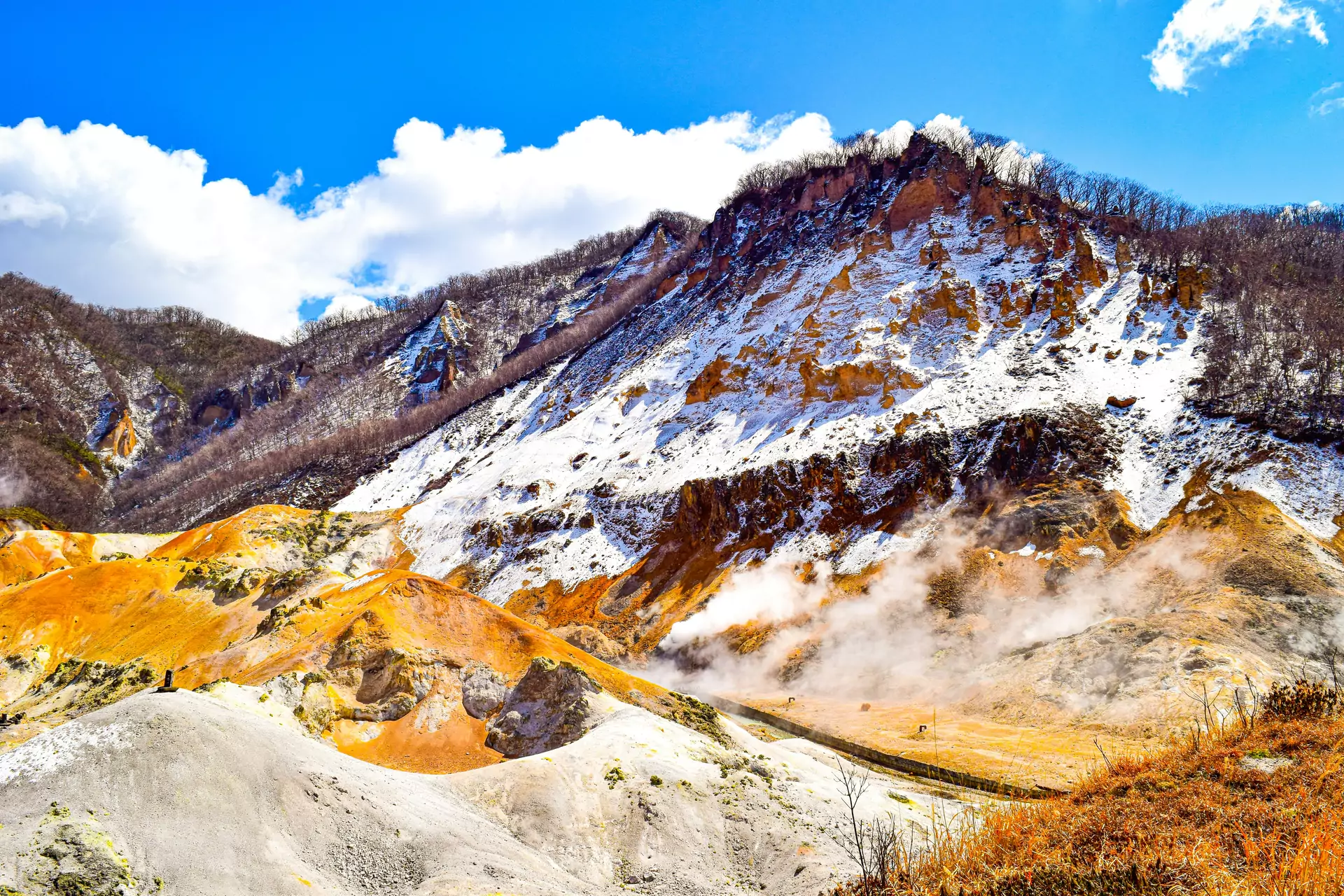
Noboribetsu, located in Hokkaido, features a humid continental climate with dramatic seasonal contrasts. Summers are mild to warm and humid, while winters are long, cold, and snowy. With abundant precipitation throughout the year and frequent fog, Noboribetsu is renowned for its onsen, volcanic landscapes, and beautiful seasonal scenery.

Best times to travel

The best times to travel section shows how the months compare for a visit, so you can find the time of year that fits what you want to do.

Background colors of the months:
The color shows the typical temperature: yellow (hot), green (mild) and blue (cold). How strong the color is shows the travel season: full color means high season, soft color means shoulder season and soft-striped means off season.

Weather symbols:
Each month has one symbol showing what the weather is typically like, such as hot and sunny, freezing or a rainy or snowy season. Use them to quickly spot months that match the weather you want, or to avoid the ones that don't.

Crowdedness:
The people icon shows how busy the place usually is. The more people, the more crowded it gets.

Additional notes:
The gray info boxes point out special things worth knowing, like recurring weather issues or seasonal events.

for Noboribetsu, Japan
🌨️
Jan
🌨️
Feb
🌨️
Mar
🌤️
Apr
🌤️
May
🌥️
Jun
🌧️
Jul
🌦️
Aug
🌤️
Sep
🌤️
Oct
🌥️
Nov
🌨️
Dec
High season: Jan. - Feb., July - Aug., Oct.
Shoulder season: March, May - June, Sep., Dec.
Crowdedness: 7 (Many tourists)
Tap on a month for more info Hover over a month for more info
Autumn leaves in Jigokudani and the surrounding hills usually peak mid to late October
Noboribetsu Jigokudani Oni Festival (Hell Valley Demon Festival): late August, with fire parade and demon floats
Winter: some hiking paths around Hell Valley and the crater lakes can be icy or closed

The climate of Noboribetsu

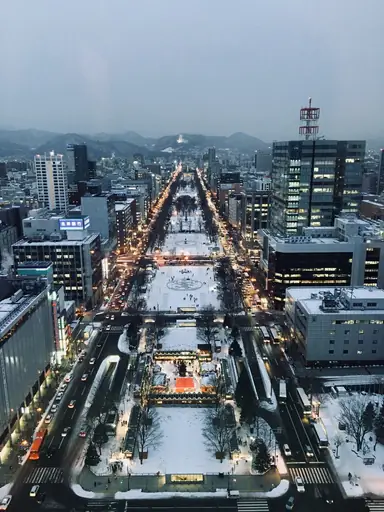
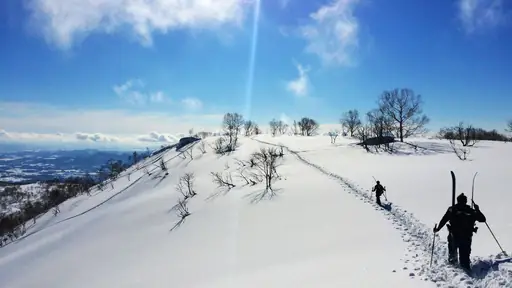
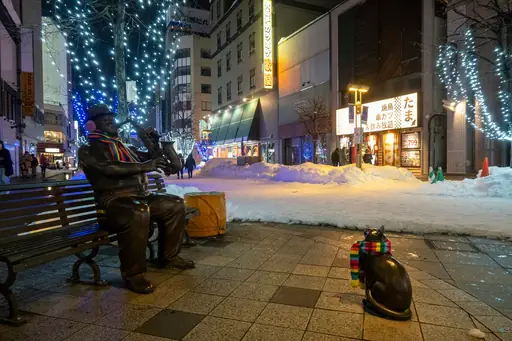
Noboribetsu’s climate is shaped by its northern location and elevation of around 466 meters. Winters (December–March) are cold and snowy, with average highs of -4°C to 1°C and lows often below -7°C. Snowfall is frequent and heavy, creating a picturesque landscape ideal for winter activities and onsen bathing. January is the driest month, but still sees significant snow, while December and February are also snowy and cold. Sunshine is scarce in winter, with only about 2.9–7.8 hours per day.

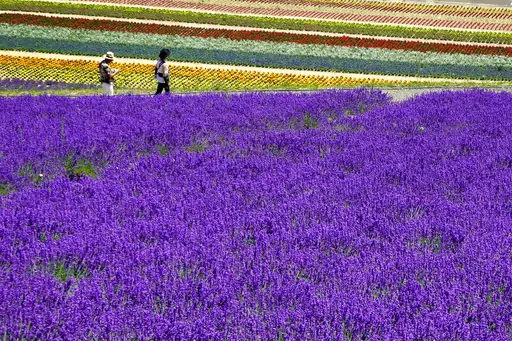
Summers (June–August) are mild to warm, with average highs of 22–26°C in July and August and lows around 13–19°C. Humidity is high, and rainfall peaks in August, which is also the wettest month with up to 250 mm of rain. The rainy season brings frequent showers and occasional fog, but summer is still pleasant for hiking and outdoor activities. Spring and autumn are transitional, with spring bringing cherry blossoms in May and autumn showcasing vibrant foliage in September and October. Noboribetsu receives about 1,300 mm of precipitation annually, with roughly 97 rainy days per year and high relative humidity (averaging 85%). Sea temperatures are only suitable for swimming in August and September, when they reach 20°C or higher.

Average climate data for Noboribetsu, Japan
Month Jan Feb Mar Apr May Jun Jul Aug Sep Oct Nov Dec Year
Average maximum temperature (°F) 28 29 35 46 57 63 71 74 68 56 44 32 74
Average minimum temperature (°F) 20 19 25 35 44 52 60 64 57 46 35 24 19
Average precipitation (inch) 2 2 3 2 3 3 4 5 3 3 2 3 34
Average rainfall days (days) 10 8 11 14 16 18 20 19 17 16 16 14 178
Average snowfall (inch) 8 9 7 2 0 0 0 0 0 0 2 7 35
Average snowfall days (days) 23 21 16 4 0 0 0 0 0 0 7 20 91
Average relative humidity (%) 83 84 82 78 81 87 89 88 81 76 78 80 82
Average wind speed (mph) 10 10 9 8 7 6 6 6 7 9 10 11 8
Average daily daylight hours (h) 9 10 11 13 14 15 14 13 12 11 9 9 12
Average daily sunshine hours (h) 3 3 5 8 8 7 6 7 7 6 4 3 6
Average cloud coverage (%) 66 67 55 45 47 54 59 54 41 39 52 65 54
Average UV index 1 2 2 3 4 4 5 5 4 3 2 1 3

Travel info

  • Spring (March–May): Chilly to mild (0–15°C), cherry blossoms bloom in May, moderate rainfall. Layered clothing and a jacket are recommended, as nights remain cool.
  • Summer (June–August): Mild to warm (13–26°C), high humidity, frequent rain and fog, especially in August. Bring rain gear, breathable clothing, and sun protection.
  • Autumn (September–November): Cool and crisp (3–21°C), beautiful fall foliage from late September to October, moderate rainfall. Pack layers and a rain jacket for changing conditions.
  • Winter (December–February): Cold and snowy (–8–1°C), frequent snow, icy conditions. Dress in thermal layers, waterproof boots, gloves, and a warm coat for outdoor activities and onsen visits.
  • Sea swimming is only comfortable in August and September, when water temperatures reach 20°C or above.
  • Winter is ideal for hot springs and snow activities; summer is best for hiking and festivals.
  • Weather can change rapidly; always check forecasts and pack accordingly.

The best time to visit Noboribetsu

The best time to visit Noboribetsu is from May to October. Spring and early summer (May–June) offer cherry blossoms and pleasant hiking weather, while late summer and early autumn (August–October) provide comfortable temperatures, vibrant foliage, and lively festivals. These months are ideal for enjoying both the natural scenery and Noboribetsu’s famous hot springs.

The worst time to visit Noboribetsu

The least favorable time to visit is from December to March if you dislike cold and snow. Winters are long, with heavy snowfall, icy roads, and limited daylight. However, this season is magical for those seeking snowy landscapes and relaxing in onsen, but requires preparation for harsh winter conditions.

Frequently asked questions

What is the climate like in Noboribetsu throughout the year?

Noboribetsu has a humid continental climate with mild, humid summers and long, cold, snowy winters. The area experiences significant precipitation year-round, with dramatic seasonal temperature swings.

When is the rainy season in Noboribetsu?

The rainy season peaks in August, which is also the wettest month, with frequent showers and high humidity. June and July are also rainy, but less so than August.

Does Noboribetsu get snow in winter?

Yes, Noboribetsu experiences heavy snowfall from December to March. Winters are cold, with average lows below –7°C, making it ideal for snow activities and hot spring bathing.

When is the best time to see cherry blossoms in Noboribetsu?

Cherry blossoms in Noboribetsu typically bloom in May, later than in most of Japan due to the northern location and cooler climate.

Is Noboribetsu suitable for swimming and beach activities?

Sea swimming is only comfortable in August and September, when water temperatures reach 20°C or higher. The rest of the year, the sea is too cold for swimming.

What is the sunniest month in Noboribetsu?

May is the sunniest month in Noboribetsu, with about 6.6 hours of sunshine per day. December is the darkest, with only 2.9 hours of sunlight daily.

How should I prepare for winter travel in Noboribetsu?

Pack thermal layers, waterproof boots, gloves, and a warm coat. Roads and paths can be icy, so non-slip footwear is recommended. Winter is also the best time to enjoy Noboribetsu’s famous hot springs.

Minimum and maximum temperatures in Noboribetsu

The warmest month, with the highest average maximum temperature, is August (73.8 °F). The month with the lowest average maximum temperature is January (28.1 °F). Overall, the average maximum temperature over the whole year is 50.3 °F.

The month with the highest average minimum temperature is August (63.8 °F). The coldest month, with the lowest average minimum temperature, is February (18.7 °F). Overall, the average minimum temperature over the whole year is 40.1 °F.

Rainfall amount in Noboribetsu

The wettest month, with the highest amount of precipitation, is August (4.7 inch). The driest month, with the least amount of precipitation, is January (1.6 inch). Over the whole year there are 33.5 inch of rainfall on average.

Rainfall days in Noboribetsu

The month with the most days of rain is July (19.5 days). The month with the fewest days of rain is February (8 days). Over the whole year there are 177.9 days of rain on average.

Snowfall amount in Noboribetsu

The month with the most snowfall is February (8.9 inch). The months with the least snowfall are May, June, July, August, September and October (0 inch). Over the whole year there are 35.3 inch of snowfall on average.

Snowfall days in Noboribetsu

The month with the most days of snowfall is January (22.7 days). The month with the fewest days of snowfall is August (0 days). Over the whole year there are 91.3 days of snowfall on average.

Relative humidity in Noboribetsu

The month with the highest average relative humidity is July (89.2 %). The month with the lowest average relative humidity is October (75.8 %). The overall average relative humidity over the whole year is 82.2 %.

Wind speed in Noboribetsu

The windiest month, with the highest average wind speed, is December (11 mph). The calmest month, with the lowest average wind speed, is July (5.9 mph). The overall average wind speed over the whole year is 8.3 mph.

Cloud coverage in Noboribetsu

The month with the cloudiest skies, so the highest cloud coverage, is February (67.2 %). The month with the clearest skies, so the lowest cloud coverage, is October (39 %). Over the whole year there is an average cloud coverage of 53.8 %.

Daylight hours and sunshine hours in Noboribetsu

The month with the longest days, so the most daylight, is June (Average daylight: 15 h). The month with the shortest days, so the least daylight, is December (Average daylight: 9 h). Over the whole year there are 11.7 h of daylight per day on average.

The month with the most sunshine per day is May (Average sunshine: 8.1 h). The month with the least sunshine per day is December (Average sunshine: 3 h). Over the whole year there are 5.6 h of sunlight per day on average.

UV index in Noboribetsu

The months with the highest average UV index are July and August (UV index: 5). The months with the lowest average UV index are January and December (UV index: 1). Over the whole year the average UV index is 3.

Was this page helpful?
Feedback