
Last update: Oct 23, 2026
* We earn a commission from some links on this page.
French Polynesia Summary
These place ratings give you a quick overview of how well a destination matches different types of trips.
"Best for" scores:
The specific interest scores show where this place really shines – whether it's ideal for hiking, food & drink experiences, museums or other activities. These highlights help you understand what makes the destination special at a glance.
"Your personal" scores:
This reflects how well a place matches your personal preferences. You can adjust the importances of travel topics or other personal requirements categories in your account settings.
"Suited for" badges:
These give you a quick overview of how well a destination suits specific types of travelers, to help you find the places that match your lifestyle, preferences or travel situation.
Suited for
French Polynesia – Quick facts
| Power Grid: |
110 V, 60 Hz Plug: Type A , Type B
Type A:
  Read about power adapters |
|---|---|
| Currency: |
CFP Franc (XPF) $1 ≈ CFPF 107 |
| Cashless info: |
Rating 4/5
Cashless payments are widely accepted in larger cities and tourist areas, but cash is often preferred in more rural locations. Credit cards are commonly used in resorts and hotels.
Save with a travel credit card |
| eSIM providers: |
Best value: Saily Read our in-depth comparison |
| Tipping: | Tipping is not mandatory in French Polynesia but appreciated. A 10% tip is common in restaurants, and small tips for hotel staff and taxi drivers are welcome. |
|---|---|
| Public drinking: | Public drinking is not permitted in many areas of French Polynesia, and alcohol is typically consumed in licensed venues such as bars and restaurants. |
| Public smoking: | Smoking is prohibited in indoor public spaces but is allowed in designated outdoor areas. |
| French National Day (July 14) |
Celebrates France's national holiday |
|---|---|
| Heiva Festival (July) |
A celebration of traditional Polynesian culture and dance |
| Emergency contact: | Emergency Numbers: 17 (Police), 15 (Ambulance), 18 (Fire) |
|---|---|
| Taxi apps: | Uber |
| Other: | French Polynesia is known for its stunning islands, crystal-clear waters, and overwater bungalows. It's a popular destination for luxury tourism, snorkeling, diving, and experiencing Polynesian culture. |
Best times to travel
The best times to travel section shows how the months compare for a visit, so you can find the time of year that fits what you want to do.
Background colors of the months:
The color shows the typical temperature: yellow (hot), green (mild) and blue (cold). How strong the color is shows the travel season: full color means high season, soft color means shoulder season and soft-striped means off season.
Weather symbols:
Each month has one symbol showing what the weather is typically like, such as hot and sunny, freezing or a rainy or snowy season. Use them to quickly spot months that match the weather you want, or to avoid the ones that don't.
Crowdedness:
The people icon shows how busy the place usually is. The more people, the more crowded it gets.
Additional notes:
The gray info boxes point out special things worth knowing, like recurring weather issues or seasonal events.
for French Polynesia, French Polynesia
Society Islands (Tahiti, Moorea, Bora Bora) are wettest November to April, the Tuamotus are drier, all islands stay warm year-round
Heiva i Tahiti, the dance and canoe festival, runs late June to mid-July
Don't miss
- 🏝️ Stay in an overwater bungalow above the Bora Bora lagoon
- 🤿 Dive with sharks and manta rays in Rangiroa
- 🐠 Snorkel the coral gardens of Moorea’s turquoise lagoon
- 🏞️ Hike to the waterfalls and lush valleys of Tahiti
- 💃 Join a Polynesian dance show under the stars
- 🥥 Taste fresh poisson cru at a seaside café
You've been here?
Log in to manage your own bucket list! Why travel to French Polynesia?
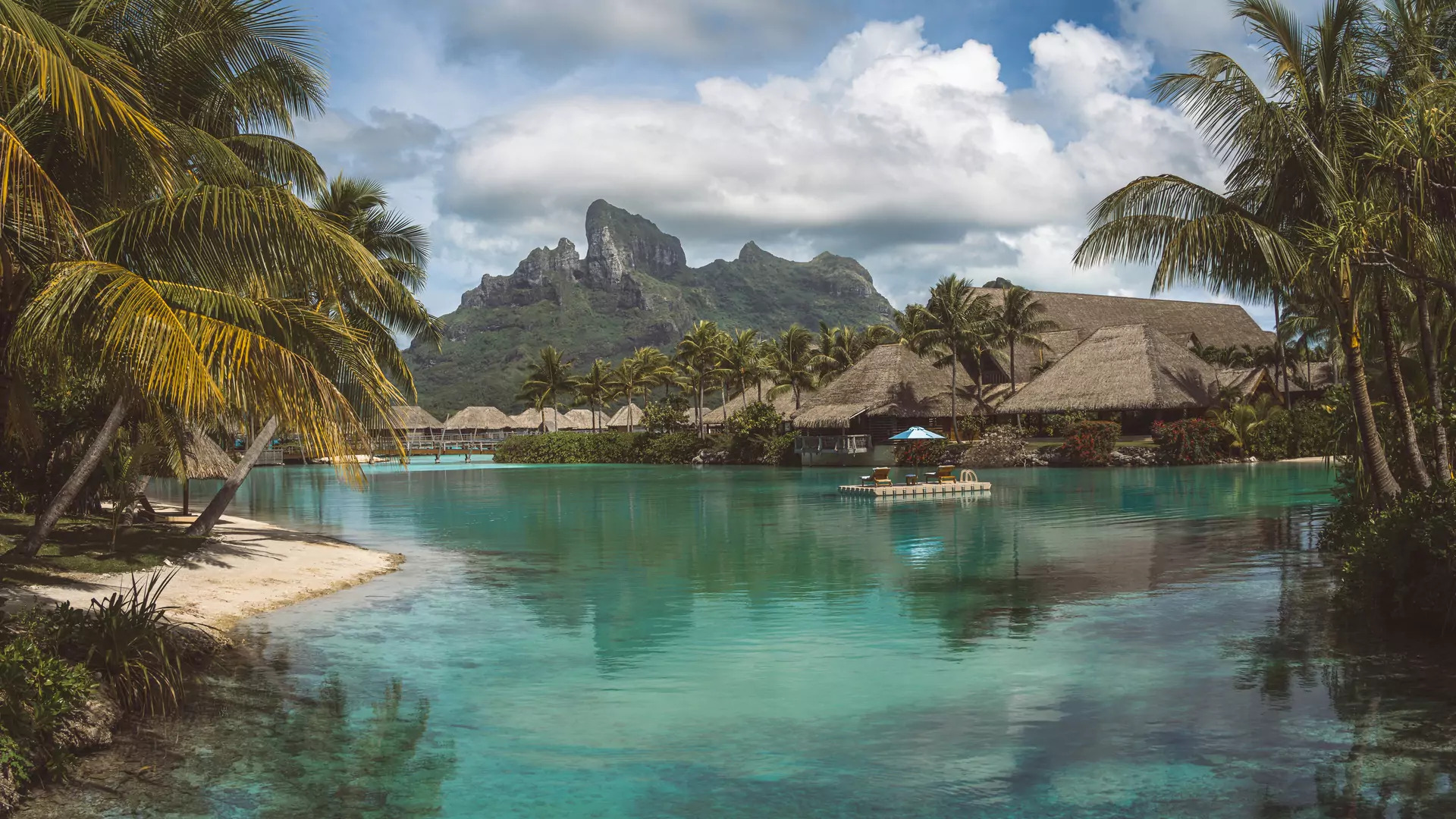
French Polynesia suits people who want lagoons, diving and a Polynesian culture with a French accent. The islands differ more than the postcards suggest. In the Society Islands, Moorea and Bora Bora have jagged peaks rising from calm lagoons. Huahine and Raiatea are quieter, with vanilla farms, old marae temple sites and small villages. Tahiti is the largest island and has the capital Papeete with its market, black sand beaches and the surf break at Teahupo'o. The Tuamotus are a different world. These low coral atolls have little land and very large lagoons. Rangiroa and Fakarava are known for drift dives with sharks, rays and big schools of fish. Fakarava is also a UNESCO biosphere reserve. Stays here are simple and mostly in small family guesthouses. Food is mainly fish plus whatever arrives by cargo boat. The Marquesas and the Austral Islands are far from everything. The Marquesas have steep green valleys, stone carvings and ancient ceremonial sites. The painter Paul Gauguin and the singer Jacques Brel are both buried on Hiva Oa. Few visitors come here and the flights are long. A first trip usually combines Tahiti with Moorea and Bora Bora over about ten days. Prices are high everywhere. Staying in guesthouses and flying between fewer islands makes a bigger difference to the budget than the choice of island. The drier months from May to October are the most popular.
🏙️Cities & Regions
-
1
Bora Bora
A small volcanic island in the Society Islands, circled by a wide turquoise lagoon and sandy islets. Mount Otemanu rises over the center. Many resorts sit on the islets in overwater bungalows, so boats are part of the stay. -
2
Tahiti
The largest island of French Polynesia, shaped like a figure eight, with the capital Papeete on its northwest coast. Black sand beaches, waterfalls and a famous surf break line the coast. Most visitors arrive here before heading to other islands.
🏯Places worth seeing
🎡Places for activities
-
1
Belvedere Lookout
🏞️Natural landmarks
-
1
Fachoda Falls
🛍️Shopping
-
1
Easy Market
🎈Events
-
Heiva i Tahiti Festival
-
Tahiti Pearl Regatta
-
Bora Bora Music Festival
-
Moorea Fish and Seafood Festival
-
Tahitian Tattoo Festival
-
Pareu Festival
-
Tahiti International Triathlon
-
Polynesian Canoe Festival
-
Fakarava Diving Festival
-
Raiatea Cultural Festival
Knowledge before you go
- Book inter-island flights early, since seats fill fast in the dry season.
- Domestic flights have strict baggage limits, so pack light for any island hopping trip.
- Outer islands have few shops and many places don't take cards, so bring cash in Pacific francs.
- Black pearls are widely sold, so buy from a reputable shop and ask for a certificate of origin.
How to travel to French Polynesia
Almost every international flight arrives at Tahiti-Faa'a International Airport (PPT), about 3 mi from central Papeete. Air Tahiti Nui, French Bee and United fly here, mostly from Los Angeles, San Francisco, Auckland and Tokyo. Flights from Los Angeles take about eight hours and from Auckland about five. From Europe you connect once and the trip often takes over 20 hours. Other islands have airports but they are served by domestic flights from Papeete. Cruise ships and yachts also call at Papeete and at several other islands. No scheduled passenger ferries link French Polynesia with other countries. Many nationalities can visit for up to 90 days without a visa, but the rules depend on your passport. French Polynesia isn't part of the Schengen area, so the rules can differ from mainland France. Your passport usually needs to be valid for at least three months after you leave. Declare anything taxable or restricted at customs.
Access summary
- Tahiti (Papeete): Fly to PPT from LAX, Paris, Tokyo.
- Moorea: 10-min flight from PPT; ferries from Tahiti.
- Bora Bora: Air Tahiti flights from PPT via Moorea/Raiatea.
Check your route from anywhere
Where to stay in French Polynesia
Where you stay depends on the island and your budget. Most visitors start with a night or two near Papeete on Tahiti, because the international flights and the ferry to Moorea are here. Moorea has resorts, small hotels and family guesthouses, called pensions. It works well for a first lagoon stay. Bora Bora is known for overwater bungalows and is the most expensive island. Guesthouses on the main island give a cheaper way to see the same lagoon. Huahine and Raiatea have small hotels and pensions in a quieter setting. The Tuamotus and Marquesas mostly have pensions, which often include meals and activities. Rooms are few, so book months ahead, especially in the drier months from May to October. Check what the rate includes, especially boat transfers and meals.
Hotel recommendations
*by rating and popularity. Commissions have no influence on the rankings.

Tahiti Airport Motel

Manava Beach Resort and Spa - Moorea

Hotel Maitai Polynesia Bora Bora

Manava Suite Resort Tahiti

Le Bora Bora by Pearl Resorts

Moorea Sunset Beach Residence

InterContinental Tahiti Resort & Spa By IHG

Royal Bora Bora

InterContinental Bora Bora & Thalasso Spa By IHG

Hilton Hotel Tahiti
How to get around French Polynesia
French Polynesia is a network of separate islands, so getting around mostly means flying or taking a boat. Papeete on Tahiti is the hub for nearly every route. Traffic drives on the right on islands with roads.
Flights:
Air Tahiti flies small planes from Papeete to nearly all inhabited islands. Some routes link islands directly. Baggage limits are strict and seats fill early in the dry season. The airline sells multi-island passes that cost less than separate tickets.
Ferries:
Fast ferries cross from Papeete to Moorea in about 30 to 60 minutes. Boats also link Raiatea, Tahaa and Huahine in the Leeward Islands. Services depend on the weather, so keep a spare day.
Cargo ships:
Cargo ships with passenger cabins serve the Tuamotus and Marquesas. They take several days and stop at small ports, which suits a slow trip but not a tight schedule.
Cars and bikes:
Rental cars are easy on Tahiti and Moorea and available on Bora Bora and Huahine. On small islands you can cycle or rent a scooter. On atolls most places are within walking distance.
Food in French Polynesia
Food in French Polynesia mixes Polynesian and French cooking. Fish, coconut and breadfruit sit beside baguettes and pastries. Most produce on the smaller islands is imported, so prices are high. The choice is widest on Tahiti, Moorea and Bora Bora. Tipping isn't expected.
Poisson cru:
Raw tuna marinated in lime juice and mixed with coconut milk, cucumber and onion. It's the national dish and appears on most menus as a starter or a light lunch.
Roulottes:
Food trucks that set up in the evening, especially on the Papeete waterfront. They sell steak with fries, chow mein, crepes and grilled fish at tables beside the truck.
Ma'a Tahiti:
A traditional feast of pork, fish, breadfruit and taro leaves cooked in an underground oven. Hotels and tour operators serve it on set nights, often with dance.
Outer islands:
Guesthouses on atolls and in the Marquesas usually serve set meals based on fish and rice. Shops are small and stock runs low between cargo deliveries, so bring snacks if you have dietary needs.
Budget snapshot
Costs compared to home
We calculate the average costs when traveling to destinations and compare those with the living costs at your home. With this you can get an estimate of how expensive or cheap the destination is for you.
To customize this, you can set up which location and price level are used for the calculations in your account settings.
Daily expenses in French Polynesia are around 9% lower than the average across United States. That means you'll spend less on meals and getting around.
Exchange rate trend
The exchange rate price factor shows how expensive or cheap a currency currently is compared to its historical average. It's a quick way to see if a country is currently more or less affordable due to exchange rate changes.
Your exchange rate (USD to XPF) is 1% worse than in recent years. That means traveling now costs around the same compared to the past.
Travel costs
To help you plan your trip, we provide estimated daily costs per person (when traveling as a pair) for different travel styles. These numbers give you an idea of what you might spend each day at this destination, including accommodation, food, transport and activities.
Additionally, we also provide average hotel costs for different travel styles to give you an estimate for the accommodation only.
Please note that these are only estimates. The real costs depend on booking times, season and other factors.
Daily cost summary
Travel style categories explained:
Backpacker:
Staying in hostels or budget hotels, cooking your own meals or eating cheap and choosing low-cost activities.
Mid-range:
Staying in mid-range hotels, eating at a mix of restaurants and casual spots and enjoying a variety of activities.
Luxury:
Staying in luxury hotels, dining out at high-end restaurants and enjoying premium experiences without worrying about the price.
| Backpacker | Mid-range | Luxury | |
|---|---|---|---|
| 💵 Total costs per day, including accommodation | |||
| 🏨 Accommodation per night, per person | |||
| 🍝 Food per day | |||
| 🚕 Transportation per day |
Food & Drink
| 🍽️ Restaurant Dinner, per person | |
|---|---|
| 🍛 Lunch Set, per person | |
| 🍟 Fast food combo | |
| 🍝 Preparing your own food, per day | |
| ☕ Cappuccino | |
| 🍺 Beer in a restaurant, 0.5 l / 16 oz |
Transportation
| 🚌 Public transport ticket | |
|---|---|
| 🚕 Taxi Ride, 10 km / 6 mi | |
| ⛽ Gas, 1 l / ¼ gal |
Other
| 🎞️ Movie ticket | |
|---|---|
| 👩⚕️ Doctor's consult | |
| 🤧 Cold medication | |
| 💇 Basic haircut |
Safety information overview
General safety
French Polynesia is generally safe, though theft happens, so keep valuables locked up and avoid isolated beaches after dark. Most risks come from the sea, with currents in reef passes and strong waves. Cyclones are possible from November to April and earthquakes can occur.
Health & Medical
Care on Tahiti is good for routine problems, but outer islands have only small clinics. Serious cases need transfer to Papeete or abroad, so insurance with evacuation cover matters. Dengue and chikungunya are mosquito risks. The only hyperbaric chamber for divers is in Papeete.
Accessibility
Access varies a lot between islands. Tahiti and the larger resorts have some step-free options, but pavements are uneven and public transport is limited. Outer islands mean small planes, boats, sand and steps. Ask your hotel about step-free rooms and boat transfers before booking.
Tap water
Tap water in Papeete and other large towns is generally treated, but quality varies by island and district. On small islands and atolls water often comes from rain tanks or desalination, so bottled water is the safer choice.
Packing recommendations for French Polynesia
Log in to add this place to a travel list and get a summary of all recommended items for your whole trip.
🥾
Hiking boots
📷
Camera
👟
Comfortable walking shoes
🚰
Reusable water bottle
🧥
Rain jacket
🕶️
Sunglasses
🪰
Insect repellent
🩱
Swimwear
🩴
Walking sandals
🤿
Snorkeling gear
🔋
Power bank
🩹
Basic first aid kit
👒
Sun hat
📷
Waterproof camera
📃
Travel insurance
👕
Quick-dry clothing
👛
Cash in multiple currencies
📱
Travel eSIM
🔌
Universal power adapter
🩺
Prescription medication
💳
Credit card with no foreign transaction fees
🛂
Passport
Related articles & guides for French Polynesia




Nearby recommended places
Looking for inspiration?

Discover
Top island destinations and tropical getaways
Island travel offers a self-contained quality that few other destination types match, with defined geography, distinct local culture and the particular atmosphere that comes from…
Read more
Discover
Top luxury island resort destinations
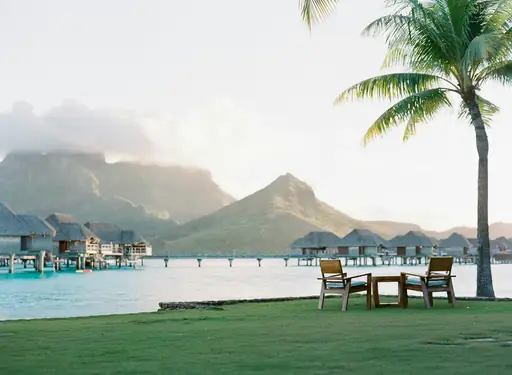
Luxury island travel is at its best when the setting and the experience reinforce each other, when the quality of what surrounds you matches the quality of where you are staying.…
Read more

Discover
Most beautiful beaches and coastal escapes
For a lot of people, a beach is the whole point of a holiday, but what makes a beach day perfect really depends on personal taste. Some travellers want isolation and the feeling…
Read more

Discover
Intimate escapes and romantic getaways
The most memorable trips for couples tend to have less to do with luxury and more to do with the quality of shared experience. A place that slows you down, removes the usual…
Read more
Discover
Top boating destinations and cruising waters
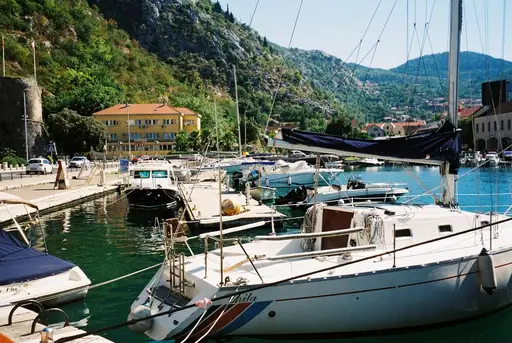
Boating travel encompasses an enormous range of experiences from river cruising and canal boating to motor yacht charter, liveaboard diving and the growing circuit of destinations…
Read more

Discover
Top luxury destinations and exclusive getaways
Luxury travel is defined less by price than by the quality of attention, access and experience that money can unlock at the top end of the market. The most rewarding luxury…
Read more
Discover
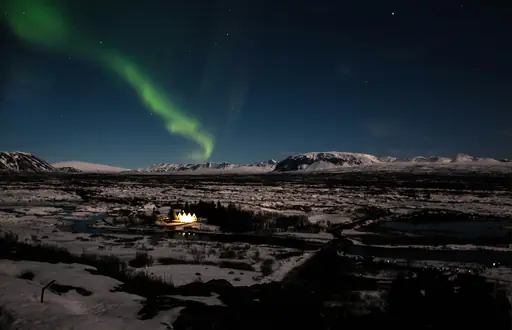
Top stargazing destinations and dark sky reserves
The best dark sky destinations are found far from urban light pollution, typically in high-altitude deserts, remote island locations and vast uninhabited interior regions.…
Read more
Discover
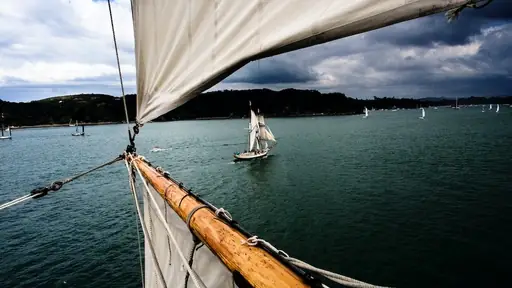
Top sailing destinations and yachting routes
A good sailing destination needs the right combination of wind, protected anchorages and enough islands or coastline variety to make a multi-day route interesting rather than…
Read more
Discover
Top rural retreat destinations and countryside getaways
Rural retreat travel is defined by the deliberate removal from urban pace and density, with landscape immersion, slower rhythms and direct engagement with food, nature and local…
Read more
Discover
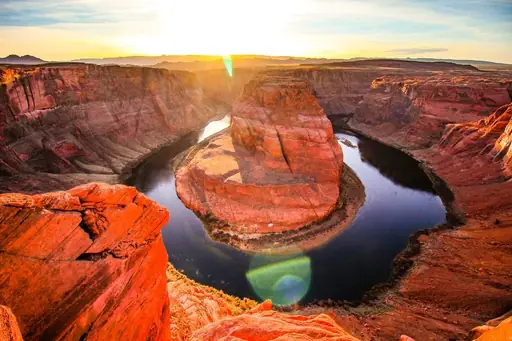
Extraordinary natural wonders and scenic landscapes
Natural wonders occupy a different category from other travel destinations. They are places where the scale, the geology, the light or the sheer improbability of what exists there…
Read more

Discover
Best travel destinations for food allergies
Traveling with a food allergy adds a layer of planning most people never have to think about, and the right destination can make that planning a lot easier. Some travelers…
Read more

Discover
Best couple vacation destinations
Travelling as a couple sounds simple enough, yet the best couple vacation destinations mean something different to almost every pair. What feels romantic to one couple can feel…
Read more
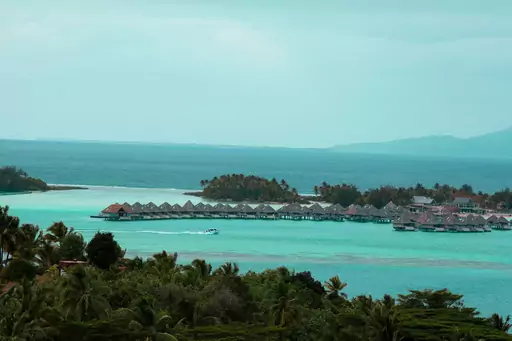
Discover
Top luxury island resort destinations in Oceania
Oceania is home to some of the most photographed luxury islands anywhere, built around clear lagoons, private resorts and a level of remoteness that is often the whole point.…
Read more
Discover
Best couple vacation destinations in Oceania
Oceania asks (most) couples for a long flight and repays them with the feeling of having reached the far edge of the map together, which can be a romance all of its own. The…
Read more
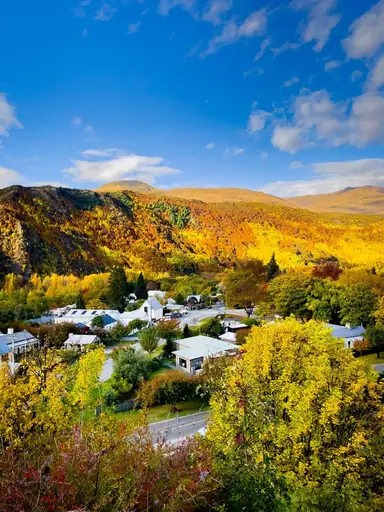
Discover
Best rural retreat destinations in Oceania
Oceania's rural retreat offer is anchored by the agricultural hinterlands, wine regions and coastal farmland of Australia and New Zealand, where a strong tradition of farm stays…
Read more
What other users say about travelfilters
“travelfilters made it easy for me to find ski areas and compare what else they offer, so that I could find the best place for my personal travel style.”

Chris
Snowboarding & Onsen trip to Japan
“I love how transparent the data feels. There is no pushy upsell, just honest information and settings I can tune to my own travel style.”

Maria
After booking her 2027 winter escape
“The level of detail for each destination and how well those are displayed, make planning feel confident instead of overwhelming.”

Mina
Planned a week in New York City
“We used travelfilters for our planning from start to end. The trip turned out even better than expected, thanks to all their tools and customization options.”

Allan & Etienne
Trip to Japan to see autumn foliage
“Thanks to travelfilters, I found some hidden gems to see. Being able to filter for exactly your interests is a game changer for my travel planning.”

Michael
Tour through the old cities of Northern Italy
“The customizable filters helped me find a quiet beach town with good wifi and low season crowds in under five minutes.”

Diego
Weekend Escape to Llanes, Spain
“The airport connection map saved me hours by showing good flight options from my home airport to lesser-known cities.”

Nguyen
Planning a 2027 trip to France
“The website is clean, fast and focused on the search itself, which makes travelfilters feel more like a professional tool than an ad-heavy booking site.”

Hassan
Christmas Market trip, Germany
