


Asia › Japan › Izu Peninsula › Shimoda

Shimoda

Scroll
White sand beaches and Perry's port town

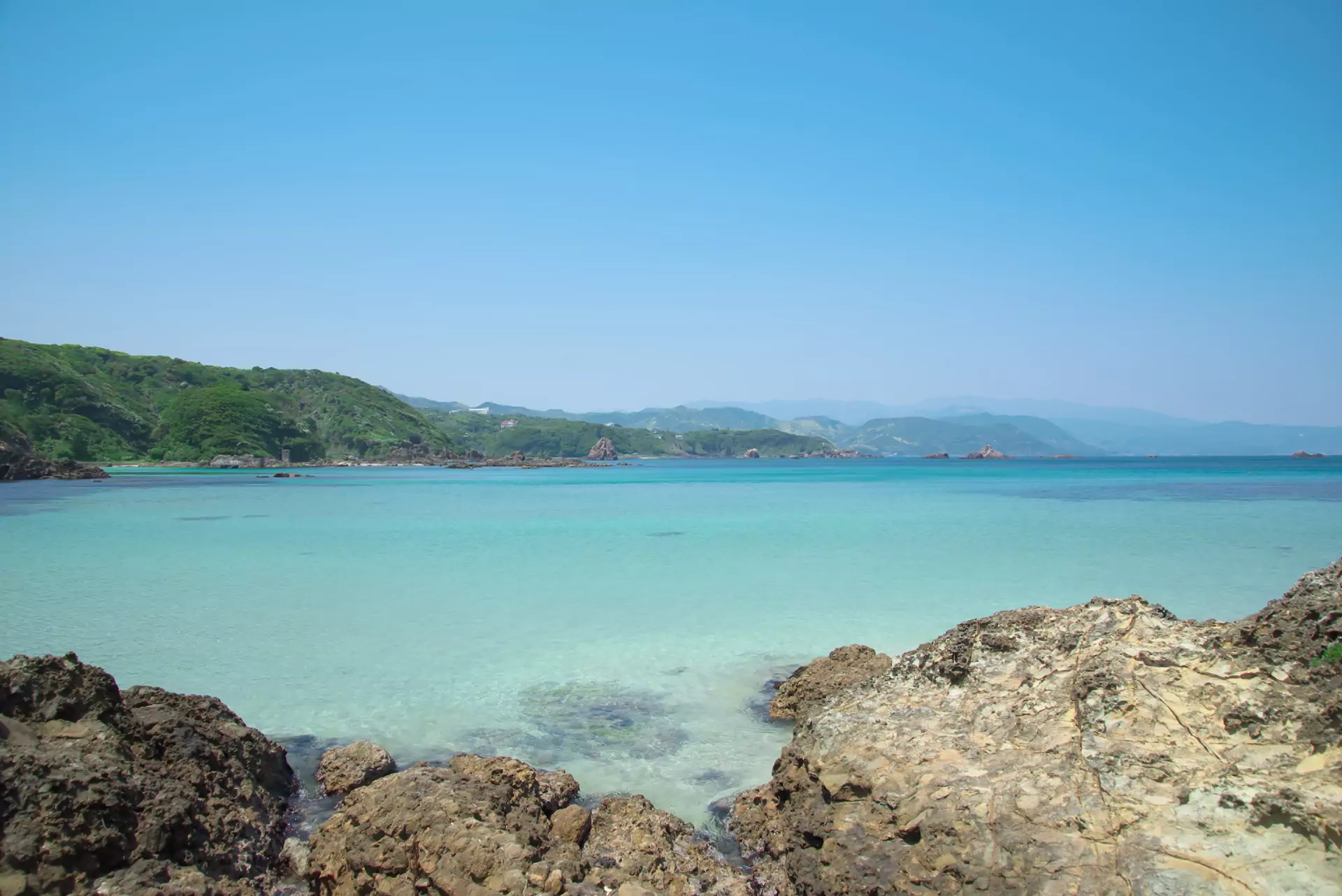
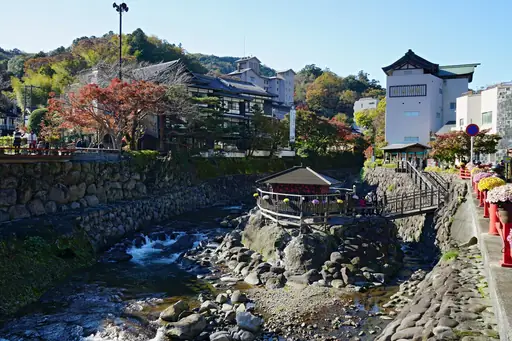
Shimoda was among the first Japanese ports opened to foreign ships after Commodore Perry's visit and is now a harbor town on the southern tip of the Izu Peninsula in Shizuoka Prefecture. That history is still visible along a willow-lined lane by the Hiraishi River and in temples such as Ryosenji. White sand beaches like Shirahama are a short bus ride away. The harbor brings in Japan's largest catch of kinmedai, a deep-sea fish served all over town. Odoriko limited express trains from Tokyo take about 2.5 hours, so Shimoda suits a summer beach trip or a hot spring stay.

Town in Japan
Climate zone: Humid subtropical

Humid subtropical: Warm temperate climates with hot, humid summers, mild winters and evenly distributed rainfall, common on eastern continental margins.

See climate table
Price level: $$$
$Cheap
$$Medium
$$$Expensive, upscale
$$$+Very expensive, luxury
See price details
Safety: 8.2
General Safety:9
Health & medical:7
Accessibility:5
Tap water:9
Read details
Tourist English: 2/5
English is spoken at major hotels, tourist centers, and some restaurants, but less so in small shops or rural inns. Most signage at attractions is bilingual. A translation app helps for deeper exploration.
Last update: Oct 19, 2026
* We earn a commission from some links on this page.
Shimoda Summary

These place ratings give you a quick overview of how well a destination matches different types of trips.

"Best for" scores:
The specific interest scores show where this place really shines – whether it's ideal for hiking, food & drink experiences, museums or other activities. These highlights help you understand what makes the destination special at a glance.

"Your personal" scores:
This reflects how well a place matches your personal preferences. You can adjust the importances of travel topics or other personal requirements categories in your account settings.

"Suited for" badges:
These give you a quick overview of how well a destination suits specific types of travelers, to help you find the places that match your lifestyle, preferences or travel situation.

Read how our scores work
Great for beaches and coastal history. Relax on sandy coves, swim and surf, visit historic temples and enjoy scenic coastal walks.
Place score
7.4
Best at:
Sea
9
Spotless
9
Beaches
8
Historic sites
8
Surfing
8
Personal score
?
Log in to see how this place matches your personal travel interests.
Suited for
👶 8
Families
🧓 6
Seniors
🛡️ 7
Travel Beginners
👩 7
Solo
Japan – Quick facts
Power Grid: 100 V, 50 Hz
Plug: Type A
Type A:
Diagram of a Type A power plug

Read about power adapters
Currency: Japanese Yen (JPY)
$1 ≈ ¥158
Cashless info: Rating 4/5
Cashless payments are becoming more common, especially in cities, with some shops still preferring cash. Be prepared for occasional cash-only situations in rural areas.

Save with a travel credit card
eSIM providers: Best value: Saily
Flexibility: Airalo
Read our in-depth comparison
Tipping: Tipping is not customary in Japan and can be considered rude. Excellent service is the norm, and tipping is unnecessary in most places.
Public drinking: Public drinking is legal and commonly accepted, particularly during festivals and events.
Public smoking: Smoking is prohibited in indoor public places but allowed in designated outdoor areas. Some restaurants may have smoking sections.
New Year
(January)
One of the most important holidays, expect crowded temples and high prices. Plan ahead.
Golden Week
(April-May)
The busiest travel time, expect high demand for accommodation and transportation.
Obon
(August)
A time to honor ancestors, many businesses close, and transportation can be crowded.
Emergency contact: Emergency Number: 110 (Police), 119 (Fire & Ambulance)
Taxi apps: Uber, JapanTaxi, DiDi
Other: Japan is a country of respect, so understanding local customs and etiquette is important. Public transportation is efficient, but can be crowded during peak hours.
Best times to travel

The best times to travel section shows how the months compare for a visit, so you can find the time of year that fits what you want to do.

Background colors of the months:
The color shows the typical temperature: yellow (hot), green (mild) and blue (cold). How strong the color is shows the travel season: full color means high season, soft color means shoulder season and soft-striped means off season.

Weather symbols:
Each month has one symbol showing what the weather is typically like, such as hot and sunny, freezing or a rainy or snowy season. Use them to quickly spot months that match the weather you want, or to avoid the ones that don't.

Crowdedness:
The people icon shows how busy the place usually is. The more people, the more crowded it gets.

Additional notes:
The gray info boxes point out special things worth knowing, like recurring weather issues or seasonal events.

for Shimoda, Japan
🌬️
Jan
🌬️
Feb
🌦️
Mar
🌦️
Apr
🌦️
May
⛈️
Jun
⛈️
Jul
☀️
Aug
🌦️
Sep
🌦️
Oct
🌬️
Nov
🌬️
Dec
High season: July - Aug.
Shoulder season: Jan. - June, Sep. - Nov.
Crowdedness: 6 (Many tourists)
Tap on a month for more info Hover over a month for more info
Beach season mid July to late August; Shirahama and Tatado beaches are busiest on weekends and during Obon in mid August
Black Ships Festival (Kurofune Matsuri) in mid May, commemorating Commodore Perry's arrival
Typhoon season August to October can cancel ferries and cause sea closures

Why travel to Shimoda?

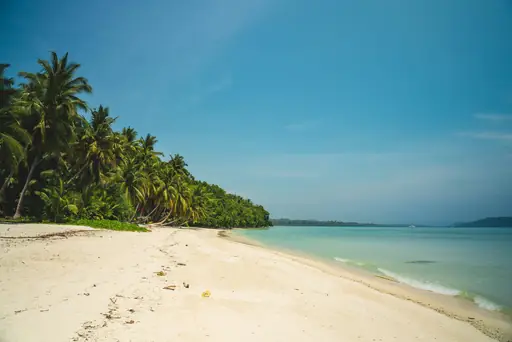
Shimoda has white sand beaches and a Perry-era history in one small town. Shirahama Ohama is a stretch of white sand about 2,300 ft long with a shrine torii on the shore. Tatadohama is a smaller cove popular with surfers. The sea is warm enough for swimming mainly from July into September. Around the Suzaki Peninsula operators run sea kayaking, snorkeling and diving tours. The history comes from Commodore Perry's visit. After it the town opened to foreign ships as a treaty port. A supplementary treaty was later negotiated at Ryosenji temple. Perry Road, a stone-paved lane along the river, is a good walk. Gyokusenji, tied to Townsend Harris, the first American consul, is a National Historic Site. The Black Ships Festival every mid-May marks the era with a parade and fireworks over the harbor. Hot springs and seafood are the other reasons to stay overnight. Saline water at about 131°F supplies the town's baths and inns. Kinmedai is the signature fish. A day trip from Tokyo is possible but means about 2.5 hours each way on the train. Two nights leave time for the beaches and the town.

🏯Places worth seeing
  • 1 Shimoda Sea Aquarium
  • 2 Mount Nesugata Station
  • 3 Perry Road
  • 4 Shimoda History Museum
  • 5 Shimoda Ropeway
🎡Places for activities
  • 1 Perry Road
  • 2 Shimoda Ropeway
  • 3 Ryosenji Temple
  • 4 MoBS Museum of Black Ship
🏞️Natural landmarks
  • 1 Shirahama Beach
  • 2 Ryugu Sea Cave
  • 3 Shimoda Bay Kurosio
  • 4 Mount Nesugata Station
  • 5 The Suzaki Peninsula Appearing From The Bottom Of The Ocean
  • 6 Cape Iro
  • 7 Shimoda Park
  • 8 GEORIA -Izu Peninsula Geopark Museum
🍽️Eat & Drink
  • 1 Ichiba no Shokudo Kinme-tei
    Kinme-tei, operated by the fishing cooperative, specializes in Shimoda kinmedai (splendid alfonsino) served as sashimi, simmered fish, fried cutlets and rice bowls. It is inside Shimoda Fish Market at 1-1 Sotogaoka, facing Shimoda Bay, about 10 minutes on foot from Izukyu-Shimoda Station.
  • 2 Shimoda Ryori Kinme-ya
    Kinme-ya serves Shimoda kinmedai and daily-sourced local fish in seafood meals, including simmered alfonsino and rice bowls. It is at 1-4-3 Higashihongo, near Izukyu-Shimoda Station and the town’s central shopping streets.
  • 3 Amimoto Ryori Tokuzo Maru Shimoda Ekimae
    Tokuzo Maru serves kinmedai and local Izu fish as sashimi, simmered dishes and seafood bowls. The Shimoda station branch is at 1-1-23 Higashihongo, about one minute on foot from Izukyu-Shimoda Station.
  • 4 Uogashi
    Uogashi serves local fish sashimi, seafood bowls and kinmedai dishes in a casual Japanese dining room. It is close to Izukyu-Shimoda Station, along the main road through central Shimoda near the Ropeway station.
  • 5 Shimoda Tokeidai Front
    Shimoda Tokeidai Front serves kinmedai rice bowls, soba and seafood curry udon, as well as coffee and sweets. It is directly by the clock tower in front of Izukyu-Shimoda Station, serving as both a meal stop and a local-products shop.
  • 6 Izu Shoin
    Izu Shoin presents seasonal seafood kaiseki courses built around the catch from Shimoda Port, often including kinmedai sashimi. It is near Shimoda Port in central Shimoda, in a traditional tatami-room setting near the waterfront.
  • 7 Kinme-dokoro Naburatoto
    Naburatoto specializes in kinmedai, serving it simmered in soy sauce, as sashimi and in set meals. It is in the Kisami district south of central Shimoda, along the coast near Kisami Ohama Beach.
  • 8 Gorosaya
    Gorosaya serves local seafood, including kinmedai and fresh fish from the Izu coast, in Japanese set meals. It is in central Shimoda near the Perry Road and Shimoda Port historic district.
  • 9 Himono Manpo
    Himono Manpo specializes in himono, traditionally dried local fish from Izu, served grilled with rice and side dishes. It is in the Sotogaoka area near Shimoda Port and the fish-market district.
  • 10 Page One
    Page One is a café-restaurant serving coffee, cakes and light meals in the historic port town. It is near Perry Road in central Shimoda, close to the old canal streets and waterfront associated with the city’s opening-to-the-world history.
🎈Events
  • Black Ship Festival (May)
  • Shimoda Fireworks Festival (August)
  • Shimoda Ropeway Night View Illumination (Summer)
  • Cherry Blossom Viewing (Spring)
  • Shimoda Port Festival
  • Shimoda Art Festival
  • New Year's Sunrise Viewing at Shirahama Beach
  • Shimoda Black Ship Festival (May)
  • Hydrangea Festival (June)
  • Kawazu Cherry Blossom Festival (Feb–Mar)
  • Minami-Izu Cherry & Canola Flower Festival (Spring)
  • Tatadohama Beach Opening (July)

Knowledge before you go

  • Mid-May brings the Black Ships Festival, so book rooms early.
  • Tokai Bus sells passes for its local routes, which can save money if you plan several beach days.
  • The Tokyo Wide Pass reaches Shimoda, while a Japan Rail Pass needs a supplement past Ito.
  • Check bus times before leaving town, since Minami Izu has few services and few places to eat.

How to travel to Shimoda

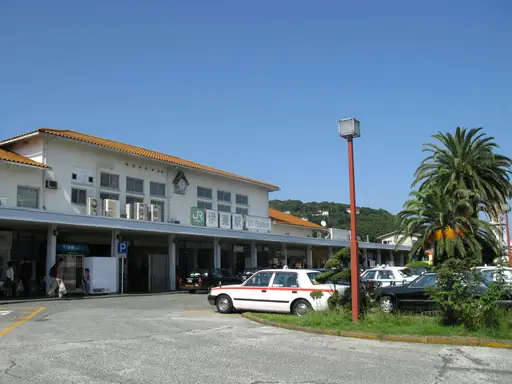
Shimoda's station is Izukyu-Shimoda, the end of the Izukyu Line. The easiest route from Tokyo is the Odoriko limited express, which runs through to Shimoda in about 2.5 hours with roughly hourly departures and needs no change of trains. You can also take the Tokaido Shinkansen to Atami and change to the Odoriko or to the Izukyu Line. From Atami the Izukyu Line takes about 70 minutes by limited express or 90 minutes by local train. Driving down the east coast is slow on weekends and holidays because of traffic. There's no airport nearby so Tokyo's airports are the main gateways for international visitors.

Access summary

  • From Tokyo Haneda (HND): Train via Tokyo, Limited Express Odoriko, about 3 hours.
  • From Tokyo: Direct Limited Express Odoriko/Saphir Odoriko trains, about 2.5–3 hours.
  • From Atami/Ito: Local/Izu Kyuko Line trains to Izukyū-Shimoda, roughly 1–1.5 hours.

Where to stay in Shimoda

Shimoda's hot spring inns are spread across five areas instead of one resort strip, so pick the area that fits your plans. Staying near the beaches suits summer trips, while the center near Perry Road and the harbor puts the sights within walking distance. Some inns have their own baths fed by the town's saline hot spring water. Most ryokan offer dinner and breakfast with local seafood. Rooms near the beaches fill up in July and August, so book ahead. Mid-May, when the Black Ships Festival is held, is another busy time. Without a car the center is the easiest base.

How to get around Shimoda

The town center is small and walkable. Most sights, including Perry Road, Ryosenji and the harbor, are within a 20 to 30 minute walk of Izukyu-Shimoda Station. Shirahama Ohama and Tatadohama are both a short bus ride out.

Buses and taxis:
Tokai Bus connects the farther sights to the station and reaches the beaches in a few minutes.
Without a car it helps to check bus times before each beach day. Taxis fill the gaps in the evening when buses thin out.

Car:
For Minami Izu beyond Shimoda, buses are infrequent and places to eat are few, so a rental car makes more sense.
Rental outlets are near Shimoda.

Food in Shimoda

Seafood from the Pacific is the base of most menus. Kinmedai (splendid alfonsino) is the specialty because Shimoda Port has the country's largest catch of it. It appears as sashimi, in rice bowls and in set meals around town. A restaurant inside the fish market serves it fresh. Ise lobster is in season from late September to early May.

Other fresh catch turns up as sushi and sashimi, which makes lunch an easy stop between sights. Hot spring inns usually serve seafood dinners that feature the local catch. Minami Izu beyond the town has few places to eat, so plan meals before a day of beach hopping.

Budget snapshot
Costs compared to home

We calculate the average costs when traveling to destinations and compare those with the living costs at your home. With this you can get an estimate of how expensive or cheap the destination is for you.

To customize this, you can set up which location and price level are used for the calculations in your account settings.

-44 %
Daily expenses in Shimoda are around 44% lower than the average across United States. That means you'll spend a lot less on meals and getting around.
Exchange rate trend

The exchange rate price factor shows how expensive or cheap a currency currently is compared to its historical average. It's a quick way to see if a country is currently more or less affordable due to exchange rate changes.

-17 %
Your exchange rate (USD to JPY) is 17% better than in recent years. That means traveling now is considerably cheaper compared to the past.

Travel costs

To help you plan your trip, we provide estimated daily costs per person (when traveling as a pair) for different travel styles. These numbers give you an idea of what you might spend each day at this destination, including accommodation, food, transport and activities.

Additionally, we also provide average hotel costs for different travel styles to give you an estimate for the accommodation only.

Please note that these are only estimates. The real costs depend on booking times, season and other factors.

Daily cost summary

Travel style categories explained:

Backpacker:
Staying in hostels or budget hotels, cooking your own meals or eating cheap and choosing low-cost activities.

Mid-range:
Staying in mid-range hotels, eating at a mix of restaurants and casual spots and enjoying a variety of activities.

Luxury:
Staying in luxury hotels, dining out at high-end restaurants and enjoying premium experiences without worrying about the price.

Backpacker Mid-range Luxury
💵 Total costs per day, including accommodation
$75
$174
$432
🏨 Accommodation per night, per person
$45
$120
$250
🍝 Food per day
$23
$44
$133
🚕 Transportation per day
$7
$10
$50
Food & Drink
🍽️ Restaurant Dinner, per person
$17
🍛 Lunch Set, per person
$6.50
🍟 Fast food combo
$5
🍝 Preparing your own food, per day
$9
☕ Cappuccino
$3
🍺 Beer in a restaurant, 0.5 l / 16 oz
$3
Transportation
🚌 Public transport ticket
$1.80
🚕 Taxi Ride, 10 km / 6 mi
$31
⛽ Gas, 1 l / ¼ gal
$1.10
Other
🎞️ Movie ticket
$12
👩‍⚕️ Doctor's consult
$42
🤧 Cold medication
$10
💇 Basic haircut
$14

Safety information overview

General safety
9
Shimoda is a very safe town with little crime. The main risks come from the sea, such as strong swell and rip currents on surf beaches and the tsunami risk on Japan's Pacific coast. Learn the evacuation signs and follow lifeguard flags in summer.
Health & Medical
7
Shimoda has a hospital and clinics for everyday care but larger hospitals are in Ito, Numazu and Mishima, well over an hour away. English-speaking care is limited. Sun and heat on the beaches in summer are the main health issues so carry water.
Accessi­bility
5
The town center and harbor are fairly flat and Perry Road is paved. Many sights are 20 to 30 minutes on foot from the station and buses are limited. Some temples have steps and the beaches are soft sand, so a taxi helps.
Tap water
9
Tap water is safe to drink here, as across Japan, so there's no need to buy bottled water. A refillable bottle helps on beach days and walks around the harbor. Convenience stores and vending machines also sell drinks in town.

Packing recommendations for Shimoda

Log in to add this place to a travel list and get a summary of all recommended items for your whole trip.

Looking for inspiration?

Discover
Most beautiful beaches and coastal escapes
For a lot of people, a beach is the whole point of a holiday, but what makes a beach day perfect really depends on personal taste. Some travellers want isolation and the feeling…
Read more
Discover
Best couple vacation destinations in Asia
Asia is perfect for couples who want their holiday to feel like a shared adventure rather than just a change of scenery. Few continents offer so many ways to be amazed together.…
Read more
Discover
Best destinations for first-time travelers in Asia
Asia has one of the best established beginner travel routes anywhere, largely because so many first time travelers have worn the path before you. Southeast Asia in particular…
Read more
Discover
Best solo travel destinations in Asia
Asia is where most solo travelers figure out they can actually do this. The backpacker trails through Southeast Asia have been running for decades, and the infrastructure along…
Read more
Discover
Top solo travel destinations and safe hubs
Traveling alone sounds like a bigger deal than it is. The first day feels strange – eating dinner by yourself, navigating without someone to double-check the map with, making every…
Read more
Discover
Best couple vacation destinations
Travelling as a couple sounds simple enough, yet the best couple vacation destinations mean something different to almost every pair. What feels romantic to one couple can feel…
Read more
Discover
Asia's best beach destinations and coastal escapes
Asia's beaches range from some of the most visited in the world to stretches of coast that see almost no tourism at all. The region has enough variety that generalisations don't…
Read more
Discover
Top historical destinations and historic sites
The most compelling history destinations are places where the past is still physically present and legible in the landscape, the architecture and the daily life of the people who…
Read more
Discover
Best destinations for first-time travelers
A first trip abroad works best somewhere that eases you in, rather than throwing every possible culture shock and logistical headache at you at once. Some first-time travelers…
Read more
Discover
Best historical destinations in Asia
Asia's historical depth is staggering, encompassing some of the oldest continuous civilisations on earth and a range of empires, belief systems and cultural traditions that have…
Read more
Discover
Stunning national parks and wilderness areas
National parks exist because someone decided that certain landscapes were too important to lose. The best of them protect ecosystems, wildlife and natural processes that would…
Read more
Discover
Intimate escapes and romantic getaways
The most memorable trips for couples tend to have less to do with luxury and more to do with the quality of shared experience. A place that slows you down, removes the usual…
Read more
Feedback
