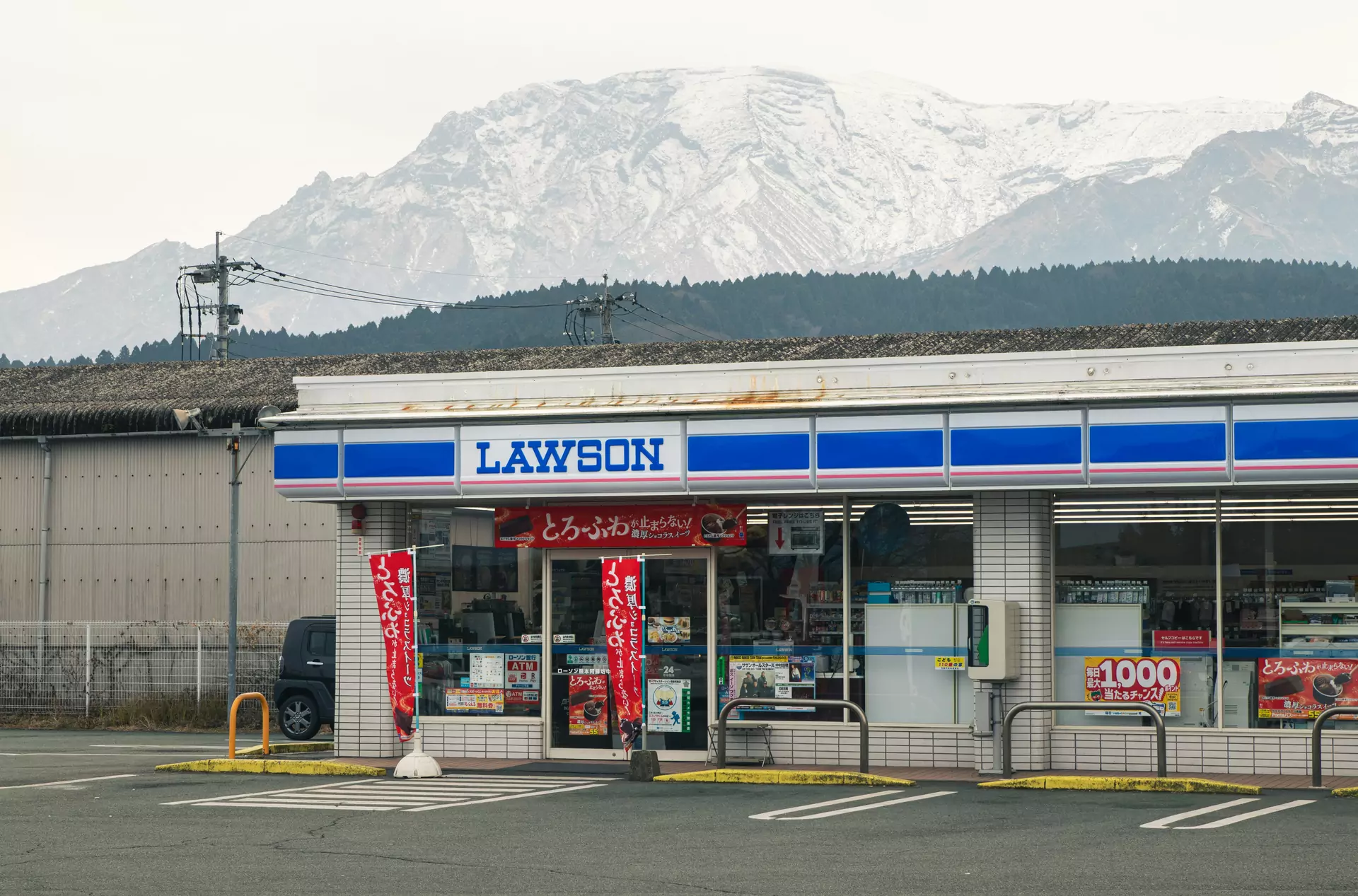

There are countless reasons to visit Japan. Some people go to see the temples and historic sites and others are fans of anime that want to experience its birth place first hand. No matter why Japan draws you in as a tourist, you can be almost certain that at some point on your trip you will end up in a convenience store like 7-Eleven, FamilyMart and Lawson. Konbinis are absolutely everywhere in Japan. “On every street corner” would be an understatement, there are more than 56,000 of them in the country.
24/7 these stores are brightly lit from both inside and outside. Meticulously clean, they are stacked full of products as far as the eye can see. They carry any basic item you might need, any day of the week, at all hours of the day and night.
Feel like a quick coffee? Hungry and would love a bento box? Craving a dessert? Spilled the coffee you just bought on your white shirt and need a replacement? The konbini has got you. These little corner stores tend to be slightly more expensive than regular supermarkets, but they are still very affordable and the convenience is unmatched. Some of the chains have even managed to build up a cult-like following around some of the items that they sell.
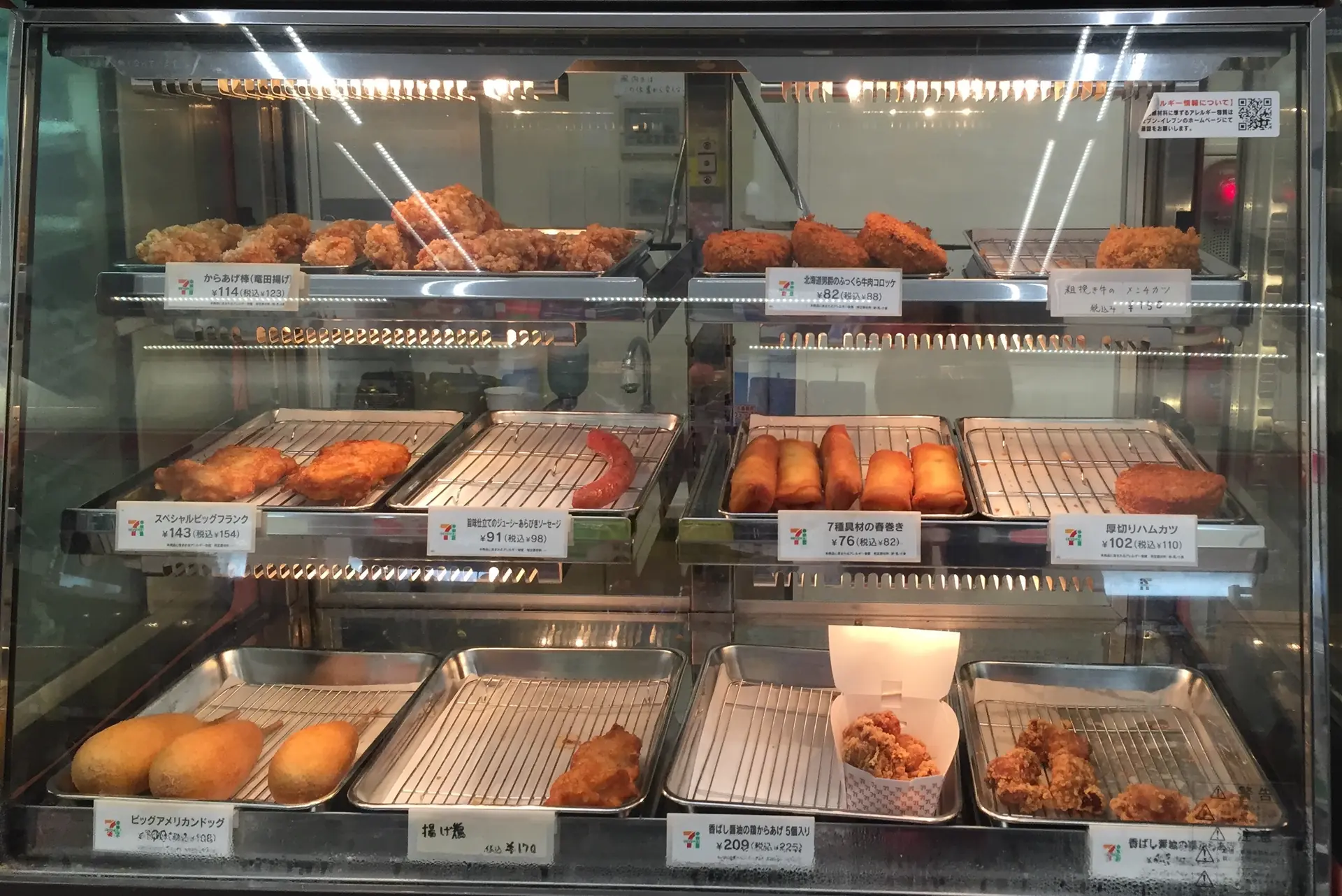
Endless TikToks and Instagram Reels are being made by tourists testing these popular items, among them the iconic 7-Eleven “Tamago Sando” egg sandwich as well as the their strawberry and cream sandwich. Family Mart is known for its “Famichiki” fried chicken and Lawson shines when it comes to bakery and dessert items that are often sold as limited editions. Their sakura and Basque cheesecakes are legendary and taste like something you would get at an upscale bakery instead of a corner store.
In general, the quality of the food at konbinis is surprisingly good compared to what many of us are used to from equivalent establishments in our home countries. You can buy quick and cheap meals like onigiri or salads. The meals are so affordable and delicious that some travellers on tighter budgets end up eating almost exclusively at convenience stores. To really stretch your Yen to the max with this approach, you can go to the konbini for a late dinner because you will find markdowns of 30% or even 50% on the food that has not been sold at that point. Japan has incredibly strict food freshness standards, so it’s still perfectly fine to eat and you will most likely not even notice that it has been sitting on the shelf for a bit.
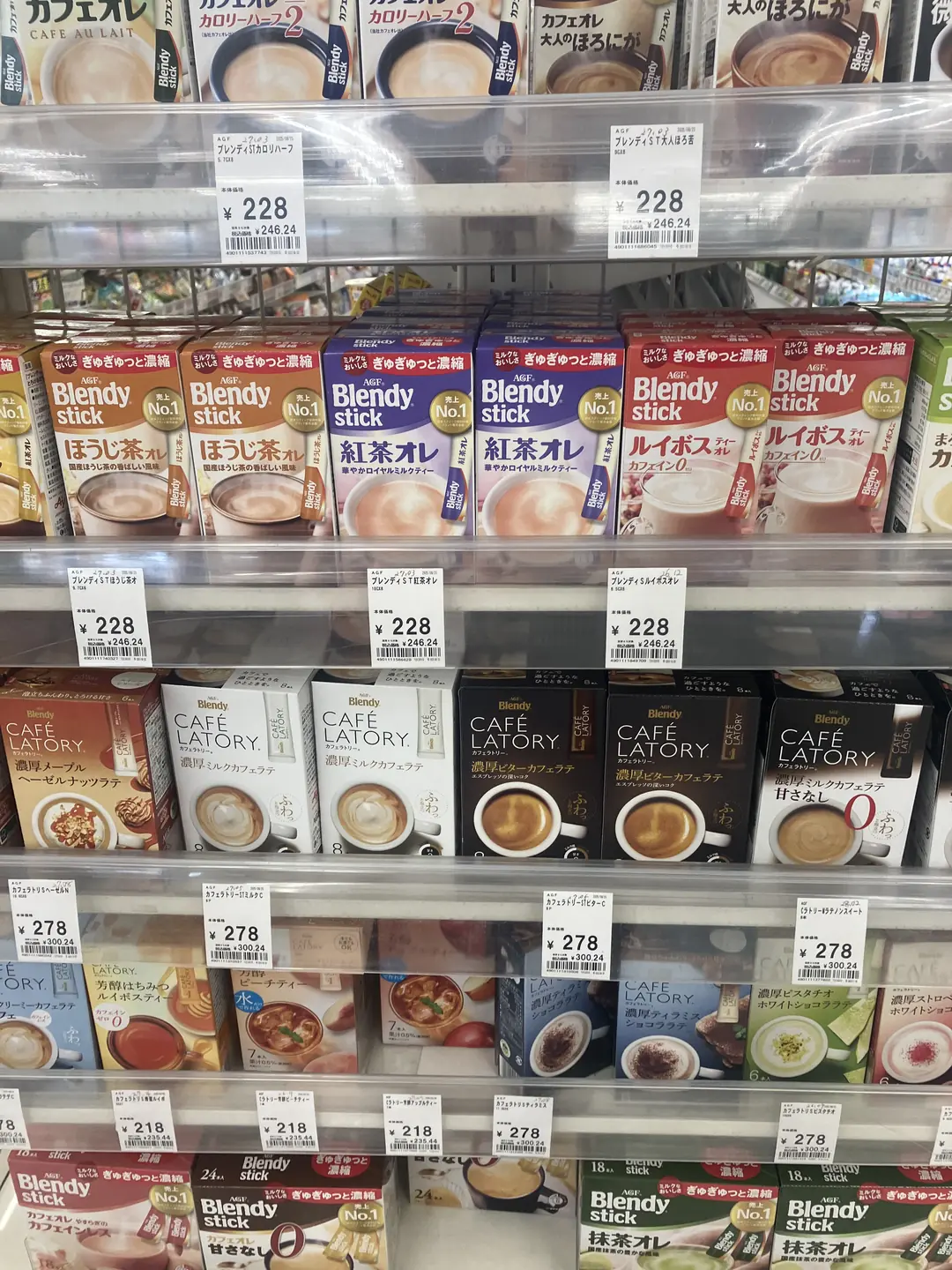
Konbinis offer more than just convenience, they’re also windows into Japanese culture if you observe what is going on. No matter the chain, every convenience store stocks a variety of little brown glass bottles that tourists often get curious about. These are little pick-me-up drinks that combine different vitamins and herbs. One of the main use cases for these is the prevention and curing of hangovers. They are particularly popular with Japanese salarymen, who use them to restore their life force after a work outing the night before. If you are planning on partying in Japan, just grab a bottle of “Ukon no Chikara” (ウコンの力) before you head out for the night and a “Hepalyse” (ヘパリーゼ) after and see for yourself what these little bottles can do.
Another thing that is interesting to observe is how konbinis serve as mini banks and post offices. People can pay their bills and taxes there, withdraw cash, send and pick up packages or buy event tickets. By covering so many necessities, konbinis have become a daily ritual for many Japanese. As a tourist, make sure to visit them at least once on your trip. You will probably leave Japan with memories of juicy chicken, delicious onigiri and delightful cheesecakes you ate with a little plastic spoon.