
Last update: Oct 19, 2026
* We earn a commission from some links on this page.
China Summary
These place ratings give you a quick overview of how well a destination matches different types of trips.
"Best for" scores:
The specific interest scores show where this place really shines – whether it's ideal for hiking, food & drink experiences, museums or other activities. These highlights help you understand what makes the destination special at a glance.
"Your personal" scores:
This reflects how well a place matches your personal preferences. You can adjust the importances of travel topics or other personal requirements categories in your account settings.
"Suited for" badges:
These give you a quick overview of how well a destination suits specific types of travelers, to help you find the places that match your lifestyle, preferences or travel situation.
Suited for
China – Quick facts
| Power Grid: |
220 V, 50 Hz Plug: Type A , Type I
Type A:
  Read about power adapters |
|---|---|
| Currency: |
Chinese Yuan Renminbi (CNY) $1 ≈ CN¥6.67 |
| Cashless info: |
Rating 5/5
Cashless payments are widely accepted in China, particularly in urban areas. Mobile payment services like Alipay and WeChat Pay are commonly used.
Save with a travel credit card |
| eSIM providers: |
Best value: Saily Flexibility: Airalo Read our in-depth comparison |
| Tipping: | Tipping is not customary in China and is not expected, although it may be appreciated in high-end restaurants or by hotel staff for exceptional service. |
|---|---|
| Public drinking: | Public drinking is generally not allowed in many places in China, but it is common in restaurants and bars. |
| Public smoking: | Smoking is prohibited in many indoor public spaces, such as restaurants and public transport, but enforcement can vary. |
| Chinese New Year (January/February) |
Major holiday with family gatherings and public celebrations |
|---|---|
| National Day (October 1) |
National holiday with parades and festivities |
| Emergency contact: | Emergency Numbers: 110 (Police), 120 (Ambulance), 119 (Fire) |
|---|---|
| Taxi apps: | DiDi, Uber |
| Other: | China is known for its vast cultural heritage, including historical landmarks like the Great Wall, the Forbidden City, and the Terracotta Army. It offers diverse landscapes ranging from mountains to beaches. |
Best times to travel
The best times to travel section shows how the months compare for a visit, so you can find the time of year that fits what you want to do.
Background colors of the months:
The color shows the typical temperature: yellow (hot), green (mild) and blue (cold). How strong the color is shows the travel season: full color means high season, soft color means shoulder season and soft-striped means off season.
Weather symbols:
Each month has one symbol showing what the weather is typically like, such as hot and sunny, freezing or a rainy or snowy season. Use them to quickly spot months that match the weather you want, or to avoid the ones that don't.
Crowdedness:
The people icon shows how busy the place usually is. The more people, the more crowded it gets.
Additional notes:
The gray info boxes point out special things worth knowing, like recurring weather issues or seasonal events.
for China, China
Climate and season vary a lot by region: Beijing and Xi'an best in spring and autumn, Guilin and Yunnan mild in spring and autumn, Harbin icy from December to February, tropical south (Hainan, Hong Kong) best from November to March
Chinese New Year (late January to mid February) and Golden Week (October 1 to 7): very crowded, transport and hotels fully booked and prices spike
Typhoon season July to September affects the southeast coast, including Hong Kong and Hainan
Don't miss
- 🏯 Walk the Great Wall of China at sunrise
- 🗿 Marvel at the Terracotta Warriors in Xi’an
- 🚤 Cruise the Li River amid Guilin’s karst peaks
- 🎎 Wander through Beijing’s Forbidden City imperial halls
- 🥟 Taste authentic dim sum and local street dishes
- 🌄 Explore Zhangjiajie’s glass bridge and sandstone pillars
You've been here?
Log in to manage your own bucket list! Why travel to China?
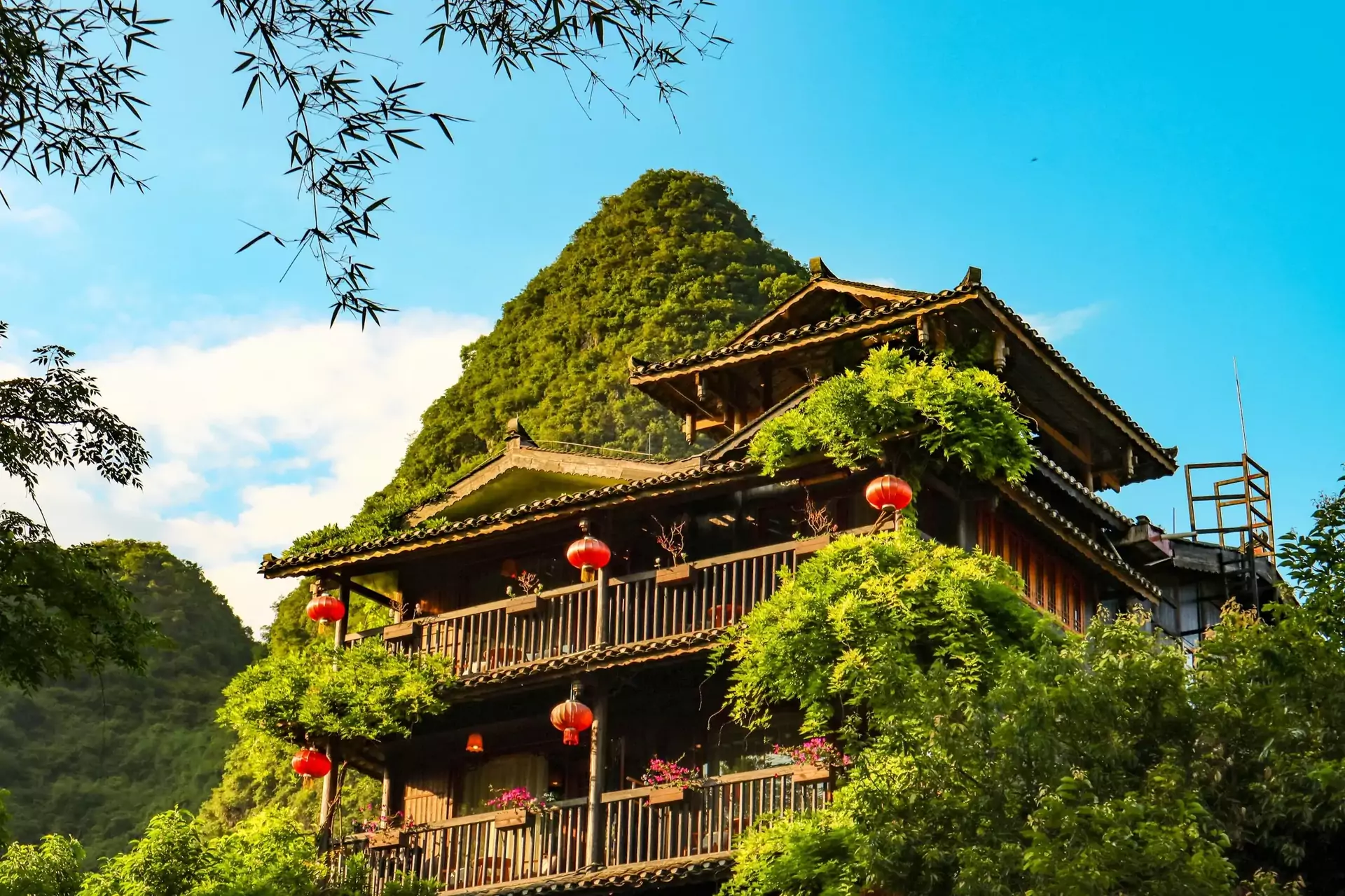
China suits travelers who come for history and scale. Beijing holds the Forbidden City and the Temple of Heaven. Sections of the Great Wall are within a day trip. Xi'an has the Terracotta Army, the buried guard of the First Qin Emperor. Shanghai has a historic waterfront and a futuristic skyline. The country has around 60 properties on the UNESCO World Heritage List, from the Mogao Caves and Potala Palace to the classical gardens of Suzhou and the sandstone pillars of Zhangjiajie. Landscape is also a reason to go. Guilin has limestone peaks along its winding rivers. Chengdu is the place to see giant pandas and linger in teahouses. The west and southwest have mountains and canyons. Food varies enormously between regions, which makes eating itself a reason to travel. Travel is easy in some ways and hard in others. Trains are fast and cities are safe, but signs outside the big sights can be Chinese only and foreign apps and sites are blocked. Cash is rarely used, so set up a phone payment app before you arrive. Ten days to two weeks suits a classic loop of Beijing, Xi'an, Chengdu and Shanghai. Spring and autumn are the most comfortable seasons, while summer brings heat and storms along the coast.
🏯Places worth seeing
🏞️Natural landmarks
🛍️Shopping
🎈Events
-
Spring Festival/Chinese New Year (January 28-February 4, 2025)
-
Tomb Sweeping Festival (April 4-6, 2025)
-
Labor Day Holiday (May 1-5, 2025)
-
Dragon Boat Festival (May 31-June 2, 2025)
-
Mid-Autumn Festival (October 2025)
-
National Day Golden Week (October 1-8, 2025)
-
Harbin Ice and Snow Festival (Winter)
-
Shanghai International Film Festival (June)
-
Beijing International Music Festival (October)
-
Yunnan Torch Festival (June)
Knowledge before you go
- Set up WeChat or Alipay before arrival since cash is rarely used.
- Download a licensed VPN and offline maps before you fly because Google and many foreign apps are blocked.
- Carry your passport on trains and in hotels because it's required for tickets and registration.
- Avoid the early October and Lunar New Year holiday weeks when crowds and prices are at their highest.
How to travel to China
Most international visitors arrive by air at Beijing Capital, Shanghai Pudong, Guangzhou Baiyun or Chengdu Shuangliu. Kunming, Xiamen and Shanghai Hongqiao also handle flights. Hong Kong has its own entry rules and a separate airport. Airports are large and usually connected to the city by metro, airport express train or taxi. By land, trains and buses cross from Hong Kong and neighboring countries such as Vietnam and Laos. Border rules vary by crossing and nationality, so check before you plan an overland route. Many visitors need a visa, which you apply for online and then attend a visa application center in person for fingerprints. Citizens of some countries can enter visa-free for short stays for tourism and business. These rules have been extended before. Check the rules for your passport before you book. Your passport needs six months of validity and two blank pages. Hotels register foreign guests with the police when you check in.
Access summary
- Beijing/Great Wall/Xi’an: Fly to Beijing Capital (PEK) or Daxing (PKX).
- Shanghai/Suzhou/Hangzhou: Fly to Shanghai Pudong (PVG) or Hongqiao (SHA); high-speed trains.
- Guangzhou/Guilin/South China: Fly to Guangzhou Baiyun (CAN); extensive China Southern hub network.
Check your route from anywhere
Where to stay in China
China has hotels at every price level, from hostels and guesthouses to international chains and boutique courtyard houses. Choose the base by city. In Beijing the areas near the Forbidden City and the old lanes known as hutongs are convenient and atmospheric. In Shanghai the former French Concession and the Bund are central and walkable. Xi'an works best inside or near the old city wall, close to the Muslim Quarter and the bell tower. Chengdu has hotels near the central squares and a number of guesthouses near the teahouse neighborhoods. In Guilin and Yangshuo, guesthouses and small hotels are among the karst peaks and have views of the river. Foreign guests must be registered with the police and hotels usually handle this at check-in. Some small budget hotels aren't licensed to take foreign guests, so confirm before you book. Book well ahead for national holidays in early October and around the Lunar New Year, when prices rise and rooms sell out.
Hotel recommendations
*by rating and popularity. Commissions have no influence on the rankings.


How to get around China
China is huge, so the key is choosing the right mode for each leg. High-speed trains link most major cities, flights cover the longest distances and the metro is the easiest way around inside cities.
Trains and flights:
High-speed trains link most major cities and are fast and comfortable. You must show your passport to buy a ticket and to board. Book ahead around public holidays when trains sell out. Domestic flights are useful for very long distances such as Beijing to Chengdu or Kunming.
Metro and taxis:
Inside cities the metro is the easiest way to get around, with signs in English in the big cities. Taxis are cheap. Use marked taxis with a meter, insist on the metered fare and ask for a receipt showing the taxi number. Ride-hailing apps work in cities but often need a local phone number or a payment app.
Payments:
Smartphone payments with WeChat and Alipay are almost universal. Outside major cities foreign cards aren't always accepted and ATMs are limited, so keep some cash.
Car:
You need a Chinese driving licence to drive, so most visitors skip rental cars and hire a driver for day trips such as the Great Wall.
Food in China
Chinese food is a collection of regional cuisines. Dumplings, steamed buns, noodle soups and fried rice are found everywhere. Tea is the main drink and teahouses make a relaxing stop. Street stalls and food courts are cheap, while sit-down restaurants often use round tables for sharing. Tap water isn't safe to drink, so stick with bottled or boiled water and choose busy places with good turnover. Vegetarians can find tofu and vegetable dishes but many sauces contain meat or fish stock. Use translation apps with pictures to order. Don't leave drinks unattended in bars.
Beijing and Xi'an:
Beijing is known for roast duck served with thin pancakes and for hand-pulled noodles. Xi'an is known for noodles, flatbread and spiced lamb from the Muslim Quarter.
Sichuan and Cantonese:
Sichuan food in Chengdu uses chilies and numbing pepper. Hot pot there is a social meal. Cantonese cooking in the south is lighter and includes dim sum, roast meats and seafood.
Budget snapshot
Costs compared to home
We calculate the average costs when traveling to destinations and compare those with the living costs at your home. With this you can get an estimate of how expensive or cheap the destination is for you.
To customize this, you can set up which location and price level are used for the calculations in your account settings.
Daily expenses in China are around 72% lower than the average across United States. That means you'll spend a lot less on meals and getting around.
Exchange rate trend
The exchange rate price factor shows how expensive or cheap a currency currently is compared to its historical average. It's a quick way to see if a country is currently more or less affordable due to exchange rate changes.
Your exchange rate (USD to CNY) is 2% worse than in recent years. That means traveling now costs around the same compared to the past.
Travel costs
To help you plan your trip, we provide estimated daily costs per person (when traveling as a pair) for different travel styles. These numbers give you an idea of what you might spend each day at this destination, including accommodation, food, transport and activities.
Additionally, we also provide average hotel costs for different travel styles to give you an estimate for the accommodation only.
Please note that these are only estimates. The real costs depend on booking times, season and other factors.
Daily cost summary
Travel style categories explained:
Backpacker:
Staying in hostels or budget hotels, cooking your own meals or eating cheap and choosing low-cost activities.
Mid-range:
Staying in mid-range hotels, eating at a mix of restaurants and casual spots and enjoying a variety of activities.
Luxury:
Staying in luxury hotels, dining out at high-end restaurants and enjoying premium experiences without worrying about the price.
| Backpacker | Mid-range | Luxury | |
|---|---|---|---|
| 💵 Total costs per day, including accommodation | |||
| 🏨 Accommodation per night, per person | |||
| 🍝 Food per day | |||
| 🚕 Transportation per day |
Food & Drink
| 🍽️ Restaurant Dinner, per person | |
|---|---|
| 🍛 Lunch Set, per person | |
| 🍟 Fast food combo | |
| 🍝 Preparing your own food, per day | |
| ☕ Cappuccino | |
| 🍺 Beer in a restaurant, 0.5 l / 16 oz |
Transportation
| 🚌 Public transport ticket | |
|---|---|
| 🚕 Taxi Ride, 10 km / 6 mi | |
| ⛽ Gas, 1 l / ¼ gal |
Other
| 🎞️ Movie ticket | |
|---|---|
| 👩⚕️ Doctor's consult | |
| 🤧 Cold medication | |
| 💇 Basic haircut |
Safety information overview
General safety
China is safe from serious street crime but pickpocketing at tourist sites and tea tasting scams are common. Laws are strict on drugs and political activity, so avoid protests and be careful what you post. Use only metered taxis.
Health & Medical
Large cities have good hospitals with English-speaking staff, but treatment is not free and can be expensive. Dengue occurs in the south from May to November and altitude sickness affects parts of the west. Insurance with evacuation cover is essential. Call 120 for an ambulance.
Accessibility
Accessibility varies. Newer metro stations, trains and airports have lifts and step-free routes, but the Great Wall, temples and old towns have steep steps and uneven ground. Pavements can be crowded. Plan routes in advance and consider a driver for day trips.
Tap water
Tap water is generally not safe to drink. Use bottled or boiled water. Hotels often supply kettles or free bottles and bottled water is cheap everywhere. Brush your teeth with bottled water if you have a sensitive stomach.
Packing recommendations for China
Log in to add this place to a travel list and get a summary of all recommended items for your whole trip.
📷
Camera
👟
Comfortable walking shoes
🧼
Hand sanitizer
👛
Cash in small denominations
🔋
Power bank
🩹
Basic first aid kit
📃
Travel insurance
🪪
Copies of passport and important documents
📱
Translation app or phrasebook
🤧
Tissues
🔐
VPN service
📱
Travel eSIM
🔌
Universal power adapter
Type A/C plugs
🩺
Prescription medication
💳
Credit card with no foreign transaction fees
🛂
Passport
Related articles & guides for China



Looking for inspiration?

Discover
Best destinations for first-time travelers
A first trip abroad works best somewhere that eases you in, rather than throwing every possible culture shock and logistical headache at you at once. Some first-time travelers…
Read more

Discover
Top digital nomad destinations and remote work hubs in 2026
Working from anywhere in the world sounds simple until you actually try it, and the best digital nomad destinations look different depending on what kind of remote worker you are.…
Read more

Discover
Best couple vacation destinations
Travelling as a couple sounds simple enough, yet the best couple vacation destinations mean something different to almost every pair. What feels romantic to one couple can feel…
Read more

Discover
Top street food cities and local culinary markets
The best street food destinations treat the cart, stall, or hawker counter as a serious culinary format rather than a budget substitute for a real meal. In cities with strong…
Read more

Discover
Best travel destinations for seniors
Senior travel covers a wide range, from slow, low effort trips built around comfort to more independent trips for travelers who still want to cover plenty of ground. Some…
Read more

Discover
Top historical destinations and historic sites
The most compelling history destinations are places where the past is still physically present and legible in the landscape, the architecture and the daily life of the people who…
Read more
Discover
Top city skylines and iconic cityscapes
The world's most compelling urban skylines are the product of specific economic and geographic conditions, where rapid development, constrained land and concentrated wealth have…
Read more
Discover
Best destinations for first-time travelers in Asia
Asia has one of the best established beginner travel routes anywhere, largely because so many first time travelers have worn the path before you. Southeast Asia in particular…
Read more
Discover
Best market destinations and street shopping
Markets are one of the most direct ways into the everyday life of a place. Where supermarkets and shopping centers smooth over local difference, a good market reflects the climate,…
Read more

Discover
Top digital nomad destinations and remote work hubs in Asia
Asia has quietly become one of the most popular continents for remote work, and it is easy to see why once you look past the obvious hubs. Some remote workers gravitate toward…
Read more
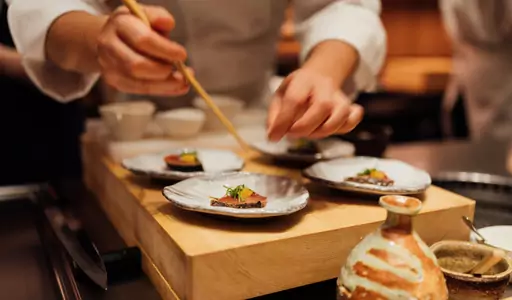
Discover
Top food destinations and culinary hotspots
Food travel has matured into a sophisticated circuit built around the world's great culinary traditions, restaurant destinations and producer landscapes that offer experiences…
Read more

Discover
Best couple vacation destinations in Asia
Asia is perfect for couples who want their holiday to feel like a shared adventure rather than just a change of scenery. Few continents offer so many ways to be amazed together.…
Read more
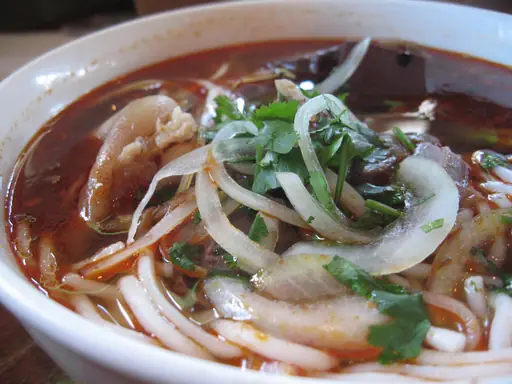
Discover
Best street food destinations in Asia
Walk through almost any city in Asia after dark and the real dinner rush is often happening on the sidewalk rather than inside a restaurant. Southeast Asia has some of the…
Read more
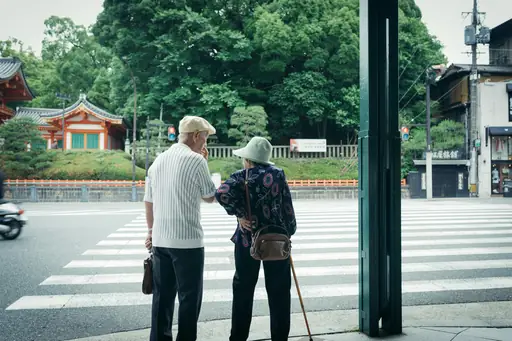
Discover
Best travel destinations for seniors in Asia
Asia offers some of the most senior friendly infrastructure anywhere, alongside destinations that still call for a bit more independence and stamina. Japan in particular stands…
Read more

Discover
World cities and iconic metropolises
The world's great cities earn that status through a combination of cultural depth, historical layering, architectural ambition and the particular energy that comes from being a…
Read more
What other users say about travelfilters
“travelfilters made it easy for me to find ski areas and compare what else they offer, so that I could find the best place for my personal travel style.”

Chris
Snowboarding & Onsen trip to Japan
“I love how transparent the data feels. There is no pushy upsell, just honest information and settings I can tune to my own travel style.”

Maria
After booking her 2027 winter escape
“The level of detail for each destination and how well those are displayed, make planning feel confident instead of overwhelming.”

Mina
Planned a week in New York City
“We used travelfilters for our planning from start to end. The trip turned out even better than expected, thanks to all their tools and customization options.”

Allan & Etienne
Trip to Japan to see autumn foliage
“Thanks to travelfilters, I found some hidden gems to see. Being able to filter for exactly your interests is a game changer for my travel planning.”

Michael
Tour through the old cities of Northern Italy
“The customizable filters helped me find a quiet beach town with good wifi and low season crowds in under five minutes.”

Diego
Weekend Escape to Llanes, Spain
“The airport connection map saved me hours by showing good flight options from my home airport to lesser-known cities.”

Nguyen
Planning a 2027 trip to France
“The website is clean, fast and focused on the search itself, which makes travelfilters feel more like a professional tool than an ad-heavy booking site.”

Hassan
Christmas Market trip, Germany
